
Amtrak Reopens First East River Tunnel After 15-Month Repair, MTA Criticizes Service Cuts
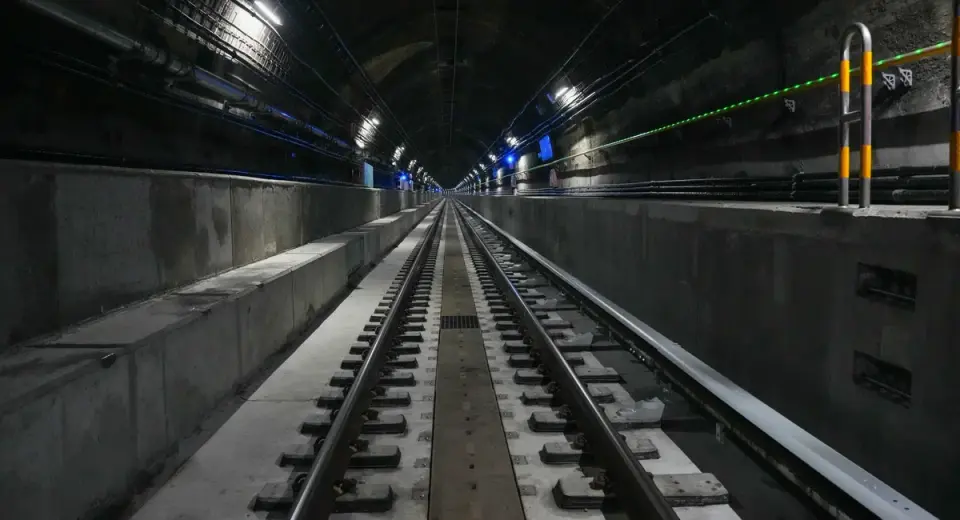
Amtrak has completed the first phase of its East River tunnel rehabilitation, reopening Line 2 to service after a 15-month closure. While the project addresses damage from 2012’s Superstorm Sandy, MTA officials criticize the full shutdown approach for causing significant delays and crowding for Long Island Rail Road commuters.
Key points
- Amtrak reopened Line 2 of the East River Tunnel on August 17, 2026, after a 15-month rehabilitation that began in May 2025.
- The project involves fully stripping the tunnel down to its concrete liner and rebuilding tracks, drainage, and power systems to last another 100 years.
- MTA Chair Janno Lieber criticized Amtrak for shutting down the tunnel entirely, arguing it forced a 20% reduction in peak-hour LIRR service into Penn Station.
- Amtrak officials rejected the MTA’s suggestion to work only on nights and weekends, stating such an approach would have taken years and caused greater overall disruption.
- The second damaged tunnel, Line 1, is scheduled to close later this fall for similar repairs, with the entire project expected to finish by the end of 2027.
Background
The East River Tunnel, originally opened in 1910, carries over 450 trains daily for Amtrak, LIRR, and NJ Transit. Two of its four tubes were severely damaged by saltwater intrusion during Superstorm Sandy in 2012. Previous attempts to repair the tunnels were delayed by disputes between Amtrak and the MTA over responsibility and methodology. This project is part of a broader infrastructure resilience effort, following recent successful transit operations during the 2026 World Cup.
How outlets are covering it
Gothamist and amNewYork highlight the tension between Amtrak and the MTA, noting that MTA Chair Janno Lieber publicly criticized Amtrak for the 20% reduction in LIRR peak-hour service and increased crowding at Penn Station. Conversely, Amtrak’s VP Warren LeBeau argued that a 'repair in place' approach would have taken years and caused significantly more impact on riders. Newsday provides the financial context, noting the $1.6 billion total cost, with $1.3 billion coming from federal funds, and emphasizes that Amtrak found worse damage than expected, validating the full shutdown strategy. Time Out focuses on the technical scope of the rebuild, detailing the removal of 24,000 feet of rail and the installation of new direct-fixation track and drainage systems.
Why it matters
The completion of this first phase is a critical milestone for New York’s transit infrastructure, ensuring the long-term reliability of a corridor used by hundreds of thousands of commuters daily. The conflict between Amtrak and the MTA over repair methods sets a precedent for how future major infrastructure projects will be managed, balancing immediate service continuity against long-term structural integrity. The upcoming closure of Line 1 will test whether the lessons learned from this first phase can reduce disruptions for riders.
What to watch
Amtrak plans to begin work on Line 1 later this fall, with the tunnel expected to close for approximately 13 months. The entire East River Tunnel rehabilitation project is scheduled to be completed by the end of 2027. Amtrak officials are currently evaluating how lessons learned from the first phase, such as more efficient demolition and concrete pouring techniques, can be applied to shorten the timeline and minimize service disruptions for the second tunnel.
- Amtrak wraps first part of East River tunnel rehab, MTA says work strained LIRR service Gothamist
- MTA boss slams Amtrak over its East River Tunnel project he says snarled LIRR service as first phase of work is completed amNewYork
- This major transit tube connecting Penn Station and Long Island is finally open after a year of construction Time Out Worldwide
- Long Island Rail Road trains ready for return to rebuilt East River tunnel newsday.com
- Amtrak reopens East River Tunnel line damaged by Superstorm Sandy, easing Penn Station bottleneck ABC7 New York
Want the full story? Read the original reporting
Read on Gothamist