
Tesla Exhausts California’s New EV Rebate Fund in Five Days Despite Price Caps
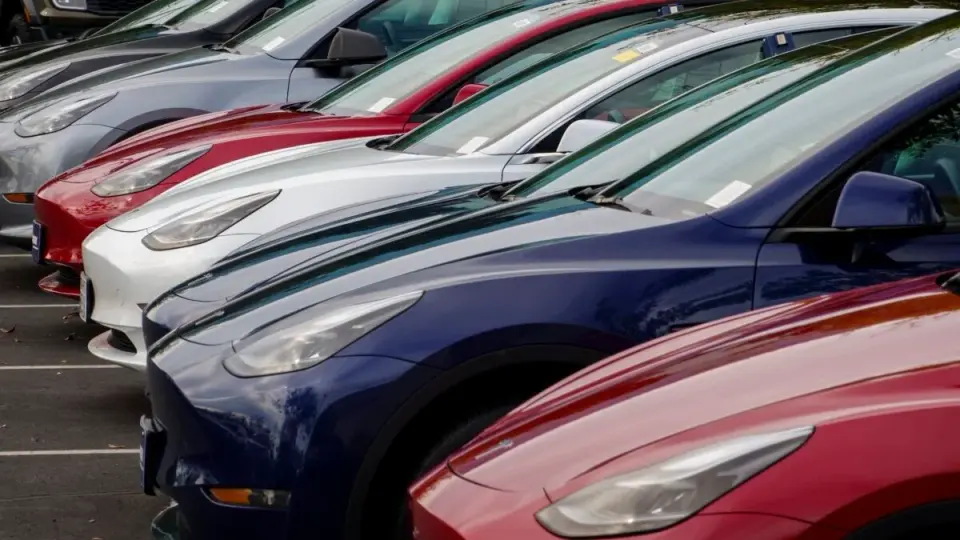
California’s new MyFirstEV program, offering $3,500 instant rebates for first-time electric vehicle buyers, saw its Tesla allocation depleted within five days of launch. This rapid exhaustion occurred despite national EV sales declining and Tesla facing a disadvantage due to price caps that exempt California-headquartered competitors. The state invested $135.5 million, matched by automakers, to create $271 million in total incentives, aiming to counter the loss of federal subsidies and maintain California’s lead in clean energy adoption.
Key points
- Tesla’s share of the MyFirstEV rebate fund was exhausted between August 3 and August 8, 2026, according to the California Air Resources Board.
- The program offers $3,500 for new EVs under $50,000 and $1,750 for used EVs under $25,000, with no application required at the point of sale.
- California-based automakers like Rivian and Lucid are exempt from the $50,000 price cap, giving them an advantage over Tesla, which moved its headquarters to Texas in 2021.
- Despite national EV sales dropping 28% year-over-year in June, Tesla registered 45,953 vehicles in California in Q2 2026, accounting for 57% of state zero-emission vehicle registrations.
- The state’s $135.5 million investment is matched dollar-for-dollar by participating automakers, totaling $271 million in incentives, with additional brands like Ford and Toyota joining later in 2026.
Background
This development follows the expiration of the $7,500 federal EV tax credit in September 2025, which prompted California to launch MyFirstEV as a state-level response. Earlier coverage noted that the program was designed to target first-time buyers to maximize new adoption, with low-income residents eligible for additional savings through the Clean Cars 4 All program. The rapid depletion of Tesla’s funds highlights persistent demand for the brand in California despite broader national market struggles and regulatory shifts.
How outlets are covering it
Gizmodo and InsideEVs emphasize the speed at which Tesla’s rebate share was exhausted, noting that this occurred despite the brand’s disadvantage under the price cap rules. CalMatters and the California State Portal focus on the program’s mechanics, highlighting the instant nature of the rebate and the equal division of funds among automakers, while noting that demand disparities may cause some brands to run out faster. ABC7 Los Angeles frames the initiative as a political counter to federal policy, quoting Governor Newsom’s criticism of the Trump administration, while also noting consumer concerns about charging infrastructure. All sources agree on the core facts of the program’s structure and Tesla’s rapid depletion of its allocation, but differ in emphasis: some highlight the economic impact, others the political symbolism, and others the practical accessibility for consumers.
Why it matters
The rapid exhaustion of Tesla’s rebate share signals strong consumer demand for electric vehicles in California despite national declines and the loss of federal incentives. It underscores the effectiveness of state-level policies in sustaining EV adoption and highlights competitive dynamics among automakers, particularly regarding price caps and headquarters location. The program’s success may influence future state and federal clean energy policies and could accelerate the transition to zero-emission vehicles in California, impacting air quality, energy infrastructure, and the broader clean energy economy.
What to watch
Additional automakers, including Ford, Rivian, Chevrolet, Kia, Toyota, Honda, and Subaru, are expected to launch their MyFirstEV rebates in the coming months, with Nissan and Volvo still determining timelines. The California Air Resources Board will monitor the remaining funds and may adjust allocations or extend the program if demand persists. Consumers should check with participating dealerships for availability, as funds are divided equally among automakers and may run out at some brands faster than others. The state may also evaluate the program’s impact on EV adoption and air quality to inform future clean energy initiatives.
- Tesla Buyers Blow Through California’s New EV Rebates in Just 5 Days Gizmodo
- How does California’s new $3,500 EV rebate work? CalMatters
- Governor Newsom announces $3,500 instant rebates now available for Californians buying their first zero-emission vehicle California State Portal | CA.gov
- California offers new tax credit worth up to $3,500 for drivers who switch to electric vehicles ABC7 Los Angeles
- Status Update: California’s ZEV rebate starts with 3 automakers, more to come Orange County Register
Want the full story? Read the original reporting
Read on Gizmodo