
United Airlines Launches Aggressive Status Match Campaign to Poach Delta and American Elites
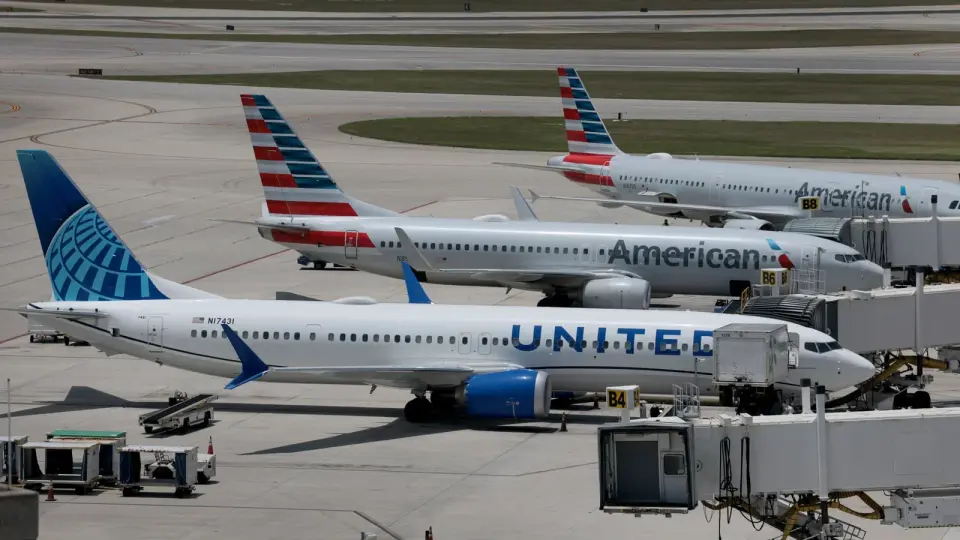
United Airlines is aggressively targeting elite frequent flyers from Delta and American with a new status match program tied to its Starlink Wi-Fi rollout. The offer, open until October 15, grants temporary United status to rivals' elite members who spend between $1,500 and $7,000 on United flights within 90 days. This move highlights intensifying competition among the Big Three US airlines for high-spending customers, with United leveraging its early adoption of satellite internet as a key differentiator against Delta's upcoming Amazon Leo service.
Key points
- United offers status matches for Delta Silver/Gold and American Gold/Platinum tiers, requiring spending of $1,500 to $7,000 within 90 days to retain status through January 2028.
- The campaign explicitly markets United's Starlink Wi-Fi, with slogans like 'Don't keep buffering: switch to United,' targeting Delta customers frustrated by slower connectivity.
- Elon Musk publicly supported United and American's Starlink adoption on X, criticizing Delta's choice of Amazon Leo and joking about Delta CEO Ed Bastian's job security.
- American Airlines launched a similar status match for Southwest, JetBlue, Delta, and United members, with registrations tripling after the announcement.
- Delta counters by emphasizing its existing free Wi-Fi on nearly 1,300 aircraft and upcoming Amazon Leo integration, claiming superior bandwidth and lower costs than Starlink.
Background
This escalation follows a summer of competitive upgrades, including American's 2026 announcement to add seatback screens and Starlink to 500 planes by 2028. Recent incidents, such as FAA probes into tire failures at Chicago O'Hare and viral passenger complaints, have heightened scrutiny of airline service quality, making connectivity a critical differentiator for elite travelers.
How outlets are covering it
CNBC and Skift emphasize United's 'blatant' and 'unusually pointed' marketing strategy, noting the rarity of such direct rival targeting. Business Insider highlights Elon Musk's active involvement, including his X posts mocking Delta's Wi-Fi choice and supporting United's Starlink rollout. TravelPulse focuses on United's reported 40-point increase in customer satisfaction scores due to Starlink, framing the status match as a reward for loyalty rather than just a poaching tactic. Delta's spokesperson counters by asserting its current Wi-Fi network is the fastest and most extensive in the US, while American's spokeswoman points to the surge in status match registrations as proof of the competitive pressure.
Why it matters
The battle for elite frequent flyers is intensifying as airlines compete for high-spending customers with premium amenities and connectivity. United's aggressive status match, tied to Starlink, signals a shift toward technology-driven loyalty strategies. If successful, this could reshape loyalty program economics and force Delta and American to accelerate their own connectivity upgrades, potentially impacting ticket pricing and service standards across the industry.
What to watch
Travelers with elite status at Delta or American should monitor the October 15 deadline for United's status match offer. Delta is expected to begin installing Amazon Leo on 500 aircraft in 2028, while American plans to roll out Starlink on narrow-body planes next year. Analysts will watch whether United's satisfaction gains translate into long-term loyalty shifts or if Delta's bandwidth advantages retain its high-value corporate clients.
- United Airlines goes after top frequent flyers at Delta, American with status match CNBC
- United is betting faster WiFi can convince loyal Delta customers to switch airlines businessinsider.com
- No Starlink? United Airlines Targets Rivals With Status Match Offer Skift
- United Airlines' Starlink Wi-Fi Success Prompts Status Match for Other Airline Members TravelPulse
- Starlink vs. Delta: 5 Details Behind United's Status Match Play BASENOR
Want the full story? Read the original reporting
Read on CNBC