
Delta restores weight system after Thanksgiving delays
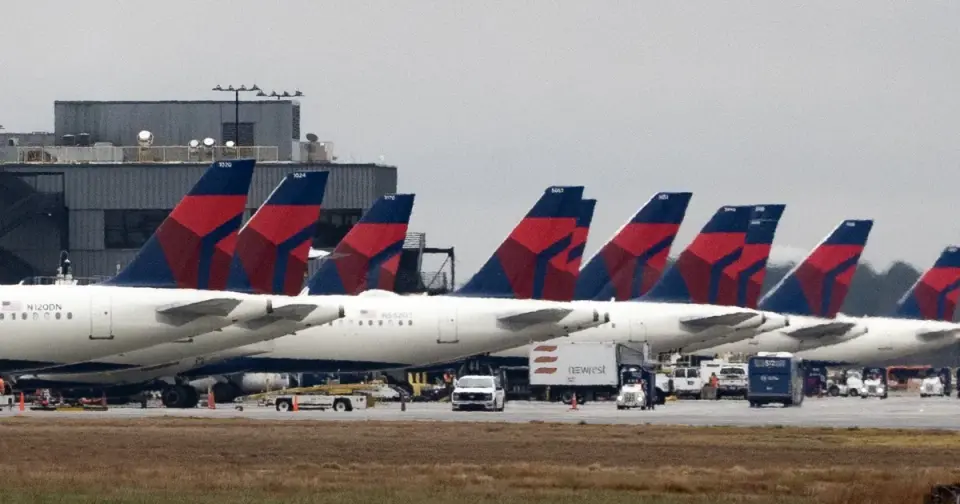
Delta Air Lines restored its automated weight-and-balance system on Sunday afternoon, resolving a nationwide disruption that delayed over 1,100 flights into and out of its Atlanta hub. The outage, which began during the peak of Thanksgiving travel, forced the airline to use manual workarounds for pre-flight calculations. While the Federal Aviation Administration (FAA) briefly halted inbound flights, the issue was isolated to Delta’s internal systems and did not affect broader airport operations. Passengers faced significant delays, with some flights canceled, though the airline provided rebooking, meals, and hotel accommodations where necessary.
Key points
- Delta restored its Automated Load Instruction System (ALIS) by Sunday afternoon, ending a nationwide disruption that began during Thanksgiving travel.
- By 4 p.m. ET, more than 1,100 flights into and out of Hartsfield-Jackson Atlanta International Airport were delayed, with 36 canceled, according to FlightAware.
- The FAA issued a ground stop for Delta flights into Atlanta, later downgrading it to a ground delay program that ended at 11:26 a.m. ET.
- Delta attributed 70% of the delays to the automation failure, with the remainder caused by weather and air traffic control restrictions in the Northeast.
- The airline used manual workarounds to calculate aircraft weight and balance, a critical safety step, while engineers restored the system.
- Delta canceled 202 flights, or 4% of its U.S. departures, with only 50% of flights arriving on time, according to Cirium.
Background
This incident occurred during the peak of the Thanksgiving travel period, when over four million passengers are expected to pass through Atlanta, the world’s busiest airport. It follows a nationwide ground stop on November 13 caused by a technical issue with the FAA’s air traffic control network, which was attributed to an outdated copper wire. A separate system outage affected United Airlines on November 16, disrupting crew communications and weight data, though that incident was resolved the same day. The recurring nature of these disruptions highlights ongoing infrastructure vulnerabilities in the aviation sector.
How outlets are covering it
NBC News and CNN both reported on the Delta system failure, but emphasized different aspects. NBC News focused on the scale of the disruption, noting that 70% of delays were tied to the automation issue, while attributing the rest to weather and air traffic control restrictions. CNN highlighted the manual workarounds used by Delta crews, including a radio call where a ramp worker described manually counting bags due to the lack of automated worksheets. Both outlets agreed that the FAA’s ground delay program was limited to Delta flights and did not affect broader airport operations. However, NBC News cited FlightAware data showing 1,100 delayed flights, while CNN referenced FlightAware data showing over 400 delayed flights, with 45% of Delta’s flights delayed by 2 p.m. ET. The discrepancy in numbers may reflect different timeframes or data sources, but both outlets confirmed the significant impact on Thanksgiving travel.
Why it matters
The Delta system failure underscores the fragility of aviation infrastructure during peak travel periods. The reliance on automated systems for critical safety functions, such as weight and balance calculations, means that even a single failure can cascade into widespread delays and cancellations. The incident also highlights the need for robust manual workarounds and clear communication between airlines, the FAA, and passengers. As the aviation industry continues to modernize, ensuring the resilience of these systems is crucial to maintaining safety and reliability, especially during high-demand periods like Thanksgiving.
What to watch
Delta has restored its automated system and is rebooking passengers, providing meals and hotel rooms where needed. Passengers whose flights were canceled can opt for a refund. The airline is expected to continue monitoring its systems to prevent similar disruptions in the future. The FAA and other aviation authorities may review the incident to identify potential improvements in infrastructure and emergency response protocols. Travelers are advised to check their flight status with their airline and arrive early at the airport, as recommended by Hartsfield-Jackson.
- Delta restores system after nationwide flight delays as Thanksgiving travel begins NBC News
- Delta Air Lines says system issue that delayed flights nationwide has been resolved CNN
- Delta sees flight delays as Americans travel for Thanksgiving Pittsburgh Post-Gazette
- Delta Resolves Automation Outage that Led to Over 1,000 Flight Delays WSJ
- Delta Delays Flights as Thanksgiving Travel Begins, After Automated System Falters The New York Times
Want the full story? Read the original reporting
Read on NBC News