
Greece's 'Vomit Comet' Ferries: Meltemi Winds Turn Island Hopping into a Nausea Nightmare
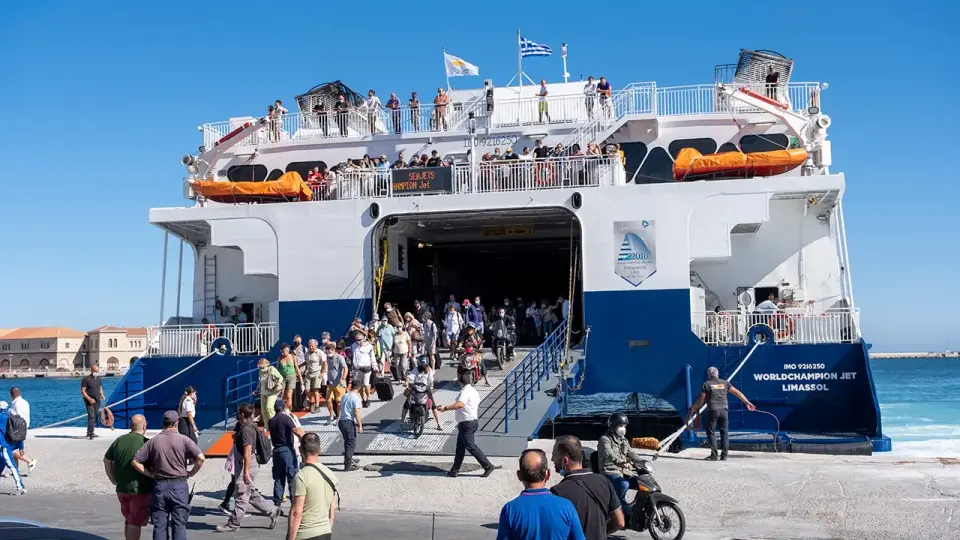
Tourists island-hopping in Greece are reporting severe seasickness on high-speed ferries, dubbed the 'vomit comet' on social media. The issue stems from the combination of fast speeds (up to 58 mph), smaller vessels, and the seasonal Meltemi winds churning the Aegean Sea. While travel experts note that such rough conditions are not new, a 21% surge in tourism has amplified the visibility of these incidents. Experts advise travelers prone to motion sickness to fly between islands or choose larger, slower ferries.
Key points
- High-speed ferries in the Cyclades reach speeds of 40-50 knots (46-58 mph), making them more susceptible to rough seas than conventional vessels.
- Seasonal Meltemi winds create choppy conditions in the Aegean, leading to violent rocking and widespread seasickness among passengers.
- Social media has amplified reports of these 'vomit comet' experiences, though travel experts argue the phenomenon is not new but more visible due to a 21% increase in tourism.
- Travel advisors recommend flying to islands like Santorini and Mykonos or opting for larger, slower ferries to avoid motion sickness.
Background
This story follows earlier coverage from August 2026 regarding the 'vomit comet' nickname for Greek high-speed ferries. The current reports highlight the ongoing impact of Meltemi winds on the Cyclades, a region that saw a 21% rise in tourism from January to May 2026 compared to the previous year. Santorini alone drew 3.4 million visitors in 2023, illustrating the high volume of travelers exposed to these conditions.
How outlets are covering it
Fox News and the New York Post both highlight the 'vomit comet' nickname and the role of social media in amplifying these experiences. Fox News cites travel expert Mina Agnos, who argues that while the issue is real, it is being blown out of proportion online and is not a new phenomenon. The New York Post focuses on specific passenger accounts, such as a mother whose children turned green from seasickness, and emphasizes the combination of speed and small vessel size. Yahoo News UK's source was inaccessible, but the available sources agree on the core issue: the intersection of high-speed travel, seasonal winds, and increased tourist numbers.
Why it matters
As tourism to Greece continues to grow, the experience of high-speed ferry travel is becoming a significant factor in trip planning. For travelers prone to motion sickness, the 'vomit comet' phenomenon can ruin a vacation, leading to a shift in travel preferences toward air travel or slower, larger ferries. This highlights the need for better communication and preparation for potential rough seas in the Aegean.
What to watch
Travelers planning trips to the Greek islands should be aware of the potential for rough seas, especially during the summer months when Meltemi winds are prevalent. Experts recommend choosing larger ferries or flying between islands to avoid motion sickness. Ferry companies may also need to consider passenger comfort and safety in their operations.
- Vacation nightmare unfolds as ferry passengers battle seasickness at island hot spot Fox News
- Everyone Dreams of Island-Hopping Through Greece—Until They Board the ‘Vomit Comet’ WSJ
- Ferry at popular island hotspot dubbed ‘the vomit comet’ as tourists battle brutal seasickness in rough weather New York Post
- Greece travel expert addresses reports of extremely harrowing ferry rides Yahoo News UK
Want the full story? Read the original reporting
Read on Fox News