
Dublin Test: Why 'Tiny Tourism' Fails to Replace Classic Sightseeing
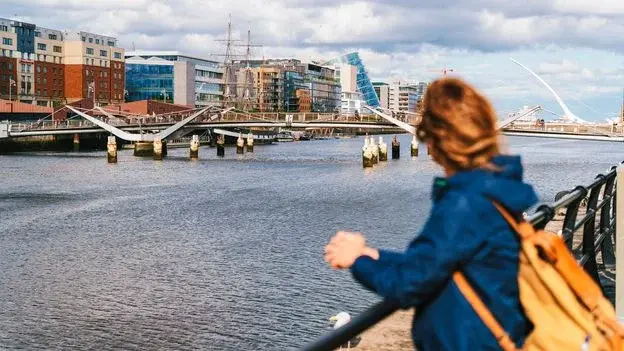
BBC travel writer Laura Hall tested the 'Tiny Tourism' concept in Dublin, which advocates skipping major landmarks for mundane local activities like supermarket shopping and thrift browsing. While the approach offered unique cultural insights and avoided crowds, Hall found it insufficient as a standalone strategy, concluding that a hybrid 'Medium Tourism' model is necessary to balance local immersion with iconic historical sites.
Key points
- Tiny Tourism, coined by UK platform It's Nice That, encourages travelers to ignore viral hotspots and engage in everyday local routines such as grocery shopping or visiting pharmacies.
- The concept aims to combat overtourism and the 'Disneyfied' nature of mass tourism by focusing on hyper-local, unreplicable experiences rather than bucket-list items.
- In Dublin, Hall and her daughter visited supermarkets, second-hand shops, and the Forty Foot swimming spot, finding these activities engaging and community-oriented.
- However, the strategy failed when local recommendations led to closed venues, and Hall ultimately visited major sights like Temple Bar and Trinity College, feeling the trip was incomplete without them.
- Hall proposes 'Medium Tourism' as a compromise, suggesting travelers visit major attractions but also dedicate time to observing local details and off-beat charm.
Background
The trend aligns with broader shifts in travel behavior, such as the growing popularity of visiting foreign supermarkets and convenience stores, as noted in Opodo's 2026 Traveller Hacks poll. It reflects a long-standing desire for authentic experiences that contrasts with the increasing commercialization and overcrowding of traditional tourist destinations.
Why it matters
As destinations worldwide struggle with overtourism, alternative travel philosophies like Tiny Tourism offer a potential solution to reduce pressure on iconic sites. However, the Dublin experiment highlights the risk of excluding major cultural landmarks, suggesting that a balanced approach may be more sustainable and satisfying for travelers seeking both authenticity and historical context.
What to watch
Travelers may increasingly adopt hybrid strategies, combining visits to major landmarks with intentional local immersion. The success of 'Medium Tourism' could influence how travel platforms and guides structure itineraries in 2027, moving away from purely spectacle-based or purely niche-focused recommendations.
Want the full story? Read the original reporting
Read on BBC