
Young Americans Trade New SUVs for Affordable Y2K Cars Amid Rising Costs
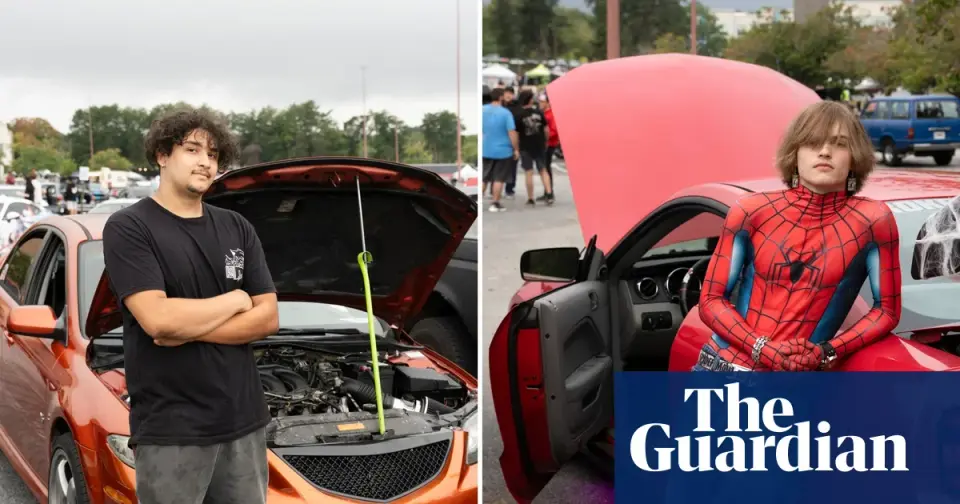
Young Americans are increasingly buying late-1990s and early-2000s vehicles, known as Y2K cars, due to the prohibitive cost of new cars and high loan payments. These older models, such as Honda Accords and Toyota Camrys, are valued for their reliability, low purchase prices, and ease of DIY repair. While new vehicles average over $50,000, Y2K cars can often be bought for cash, allowing young buyers to avoid long-term debt. This trend reflects a broader shift away from modern SUVs and pickups, driven by financial constraints and a preference for simpler, less complex technology. However, experts warn that older cars lack modern safety features and may suffer from rust or other age-related issues, despite their perceived durability.
Key points
- The average new vehicle in the US costs over $50,000, with monthly payments averaging $765, making new cars unaffordable for many under 35.
- Adults under 35 account for less than 10% of new vehicle registrations in 2024, a historic low, as they turn to used Y2K cars instead.
- Y2K cars, such as Honda Accords and Toyota Camrys, are prized for their reliability, low insurance costs, and ability to be repaired without specialized tools or software.
- The supply of used vehicles priced under $15,000 has shrunk from 21% to 15% of inventory in one year, indicating high demand for affordable options.
- Modern cars often require proprietary software and tools for diagnostics, discouraging DIY repairs, whereas Y2K cars allow owners to fix issues independently.
- Critics note that older cars lack modern safety features like blind-spot monitoring and are more susceptible to rust, despite their reputation for durability.
Background
This trend follows a broader shift in the US automotive market where rising costs and complex technology have alienated younger buyers. Previous coverage highlighted the growing influence of non-American V8 icons and the cultural significance of classic cars, but the current focus is on the economic and practical reasons behind the resurgence of Y2K vehicles among young Americans.
Why it matters
The shift toward Y2K cars highlights the financial strain on young Americans and the disconnect between modern automotive technology and consumer affordability. It underscores the importance of accessible, reliable transportation for economic mobility and independence, while also raising concerns about the safety trade-offs of older vehicles.
What to watch
The availability of affordable used cars may continue to dwindle as demand rises, potentially pushing prices up. Automakers may need to address affordability concerns by offering more budget-friendly options with simpler technology, while consumers may increasingly prioritize DIY repairability and low maintenance costs in their purchasing decisions.
Want the full story? Read the original reporting
Read on The Guardian