
Petrobras Confirms Hydrocarbons in Amazon Offshore, Igniting Political and Environmental Debate
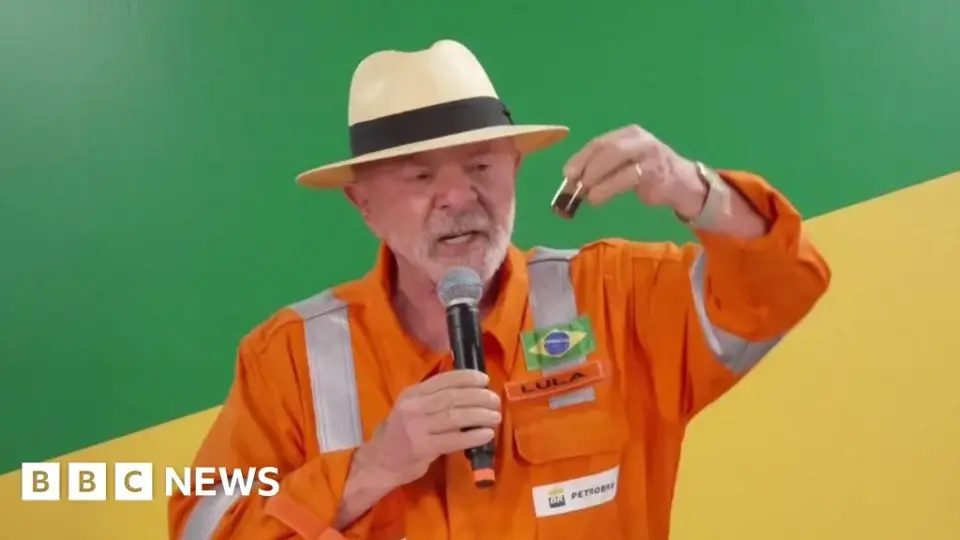
Petrobras has confirmed the presence of hydrocarbons in a deepwater well offshore Amapá, Brazil, near the Amazon River. President Lula da Silva hailed the find as vital for national sovereignty and energy security, while environmentalists warn of catastrophic ecological risks. The discovery adds a new dimension to the upcoming October presidential election, where Lula must balance economic development promises with his commitment to renewable energy.
Key points
- Petrobras confirmed hydrocarbons in the Morpho-1 well, located 175 km offshore Amapá in 2,886 meters of water.
- President Lula da Silva called the discovery a 'passport to the country's future' and defended the drilling against foreign criticism.
- Environmentalists warn that spills could devastate the biodiverse Equatorial Margin and coastal wetlands.
- Petrobras plans to invest $2.5 billion in the region through 2030, including 15 new exploration wells.
- The discovery occurs less than two months before Brazil's presidential election, where Lula is running for re-election.
Background
This development follows Lula's decision to authorize exploratory drilling in the Brazilian Equatorial Margin just before the COP30 climate conference in November 2025. Recent polls show Lula and his rival, Flavio Bolsonaro, in a tight race, with Lula emphasizing national sovereignty and economic development to attract voters in remote regions like Amapá.
How outlets are covering it
BBC and AP News highlight Lula's political framing of the discovery as a matter of national sovereignty and energy security, noting his rejection of foreign interference. JPT and Offshore Magazine focus on the technical and commercial aspects, detailing Petrobras's $2.5 billion investment plan and the strategic importance of the Equatorial Margin as a successor to the pre-salt basins. Environmentalists, cited by BBC, express deep concern over the potential for oil spills to damage the region's biodiversity and coastal ecosystems, a risk that was a major point of contention when drilling was first approved.
Why it matters
The discovery could significantly impact Brazil's energy landscape and political dynamics. For Lula, it offers a tangible economic achievement to bolster his re-election campaign, particularly in the north. For environmentalists, it represents a major threat to one of the world's most biodiverse regions. The outcome of the October election will likely determine the pace and scale of future exploration in the Equatorial Margin.
What to watch
Petrobras will continue drilling and laboratory analysis to determine the size, quality, and commercial viability of the discovery. The company plans to drill 15 additional wells in the region by 2030. The October presidential election will be a key moment, as the winner's stance on fossil fuels versus renewables will shape Brazil's energy policy for the next four years.
- Brazil's President Lula hails oil discovery near Amazon river bbc.com
- Lula calls oil near the Amazon River a passport to Brazil's future after Petrobras strikes new find AP News
- Petrobras Strikes Hydrocarbons at Controversial Amazon Well Bloomberg
- Petrobras Confirms Hydrocarbons at Closely Watched Equatorial Margin Project JPT Homepage
- Petrobras discovers hydrocarbons at Morpho prospect in Brazil's Foz do Amazonas Basin Offshore Magazine
Want the full story? Read the original reporting
Read on bbc.com