
US Pressures Europe for Diesel Reserves Amid Export Ban Threat
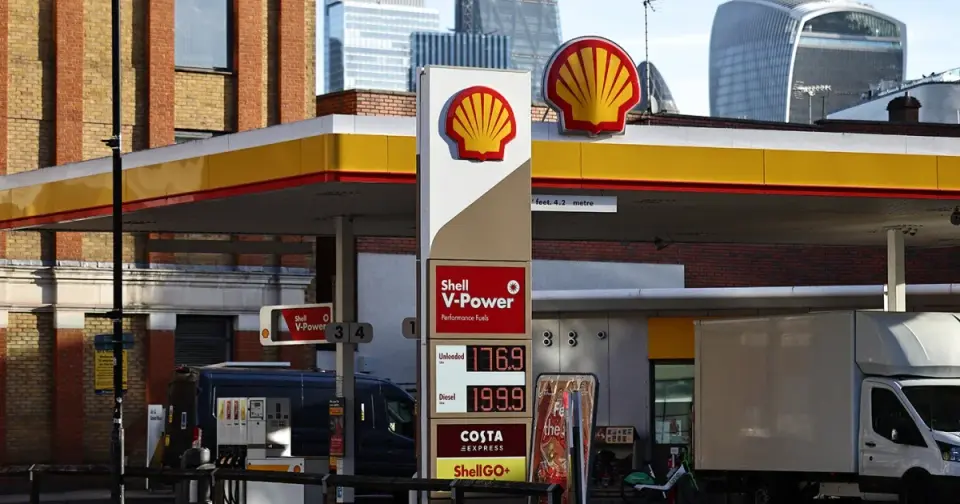
The Trump administration is urging European allies to release diesel from strategic reserves to lower soaring US fuel prices, while simultaneously weighing a domestic export ban. US diesel prices have risen 70% since the Iran conflict began, reaching $6.38 per gallon. European officials remain noncommittal, citing ongoing discussions, as the US faces internal debate over whether an export ban would help or harm global markets.
Key points
- US diesel prices hit $6.38 per gallon, a 70% increase since late February, driven by the Iran war and reduced Russian exports.
- Treasury Secretary Scott Bessent urged Europe to release reserves immediately, stating American businesses should not bear the burden of a global shortage.
- President Trump indicated he may request European reserve releases but is also considering a US diesel export ban, a move opposed by some advisers who fear it could raise other fuel costs.
- The European Commission stated it is in 'high-level contact' with the US but has not yet announced a release, with most EU reserves held in Germany and France.
- Ukraine's strikes on Russian refineries and Russia's subsequent export ban have significantly reduced global diesel supply, compounding the crisis.
Background
This situation follows earlier US efforts to pressure Iran economically and discussions about alternative measures to an export ban. In September, the White House explored European reserve releases to avoid restricting US exports, while also urging Ukraine to halt strikes on Russian refineries to stabilize supply. Recent archive notes indicate US Energy Secretary Chris Wright proposed a 120 million barrel EU release over six months, though no formal agreement has been reached.
How outlets are covering it
NBC News emphasizes the US pressure campaign and the internal conflict between urging Europe to release reserves and considering a US export ban. BBC highlights the impact on UK diesel prices, which hit record highs, and notes that the UK imports 31% of its diesel from the US, making it vulnerable to a US ban. Politico focuses on the internal White House debate, noting that while Trump is undecided, advisers argue an export ban could raise gasoline prices, and industry officials have pushed for alternative measures. All sources agree that the Iran war and Russian export bans are primary drivers of the diesel shortage, but they differ on the likelihood and consequences of a US export ban.
Why it matters
The diesel shortage affects global supply chains, agriculture, and transportation, with prices soaring in the US and Europe. A US export ban could lower domestic prices but risk spiking global costs, while European reserve releases could ease the crisis but face political and logistical hurdles. With US midterm elections approaching, fuel prices are a critical political issue, influencing policy decisions and international relations.
What to watch
The European Commission is expected to hold further discussions with the US, potentially leading to a coordinated reserve release. Trump may decide on a diesel export ban in the coming weeks, depending on market conditions and political pressure. The Kremlin has extended its diesel export ban until the end of October, which may further constrain global supply. Monitoring US-EU negotiations and any announcements from European governments will be key to resolving the crisis.
- U.S. pressures European allies to release diesel reserves as Trump considers export ban NBC News
- Trump’s Threat to Ban Diesel Exports Sets Off Global Alarms The New York Times
- EXCLUSIVE: US tells France and Germany to release diesel stocks or face US export ban, sources say Reuters
- UK in talks with EU partners to release strategic fuel reserves if needed, BBC understands BBC
- Trump says diesel export ban is still on the table politico.com
Want the full story? Read the original reporting
Read on NBC News