U.S. farmers are contending with a sharp surge in fertilizer and diesel costs after Iran’s actions disrupted shipments via the Strait of Hormuz, prompting many to buy at higher prices or cut usage as spring planting proceeds, with potential spillover effects on yields and farm incomes.
Rising gas prices, driven by oil disruptions, are squeezing workers who drive for work—Uber/Lyft drivers, delivery staff, cleaners, and others—who largely pay for fuel themselves and often get only partial reimbursement. Some employers are raising mileage rates (e.g., Alpine Maids at 72.5 cents/mile; Doggy Lama at 80 cents) or adjusting schedules to reduce travel, while gig platforms are adding temporary fuel incentives. Many drivers report thinner margins as the national gas average nears $4 per gallon, with some declining tips or skipping orders to keep costs in check; diesel prices have climbed even more, affecting trucking and bus services globally. The situation is forcing workers and businesses to re-balance prices, hours, and reimbursements amid ongoing price volatility.
The Iran conflict is disrupting Middle East shipping and driving up costs for California farmers: container rates to the region have surged (now about $7,500 per box), diesel in California averages around $7.26 a gallon, and fertilizer prices are climbing. Growers like Sequoia Nut Co. face cash-flow strain as shipments are redirected or canceled, exporting markets fade, and Ramadan demand shifts; farmers are stockpiling inputs, seeking efficiency gains, and pressing for federal relief amid preexisting tariff and weather-related pressures.
CBS News reports that the Iran war is driving up fertilizer and fuel costs, with ammonia up about 20%, urea about 50%, and diesel roughly 43.5%, adding to the burden on U.S. farmers who already saw a 46% rise in farm bankruptcies last year. Growers like Lance Lillibridge say costs are up around 25% from last year, threatening spring planting and potentially higher grocery prices as production costs climb from seed to sale.
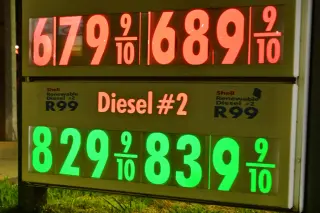
Diesel prices in Washington state climbed to record levels twice in one week, with the latest average hitting about $6.55 per gallon according to AAA, driven by ongoing fuel-market pressures and broader energy-market dynamics.
Rising diesel prices driven by the Iran-related oil market disruption and Strait of Hormuz tensions are hitting Farmington-based Leonard’s Express, where fuel is the top expense for its 500-truck fleet. The company has been absorbing much of the volatility while partially passing costs to customers, dodging price swings only weekly as DOE reports come out, and worrying about cash flow and broader effects on shipping and consumer demand. The spike underscores how fuel costs ripple through the trucking industry and the economy until oil markets stabilize.
US diesel prices rose to about $4.99 a gallon (roughly a 37% monthly jump) as Iran-related turmoil and Strait of Hormuz disruptions tighten global energy supplies. The squeeze raises costs for trucking and farming, risks higher consumer prices, and comes amid aging US refining capacity and limited new capacity.
US diesel prices climbed to about $4.99 a gallon—roughly a 37% jump in a month—as the Iran war and the Strait of Hormuz blockage tighten global energy supplies, raising costs for transporting goods and farming and risking broader consumer price pressures; analysts say the rally could persist due to limited refining capacity and aging U.S. refineries.
President Trump threatens expanded bombing of Iran as the conflict enters its second week, while domestic energy prices surge—gasoline up about 9 cents in a day and 43 cents in a week, diesel up over 22 cents—to lift costs for consumers and trucking surcharges, with estimates of higher overall fuel spending.
Diesel prices are expected to decrease as Russia lifts its ban on seaborne exports, allowing for increased supply in the market. This move is likely to have a significant impact on the energy market.
Diesel prices have been rising in recent weeks due to fears of supply shortages, which could have a significant impact on inflation as diesel powers trucks, industrial machinery, and agricultural equipment. Higher fuel costs for businesses may lead to price increases on consumer goods, potentially forcing central banks to raise interest rates or keep them high for longer. Analysts and users of diesel are concerned that prices could spike this winter if refineries in Europe and North America shut down for repairs or maintenance. The geopolitical struggle between Russia and the West, as well as production cuts by Russia and Saudi Arabia, could further contribute to higher diesel prices. A cold winter combined with a diesel shortage could particularly affect the Northeast, where heating oil is widely used.
Diesel prices in the US have reached their highest levels since March, posing a hidden tax on consumers and stoking inflation concerns. Recent refinery disruptions, including a fire at Marathon's Garyville refinery, have contributed to the upward pressure on diesel prices. Experts predict that diesel prices could continue to rise, potentially posing challenges for retailers stocking up for the holiday season. Gas prices have also hit a 2023 high, adding to inflation worries. Factors such as tighter output levels from OPEC+ and voluntary cuts from Saudi Arabia have contributed to elevated crude prices. However, seasonality in gasoline demand and the potential impact of Hurricane Idalia on tanker movements could help keep a lid on prices in the near term.
Oil futures rose by about 1% to reach a one-week high due to soaring U.S. diesel prices, a decrease in the number of oil rigs, and a fire at a refinery in Louisiana. Brent crude futures settled at $84.48 a barrel, while U.S. West Texas Intermediate (WTI) crude settled at $79.83. Diesel futures also surged to a near seven-month high, leading to an increase in the diesel crack spread. Weak economic data and a stronger dollar limited the gains. Despite concerns about economic growth and inflation, analysts expect crude prices to remain supported around $80 per barrel.
The national average price of gasoline has risen to $3.57 per gallon, while the national average price of diesel has fallen to $3.87 per gallon. With the Federal Reserve meeting this week to potentially alter interest rates again, oil markets were trading lower, and gasoline prices could be impacted. Gasoline demand remains above the critical 9-million-barrel-per-day mark, putting upward pressure on average prices. Meanwhile, diesel prices have fallen to their lowest since early 2022, helping to relieve some pressure on hard-hit consumers of diesel.
Oil prices have been capped by fears of demand destruction due to economic woes despite OPEC+ announcing a production cut. Diesel prices have been shrinking for the past six months due to cyclical sensitivity. The Iraqi federal government and Kurdistan’s regional authorities have signed a temporary deal to resume oil exports through Turkey. The French court has ruled against TotalEnergies’ halted refinery. US oil major ExxonMobil will exit its self-operated license blocks in offshore Brazil after its exploration drilling program failed to yield any commercial discovery.