
Betye Saar, the assemblage artist who reimagined Black history, dies at 99
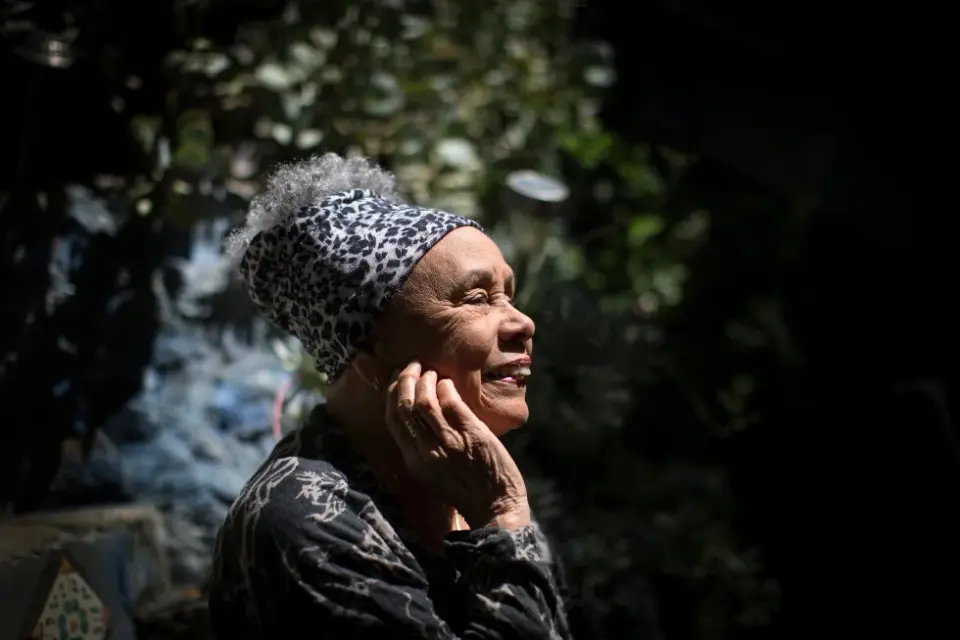
Betye Saar, a pioneering Los Angeles-based artist known for transforming racist stereotypes into powerful assemblages, has died at age 99. Her iconic 1972 work, 'The Liberation of Aunt Jemima,' reimagined a derogatory symbol as a figure of armed resistance, influencing generations of artists and cementing her status as a key figure in the Black Arts Movement.
Key points
- Saar died in her sleep in Los Angeles, just days before her 100th birthday, according to her gallerist Julie Roberts.
- She was a leading practitioner of assemblage art, using found objects from flea markets and junk piles to create works that addressed slavery, Jim Crow, and Black identity.
- Her 1972 piece 'The Liberation of Aunt Jemima,' which depicted the stereotypical mammy figure holding a rifle and grenade, became a defining image of the Black Arts Movement.
- Saar’s work is held in over 80 international museums, and she recently received a solo retrospective at the Scottsdale Museum of Contemporary Art.
- She mentored numerous artists, including Kerry James Marshall, and was inducted into the American Academy of Arts and Letters in spring 2026.
Background
Saar’s career began in design before she shifted to fine art in the late 1950s. Her work often drew on personal themes of family and spirituality, as well as broader historical contexts. She was part of a vibrant community of Black artists in Los Angeles and Pasadena, influenced by figures like Simon Rodia. Her approach to art, which she described as 'recycling' objects to give them new energy, was central to her practice.
How outlets are covering it
All sources agree on the basic facts of her death and her significance. The Los Angeles Times provides extensive detail on her life, including her early career in design and her move to Laurel Canyon. The Guardian emphasizes her role in the Black Arts Movement and her exploration of global spirituality. The New York Times focuses on her status as a leading practitioner of assemblage in California. There are no significant disagreements, but the emphasis varies: LA Times highlights her personal life and recent work, while The Guardian and NYT focus more on her artistic legacy and influence.
Why it matters
Saar’s work challenged and redefined how Black women were represented in American culture. By reclaiming derogatory symbols and infusing them with power and resistance, she created a visual language that resonated with the Black Arts Movement and continues to influence contemporary artists. Her legacy is a testament to the power of art to confront historical injustices and imagine new possibilities.
What to watch
Mourning and tributes are expected from the art world. Her recent exhibitions, including a show at Roberts Projects, will likely draw attention to her ongoing creative output. Her work remains in major museum collections, ensuring her continued presence in the art world.
- Artist Betye Saar, whose work reflects Black identity, has died at 99 AP News
- Betye Saar, a Los Angeles artist who transformed collections of bigoted bric-a-brac, has died Los Angeles Times
- Betye Saar, pioneering figure of Black arts movement, dies at 99 The Guardian
- Betye Saar, Artist Who Upended Black Stereotypes, Dies at 99 The New York Times
- Betye Saar, artist who shattered stereotypes of Black women, dies at 99 The Washington Post
Want the full story? Read the original reporting
Read on AP News