
Bromley Cottage Becomes Museum to Preserve David Bowie's Early Years
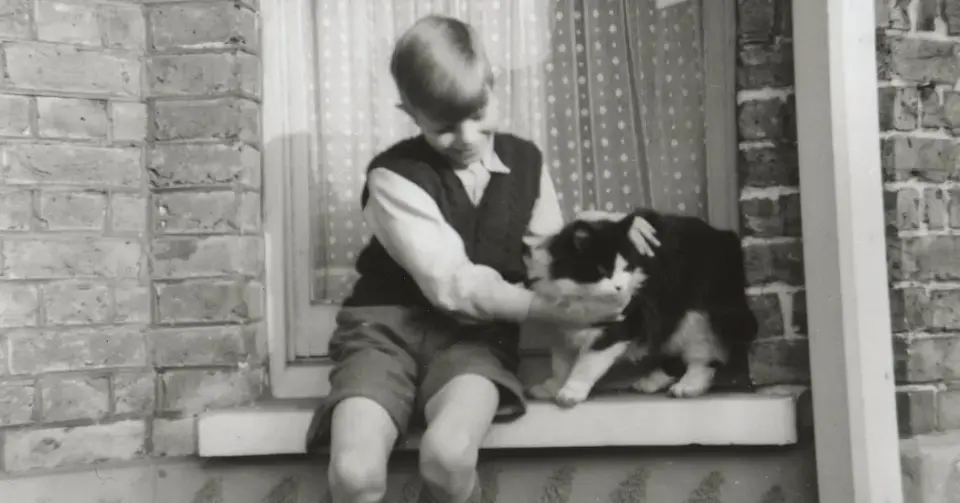
The house at 4 Plaistow Grove in Bromley, where David Bowie lived from 1955 to 1967, is being converted into a museum. The property, a cottage built for railway workers, served as Bowie's home during his formative years before he achieved fame. The Victoria & Albert Museum, which holds Bowie's archives, is involved in this preservation effort. This development highlights the cultural significance of Bowie's early life and his connection to the South London area.
Key points
- The house at 4 Plaistow Grove in Bromley, where David Bowie lived from 1955 to 1967, is being transformed into a museum.
- The property is a cottage on a street built for railway workers at the end of the 19th century.
- Bowie lived there with his parents, Haywood and Peggy Jones, and sometimes his half-brother Terry Burns.
- The Victoria & Albert Museum, which holds Bowie's archives, is involved in this preservation effort.
- The conversion aims to preserve the site where Bowie spent his formative years before achieving fame.
Background
This development follows recent interest in Bowie's early career, including the release of unreleased 1965 demos and a film adaptation inspired by his work. The Victoria & Albert Museum has been a key custodian of Bowie's archives, and this museum project extends that role to his physical living space.
Why it matters
The conversion of Bowie's former home into a museum preserves a significant site from his early life, offering insight into the formative years of one of the most influential musicians of the 20th century. It also highlights the cultural importance of his connection to South London and the broader legacy of his artistic evolution.
What to watch
The museum is expected to open to the public, providing visitors with a tangible connection to Bowie's early life and the environment that shaped his artistic development. The Victoria & Albert Museum will likely manage the site as part of its broader archive and exhibition efforts.
Want the full story? Read the original reporting
Read on The New York Times