
BSO Musicians Authorize First-Ever Strike After Nelsons Dismissal
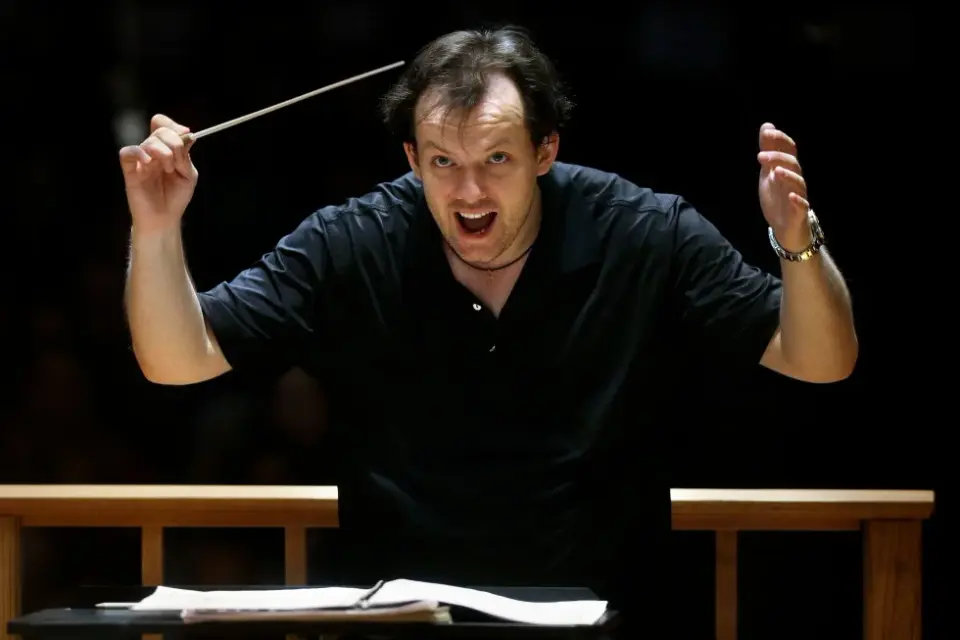
The Boston Symphony Orchestra (BSO) musicians have unanimously authorized a strike, marking the first labor action in the ensemble’s 145-year history. The vote occurred as contract negotiations stalled ahead of an August 23 deadline, with the Boston Musicians Association citing a breakdown in trust following the board’s decision to terminate music director Andris Nelsons. Although a strike has not yet begun, the union rejected management’s offer of a 48-hour extension, demanding a professional mediator and a fair contract that restores collaborative trust.
Key points
- The Boston Musicians Association voted unanimously to authorize a strike, the first in the BSO’s 145-year history.
- The dispute centers on the March 2026 decision by BSO leadership to terminate music director Andris Nelsons after 13 seasons.
- The union stated that management has not agreed to a proposal to bring in a professional mediator.
- BSO CEO Chad Smith stated the vote is a standard step in negotiations and that the organization remains committed to reaching an agreement.
- A 48-hour extension of the current labor agreement was agreed upon, pushing the deadline to August 25.
Background
This labor dispute follows the March 2026 announcement that Andris Nelsons, who joined the BSO in 2011, would not have his contract renewed. Nelsons, a Grammy winner, described the decision as unexpected, while the board cited a lack of alignment on future vision. The current strike authorization is the latest escalation in a six-month period of turmoil, following earlier coverage of stalled talks and the musicians’ demand for greater input on programming and competitive pay.
How outlets are covering it
AP News and The Boston Globe reported the unanimous vote to authorize a strike, emphasizing the historical significance of the action and the union’s statement regarding the erosion of trust. CBS News provided additional context on the labor negotiations, noting that a BSO source described the vote as a standard and not unexpected step as the contract deadline approached. While the union highlighted the lack of agreement on a mediator, CBS News noted that a 48-hour extension had been agreed upon, a detail not explicitly detailed in the AP or Globe summaries. All sources agree that no strike has yet taken effect, but they differ in emphasis: the union focuses on the broken trust and Nelsons’ dismissal, while management, via CBS News, frames the vote as a routine part of the negotiation process.
Why it matters
The strike authorization signals a deep rift between the BSO leadership and its musicians, potentially disrupting the orchestra’s performance schedule and financial stability. The dispute over Andris Nelsons’ dismissal has polarized the community, with musicians wearing red flowers in support of Nelsons, and the labor action could set a precedent for future negotiations in the classical music world. The outcome will determine whether the BSO can restore trust and reach a fair contract or face a prolonged work stoppage.
What to watch
Negotiations will continue through the weekend, with the union demanding a professional mediator and a contract that restores trust and offers competitive pay. Management has stated its commitment to reaching an agreement, but the lack of progress on the mediator proposal suggests a potential impasse. If no agreement is reached by the extended deadline, the authorized strike could go into effect, potentially impacting the BSO’s upcoming season.
- Union for Boston Symphony Orchestra musicians authorizes first strike in ensemble's 145-year history AP News
- Boston Symphony Orchestra musicians vote to authorize a strike with contract set to expire The Boston Globe
- Boston Musicians’ Union authorizes strike The Berkshire Edge
- Boston Symphony Orchestra musicians authorize strike amid music director drama CBS News
- Boston Symphony musicians vote to strike unless they reach a new contract The Berkshire Eagle
Want the full story? Read the original reporting
Read on AP News