
Caine Prize Winner Defends Authorship After AI Detection Tool Flags Winning Story
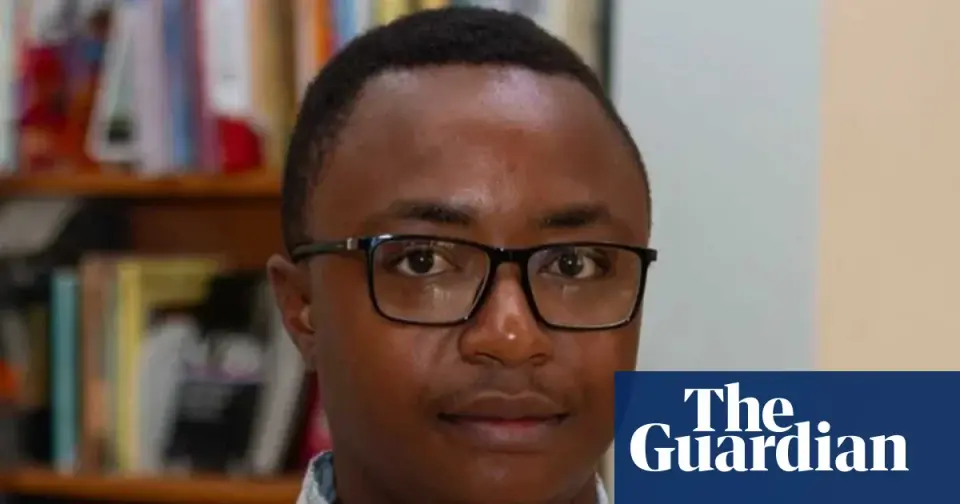
Zimbabwean author Simbarashe Kundizeza has denied using artificial intelligence to write 'The Blue Fighter,' the short story that won the 2026 Caine Prize for African Writing. The dispute emerged after journalist Vauhini Vara reported in The Atlantic that AI-detection software Pangram flagged the work as almost entirely machine-generated. Kundizeza maintains the story is his own original work, while the Caine Prize organization has launched an investigation into the allegations.
Key points
- Kundizeza won the Caine Prize on 6 October 2026 with 'The Blue Fighter.'
- The Atlantic published an article on 11 October 2026 citing Pangram software, which deemed the story almost completely AI-generated.
- Vauhini Vara criticized the story's style, noting common AI writing markers such as specific sentence structures and excessive metaphors.
- Kundizeza responded on X, stating he wrote the story himself and did not use generative AI.
- The Caine Prize announced it is reviewing the allegations using a 'human-centred approach' to support the writer.
- Caine Prize chair Ellah Wakatama criticized The Atlantic for declaring the winner a cheater without a proper investigation.
Background
This incident is part of a broader trend of AI-related controversies in literary awards in 2026. In July, Trinidadian writer Jamir Nazir faced similar allegations regarding his Commonwealth Foundation short story prize win. In September, Canadian-Haitian writer Thélyson Orélien was removed from the French Goncourt prize longlist after anonymous claims that his novel was AI-written. These events highlight growing tensions between automated detection tools and human creative evolution, particularly concerning non-Western writing styles.
Why it matters
The controversy raises significant questions about the reliability of AI-detection software in literary contexts. While Pangram claims high accuracy, critics argue that such tools may produce false positives, especially for non-native English speakers or writers with evolving styles. The Caine Prize's decision to investigate through a human-centered approach rather than relying solely on algorithmic verdicts underscores the need for nuanced evaluation in creative fields. This case also highlights potential biases in AI detection systems, with concerns that Black and African writers may be disproportionately targeted by automated scrutiny.
What to watch
The Caine Prize is currently reviewing the allegations against Kundizeza. The organization has committed to a process that ensures writers are supported and cared for during the investigation. Kundizeza has stated his intention to continue working with the Caine Prize team and to keep writing. The outcome of this review will likely influence how literary institutions handle future AI-related disputes and may prompt further debate about the validity of AI-detection tools in assessing authorship.
Want the full story? Read the original reporting
Read on The Guardian