
Heirs Challenge $180M Van Gogh Auction Over 1936 Nazi-Era Sale
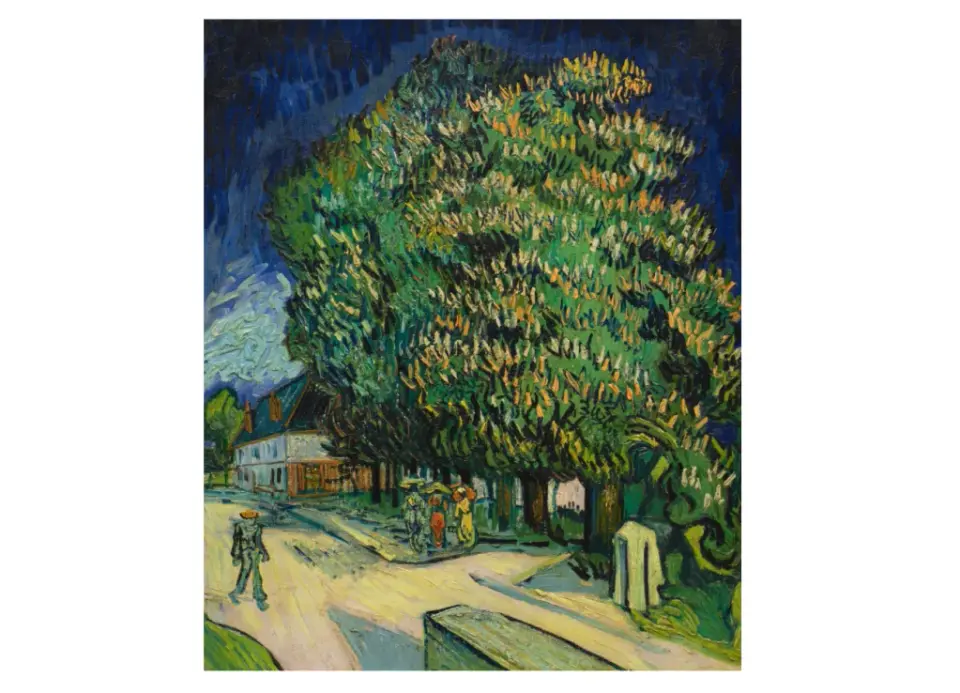
Sotheby’s faces a last-minute legal challenge to its $180 million sale of Vincent van Gogh’s 'Châtaigniers en fleurs' (Blossoming Chestnut Trees). Heirs of the painting’s original Jewish owners allege it was sold under Nazi duress in 1936. While Sotheby’s argues the sale was voluntary and fair, the dispute threatens the $2.8 billion fall auction season.
Key points
- The painting, estimated at $180 million, is the centerpiece of the Blaquier-Arrieta collection, expected to bring in $450 million total.
- Heirs of Samuel Fischer, a German Jewish publisher, claim the 1936 sale was coerced by financial pressure from Nazi persecution.
- Sotheby’s counters that the sale was voluntary, citing a 1936 price of 68,000 Swiss francs, which they argue was fair market value for the time.
- The dispute arises just days before the November 18 auction, with the heirs demanding proof that the family would have sold the work even without Nazi rule.
- Recent changes to the HEAR Act have eliminated the 'laches' defense, making it harder for auction houses to dismiss delayed restitution claims.
Background
This story follows earlier coverage of the Blaquier-Arrieta collection, which includes 12 Impressionist and Post-Impressionist paintings. The collection has also faced scrutiny over its Argentine origins, but the current focus is on the Nazi-era restitution claim. The Van Gogh is the highest-estimated lot in the fall auction season, which is expected to total $2.4 billion across major houses.
How outlets are covering it
ARTnews and The New York Times emphasize the legal and historical details of the 1936 sale, with ARTnews highlighting Sotheby’s defense that the sale was voluntary and fair. The New York Times focuses on the heirs’ demand for proof that the family would have sold the work even without Nazi rule. BBC and CNBC provide broader context, with BBC noting Sotheby’s commitment to resolving the dispute and CNBC highlighting the impact on the art market and collector confidence. All sources agree on the core facts but differ in emphasis, with ARTnews and The New York Times focusing on the legal dispute and BBC and CNBC on the market implications.
Why it matters
The dispute tests the limits of Nazi-era restitution claims in the art market, especially after recent changes to the HEAR Act. It also highlights the risks of last-minute challenges to high-value auctions and the importance of provenance research. The outcome could set a precedent for future restitution claims and affect collector confidence in the art market.
What to watch
Sotheby’s is expected to negotiate with the Fischer heirs before the November 18 auction. The Blaquier family has expressed willingness to engage in dialogue, but it is unclear if a resolution will be reached before the sale. The outcome of the dispute could influence future restitution claims and the handling of similar cases in the art market.
- Sotheby’s $180 M. Van Gogh Sale Faces Eleventh-Hour Nazi-Era Restitution Claim ARTnews.com
- Jewish Heirs Challenge Sale of $180 Million van Gogh Painting at Sotheby’s The New York Times
- Masterpieces haunted by brutal past could send records tumbling at Sotheby’s The Guardian
- Sotheby's auction of $180m Van Gogh challenged over claims it was 'sold under duress' BBC
- $180 million Van Gogh tests the art market and collector confidence CNBC
Want the full story? Read the original reporting
Read on ARTnews.com