
Yayoi Kusama’s Legacy: How Neurodivergent Art Redefined Global Culture
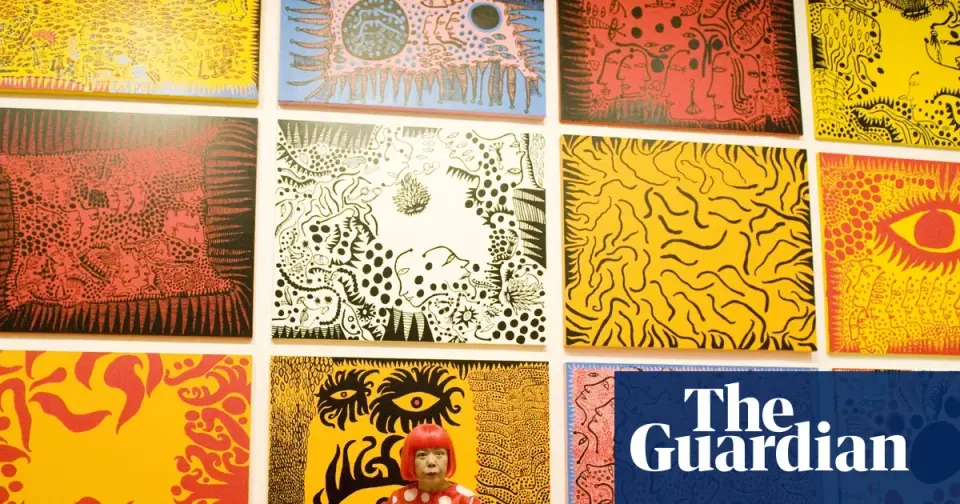
Japanese artist Yayoi Kusama has died at 97, leaving a legacy that bridges avant-garde art and neurodivergent experience. Her immersive 'Infinity Rooms' and polka-dot motifs, born from lifelong hallucinations, became global phenomena. While The Guardian emphasizes her role as a pioneer for neurodivergent artists, The Conversation highlights her massive commercial success and influence on pop art. Kusama’s work, created while living in a Tokyo psychiatric hospital, demonstrated that art could be a survival mechanism for mental illness, influencing generations of artists and shifting cultural perceptions of disability.
Key points
- Yayoi Kusama died at age 97 in Tokyo, having lived in a psychiatric hospital since 1977 while maintaining a prolific studio practice.
- Her signature motifs, such as polka dots and infinity nets, originated from vivid hallucinations she experienced starting at age 10, which she described as 'self-obliteration.'
- The National Gallery of Victoria reported that her 2024-25 exhibition drew 570,537 visitors, making it their most successful ticketed show, surpassing works by Van Gogh and Monet.
- Kusama’s 1966 Venice Biennale installation, 'Narcissus Garden,' featured hundreds of mirrored spheres and was later acquired by the National Gallery of Victoria.
- The Guardian notes that Kusama’s openness about her mental health paved the way for greater acceptance of neurodivergent artists, citing 2025 Turner Prize winner Nnena Kalu as a contemporary example.
- The Conversation details her early life in Matsumoto, Japan, where she began painting at age 10 and later moved to New York in 1957 to join the avant-garde scene.
Background
Our archive from August 2026 confirmed Kusama’s death on August 14 in Tokyo, noting her decades-long residence in a psychiatric hospital and her status as a global art icon. Earlier coverage highlighted her controversial moments and self-imposed withdrawal, but emphasized her enduring impact on contemporary art through immersive installations and fashion collaborations. This current briefing expands on the cultural significance of her neurodivergent identity, a theme less prominent in initial obituaries but central to current discourse on disability in the arts.
How outlets are covering it
The Guardian frames Kusama’s death as a milestone for neurodivergent representation, arguing that her visibility helped dismantle stigma and inspired a new generation of artists with disabilities. It contrasts her era with today’s art world, which increasingly embraces neurodiversity, citing the 2025 Turner Prize win by autistic artist Nnena Kalu. The Conversation, however, focuses on Kusama’s historical impact and commercial success, detailing her influence on pop art and her record-breaking exhibition attendance in Melbourne. While The Guardian emphasizes the therapeutic and survival aspects of her art, The Conversation highlights her technical innovations and global reach, noting her 1968 film awards and major retrospectives at MoMA and Tate Modern. Both sources agree on her prolific output despite her hospitalization, but The Guardian places greater weight on the psychological narrative, whereas The Conversation emphasizes her artistic legacy and public engagement.
Why it matters
Kusama’s life illustrates how mental illness and artistic genius can coexist, challenging traditional narratives that separate disability from creativity. Her success demonstrates that neurodivergent perspectives can produce world-class art, influencing institutions to embrace diverse voices. The growing acceptance of neurodivergent artists, as seen in recent prize nominations, suggests a cultural shift toward valuing different ways of seeing and creating. Kusama’s work also highlights the importance of accessible mental health support, as she continued to create while living in a psychiatric facility, offering a model for integrating care and productivity. Her legacy encourages the art world to recognize the value of sensory experiences and repetitive practices, broadening definitions of artistic merit.
What to watch
Institutions are likely to continue expanding exhibitions and collections that feature neurodivergent and disabled artists, following the precedent set by Kusama’s global popularity. The art world may see increased funding and support for organizations like ActionSpace and Project Art Works, which facilitate work by artists with complex needs. As awareness of neurodiversity grows, expect more collaborations between artists with disabilities and mainstream galleries, potentially leading to new educational programs and sensory-friendly exhibitions. Kusama’s estate and museum in Tokyo may also see increased interest in preserving her legacy, including her writings and lesser-known works, ensuring her influence continues to shape contemporary art discourse.
- ‘I fight pain and fear with art’: how Yayoi Kusama blazed a trail for neurodivergent artists The Guardian
- Yayoi Kusama, Japanese Pop Artist Known for Polka-Dot Paintings, Dies at 97 The New York Times
- Yayoi Kusama Turned Her Polka Dot Obsession Into Global Success Bloomberg.com
- ‘The only method I have found that relieved my illness is to keep creating art’: remembering Yayoi Kusama The Conversation
- How Yayoi Kusama’s San Francisco triumph became an SFMOMA reckoning San Francisco Chronicle
Want the full story? Read the original reporting
Read on The Guardian