
Italian Director Tinto Brass, Known for 'Caligula' and 'Salon Kitty,' Dies at 93
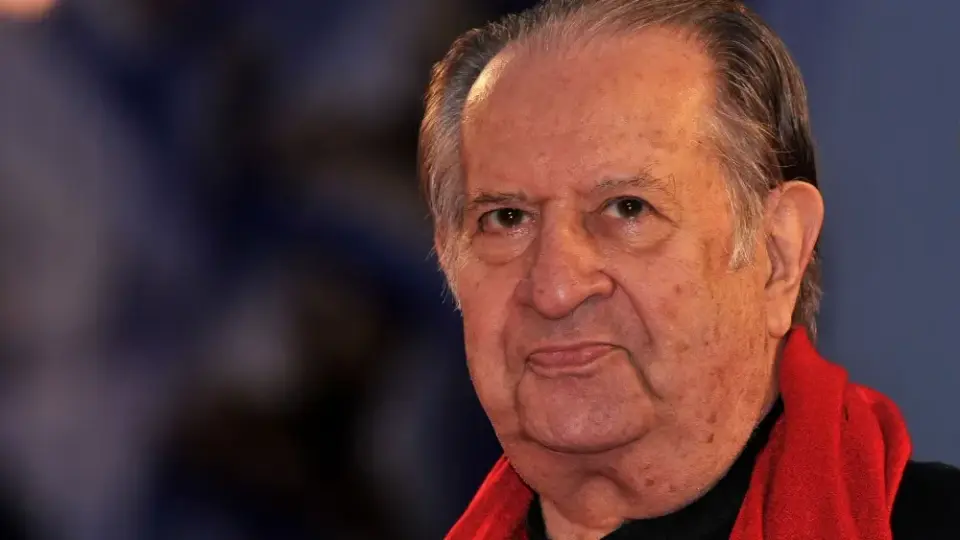
Italian filmmaker Tinto Brass has died in Rome at the age of 93. Born Giovanni Brass in Milan in 1933, he transitioned from law and archival work to directing, becoming a central figure in Italian erotic cinema. While he is best known internationally for the controversial 1979 film 'Caligula,' he also directed 'Salon Kitty' and 'The Key.' Brass’s career was marked by battles with censorship and producers, notably Bob Guccione, who re-edited 'Caligula' without his consent. His family announced his passing to Italian press agency Ansa on Wednesday, noting he had been ill for some time, including suffering a stroke in 2010.
Key points
- Tinto Brass died in Rome on November 4, 2026, at age 93; his wife Caterina Varzi and children Bonifacio and Beatrice announced the news to Ansa.
- The cause of death has not been publicly disclosed, though reports indicate he had been ill for a long time and suffered a stroke in 2010 that left him in a wheelchair.
- Brass’s most famous work, 'Caligula' (1979), was self-financed by Penthouse founder Bob Guccione, who later re-edited the film without Brass’s permission, leading Brass and screenwriter Gore Vidal to sue to remove their names.
- He is also renowned for 'Salon Kitty' (1976), a 'Nazisploitation' film about a Berlin brothel used by Nazi intelligence, and 'The Key' (1983), which shifted his focus toward highbrow eroticism.
- Brass’s early career included working as an assistant to Roberto Rossellini and directing experimental films in the 1960s, such as 'Chi Lavora è Perduto,' which faced censorship issues in Italy.
- In September 2026, Brass was unable to attend the Venice Film Festival due to health issues, but his wife read a message from him during a screening of a restored 4K version of his 1967 film 'Deadly Sweet.'
Background
Tinto Brass, born Giovanni Brass in Milan in 1933, began his career in film after studying law and working as an archivist at the Cinémathèque Francais in Paris, where he assisted Roberto Rossellini. He made his directorial debut in 1963 with 'In Capo Al Mondo,' later retitled 'Chi Lavora è Perduto,' which received acclaim at the Venice Film Festival but faced censorship battles in Italy. Throughout the 1960s and 1970s, he directed experimental and English-language films in London, including 'Deadly Sweet' (1967). His international breakthrough came with 'Salon Kitty' in 1976, followed by the contentious 'Caligula' in 1979. In later years, he focused on erotic films with more artistic intent, such as 'The Key' (1983) and 'Black Angel' (2002). Brass lived in Isola Farnese, near Rome, in his final years and expressed a wish for his ashes to be scattered in the Venice lagoon.
How outlets are covering it
Variety emphasizes Brass’s early career, including his work with Roberto Rossellini and his debut film, while highlighting the legal battles surrounding 'Caligula.' The Guardian focuses on his reputation as a pioneer of Italian erotic cinema, noting his experimental approach and the political dimensions of his early erotic films, as well as the controversy of 'Caligula' and the 2023 recut version. Euronews provides a comprehensive overview of his career, including his later films and his final wishes, and notes his absence from the Venice Film Festival due to health issues. Yahoo details the lack of a public cause of death, his long-term illness, and the specific circumstances of the 'Caligula' re-editing, including the budget and the unrated release in the US. All sources agree on the basic facts of his death and his major works, but differ in emphasis: Variety and The Guardian focus on his artistic legacy and early career, while Euronews and Yahoo provide more details on his later life and health.
Why it matters
Tinto Brass’s death marks the end of an era in Italian cinema, particularly in the realm of erotic and experimental filmmaking. His work, especially 'Caligula' and 'Salon Kitty,' remains controversial and influential, reflecting the tensions between artistic expression, censorship, and commercial interests in the film industry. His career also highlights the challenges filmmakers face when producers exert control over the final product, as seen in the 'Caligula' dispute. Brass’s legacy continues to influence discussions about the intersection of art, sexuality, and power in cinema.
What to watch
The family is planning a strictly private funeral for Tinto Brass. No public ceremonies or additional details about his death have been announced. His ashes may be scattered in the Venice lagoon, as per his wish expressed on his 90th birthday. The restored 4K version of 'Deadly Sweet' screened at the Venice Film Festival in September 2026 may continue to be shown in other venues as a tribute to his legacy. There are no immediate plans for new releases or projects related to Brass, but his existing films may see renewed interest in the wake of his death.
- Tinto Brass, Director of Erotic Epics ‘Caligula’ and ‘Salon Kitty,’ Dies at 93 Variety
- Tinto Brass, director of Caligula and maestro of Euro erotica, dies aged 93 The Guardian
- Tinto Brass, maestro of Italian erotic cinema, dies in Rome aged 93 Euronews.com
- Tinto Brass Cause of Death: What We Know About the 'Caligula' Director's Passing at 93 Yahoo
- Tinto Brass, Director of the X-Rated ‘Caligula,’ Dies at 93 The Hollywood Reporter
Want the full story? Read the original reporting
Read on Variety