
Jacksonville Symphony Premieres New Score for 1926 Silent Film 'The Flying Ace'
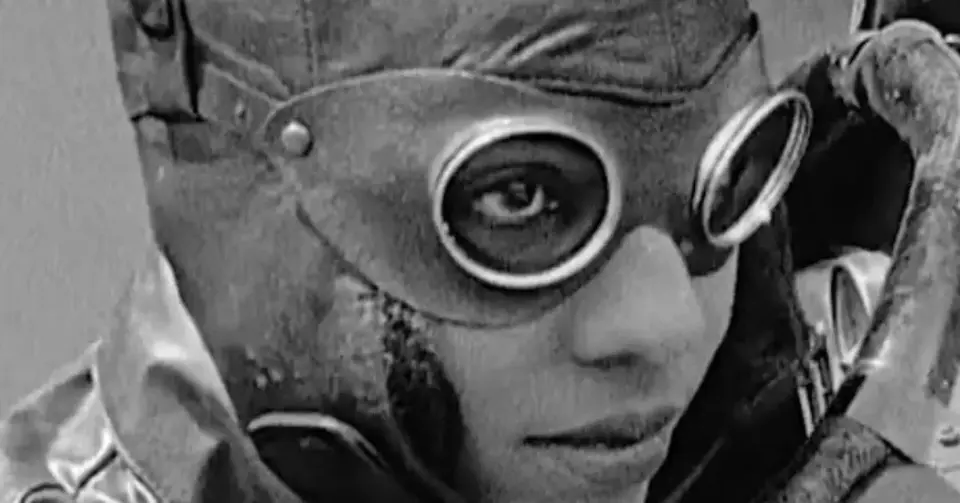
The Jacksonville Symphony will present the world premiere of a newly commissioned orchestral score for the 1926 silent film 'The Flying Ace' on November 14. The film, featuring an all-Black cast and produced by Norman Studios, is the only surviving feature-length movie from the studio. Six prominent Black composers, led by Carlos Simon, created the score collaboratively, with each writing one reel of the six-reel film. This event marks the centennial of the film and highlights its historical significance in African American cinema.
Key points
- The Jacksonville Symphony will perform a new score for 'The Flying Ace' on Nov. 14 at Jacoby Symphony Hall; this is the only public performance scheduled.
- The score was commissioned from six Black composers: Carlos Simon, Jongnic Bontemps, Kathryn Bostic, Nathalie Joachim, Allison Loggins-Hull, and Levi Taylor.
- Carlos Simon served as lead composer, creating thematic material for the others to use, but did not hear their individual contributions until the September rehearsal.
- The film, made in Jacksonville in 1926, features an all-Black cast and was added to the Library of Congress National Film Registry in 2021.
- Norman Studios, the production company, was the first U.S. studio dedicated to portraying African Americans in leading roles with dignity.
- The film's plot involves a WWI pilot solving a mystery involving a stolen $25,000 payroll.
Background
The film 'The Flying Ace' was produced in Jacksonville, Florida, in 1926 by Norman Studios, which specialized in 'race films' featuring all-Black casts. It is the only surviving feature-length film from the studio. The film was added to the Library of Congress National Film Registry in 2021. The Jacksonville Symphony has previously commissioned works from Carlos Simon, including the 'Zodiac Symphonic Suite' in 2025. The current event is part of the film's centennial celebrations, which include screenings by other organizations such as ReelAbilities and the Smithsonian.
How outlets are covering it
The New York Times emphasizes the film's historical significance as a rare Jim Crow-era production with an all-Black cast and the collaborative nature of the new score. i care if you listen highlights the artistic process, noting that the six composers did not hear each other's work until the rehearsal, and discusses the film's role in challenging stereotypical portrayals of Black people. Hoodline focuses on the local Jacksonville connection, noting the film was shot in the Old Arlington neighborhood and Mayport, and mentions the one-time nature of the performance. The Bradenton Herald details the rehearsal process, noting that the composers were present during the September rehearsal and that the music director used a video screen with visual cues to synchronize the music with the film. All sources agree on the basic facts of the premiere, the composers involved, and the film's historical importance.
Why it matters
The event highlights the preservation and reinterpretation of African American cinema history, showcasing a film that defied the racial norms of its time. The collaborative score by six leading Black composers brings new attention to the film and its creators, while the centennial screenings across the country underscore the ongoing relevance of these historical artifacts. The performance also supports the local Norman Studios museum and community engagement efforts in Jacksonville.
What to watch
The Jacksonville Symphony will perform the new score for 'The Flying Ace' on November 14, 2026, at 7:30 p.m. at Jacoby Symphony Hall. After a one-year exclusivity period, the score will be available for licensing through Bill Holab Music, potentially allowing other orchestras in the US and Europe to perform it. The film is also available for viewing online through the Library of Congress website and in the documentary 'Pioneers of African American Cinema.'
- ‘The Flying Ace,’ Silent Film With All-Black Cast, Gets a Soaring Score The New York Times
- Six Composers Give New Life to “The Flying Ace” i care if you listen
- Jax-made silent film 'The Flying Ace' to soar with new score performed by Jacksonville Symphony JaxToday
- The Flying Ace Gets New Score at Jacksonville Symphony Hoodline
- 'The Flying Ace' gets new Jacksonville Symphony score 100 years later Bradenton Herald
Want the full story? Read the original reporting
Read on The New York Times