
Max Levai’s Art Career: A Closer Look at the 'Nepo Baby' Narrative
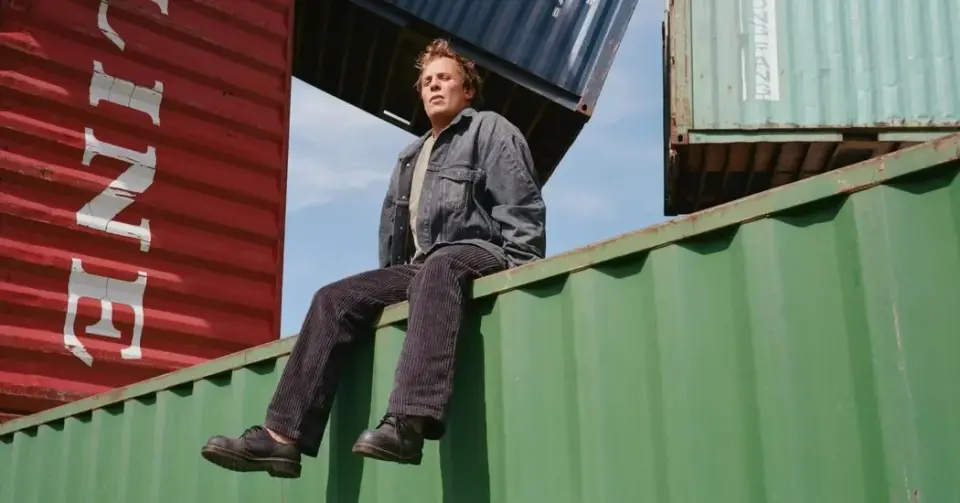
Max Levai, 39, is often cited as a prime example of an art world 'nepo baby' due to his rapid ascent to leadership roles at the Marlborough Gallery. However, a New York Times profile suggests his career path was more complex than the stereotype implies, requiring him to build significant operational experience despite his privileged lineage. He currently owns The Ranch in Montauk, a venue that has faced local controversy regarding large-scale sculptures.
Key points
- Levai was appointed a director of the Marlborough Gallery in 2012, shortly after graduating from college, leveraging his family’s legacy in the art business.
- His father, Pierre Levai, led the New York branch of the gallery, which was an offshoot of a London institution co-founded by Pierre’s uncle, Frank Lloyd.
- The Marlborough Gallery, established in New York in 1963, was a dominant force in modernism for fifty years, exhibiting works by major artists like Jackson Pollock and Francis Bacon.
- Levai was named president of all operations for the gallery at the age of 32, a position that solidified his status within the industry.
- He currently owns The Ranch in Montauk, New York, a space that has been involved in legal disputes with the town over the installation of a 60-foot-tall sculpture by Matt Johnson.
Background
The contemporary art market is frequently characterized by dynastic control, where client lists and professional relationships are passed down through generations. This trend is particularly visible among male, white scions who inherit both financial resources and industry connections. While the provided archive articles cover unrelated topics such as the return of Kai Labban to Kibbutz Nirim, mass grave discoveries in Mexico, protests in France, and a satirical statue at the European Parliament, they do not offer direct background on the Levai family or the Marlborough Gallery. The current story stands as an isolated profile within the available data, focusing on the intersection of privilege and professional merit in the art world.
Why it matters
The narrative surrounding Max Levai challenges the simplistic view that success in the art world is solely the result of inherited privilege. By highlighting the operational responsibilities and legal challenges associated with his ventures, the story suggests that even those with significant advantages must navigate complex professional and legal landscapes. This adds nuance to the broader discourse on nepotism in high-stakes industries, indicating that lineage provides access but not necessarily a frictionless path to sustained success.
What to watch
There is no information in the provided sources regarding future developments for Max Levai, the Marlborough Gallery, or The Ranch. The article serves as a retrospective profile of his career trajectory up to 2026, without outlining specific upcoming exhibitions, legal outcomes, or strategic shifts in his business operations.
Want the full story? Read the original reporting
Read on The New York Times