
Yayoi Kusama, the Polka Dot Pioneer, Dies at 97
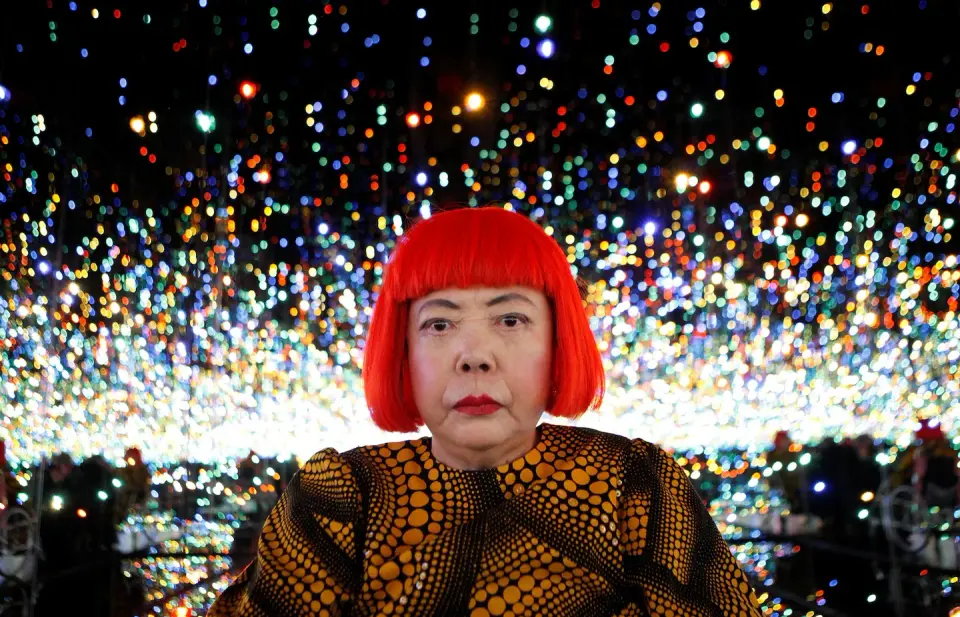
Yayoi Kusama, the Japanese avant-garde artist known for her polka-dot paintings and immersive 'infinity rooms,' has died at age 97. She passed away on August 14 in a Tokyo hospital, where she had lived for decades. Although she faced obscurity and mental health struggles in the 1970s, she achieved global superstardom in her later years, becoming one of the most recognizable and highest-selling contemporary artists in the world.
Key points
- Kusama died on August 14 at a hospital in Tokyo; her studio announced the news on Wednesday without citing a cause.
- She was born in 1929 in Matsumoto, Japan, and moved to New York in 1958 to join the avant-garde scene alongside artists like Andy Warhol and Donald Judd.
- Her career included controversial nude 'happenings' in the 1960s, such as the 'Nixon Orgy,' which protested the Vietnam War and challenged social taboos.
- After mental health crises and suicide attempts, she voluntarily resided in a psychiatric hospital in Tokyo starting in 1975, continuing to create art from a nearby studio.
- Her work gained massive popularity in the 2010s due to social media, with her mirrored installations drawing huge crowds to museums like the Tate Modern and the Hirshhorn Museum.
- She became one of the top-selling female artists, with a painting fetching $10.5 million at auction in 2022, and collaborated with fashion brands like Louis Vuitton.
Background
Kusama’s death follows a long trajectory of artistic evolution, from her early 'Infinity Nets' to her later immersive installations. Her story is often compared to other trailblazers like Betye Saar, who also faced initial rejection before achieving posthumous or late-career recognition. Kusama’s journey from a psychiatric patient to a global icon highlights the complex relationship between mental health, artistic vision, and public perception in the 20th and 21st centuries.
How outlets are covering it
The Washington Post emphasizes Kusama’s mental health struggles and her self-taught nature, noting her belief that art was a therapy for her childhood disabilities. The Guardian highlights her status as an 'outsider' who was written out of art history despite pioneering many themes, and notes her controversial 2002 autobiography statements. The BBC focuses on her commercial success and the global appeal of her 'infinity rooms,' noting that her Tate Modern exhibition was the gallery's most visited of all time. All sources agree on her death date and age, but differ in emphasis: The Post focuses on her personal struggles, The Guardian on her artistic legacy and controversies, and the BBC on her commercial and cultural impact.
Why it matters
Kusama’s death marks the end of an era for contemporary art. Her ability to transform personal trauma into a globally recognized aesthetic, and her success in the age of social media, redefined how artists engage with the public. Her work continues to influence fashion, design, and museum curation, and her legacy challenges traditional narratives of artistic success and mental health.
What to watch
Museums and institutions worldwide are expected to hold retrospectives and tributes to Kusama. Her estate will likely manage the licensing of her iconic polka-dot and pumpkin designs, which remain highly sought-after in fashion and commercial products. Her studio has stated they will continue to promote her work to bring 'hope and strength' to people around the world.
- Yayoi Kusama, whose art evoked hallucinatory wonder, dies at 97 The Washington Post
- Yayoi Kusama, Japanese artist who became a global superstar, dies aged 97 The Guardian
- Yayoi Kusama, high priestess of polka dots, has died NPR
- Yayoi Kusama Was the Avant-Garde Radical Who Became a Pop Icon The New York Times
- Japanese polka dot artist Yayoi Kusama dies aged 97 BBC
Want the full story? Read the original reporting
Read on The Washington Post