
Sebastián Lelio, Oscar-Winning Director of 'A Fantastic Woman,' Dies at 52
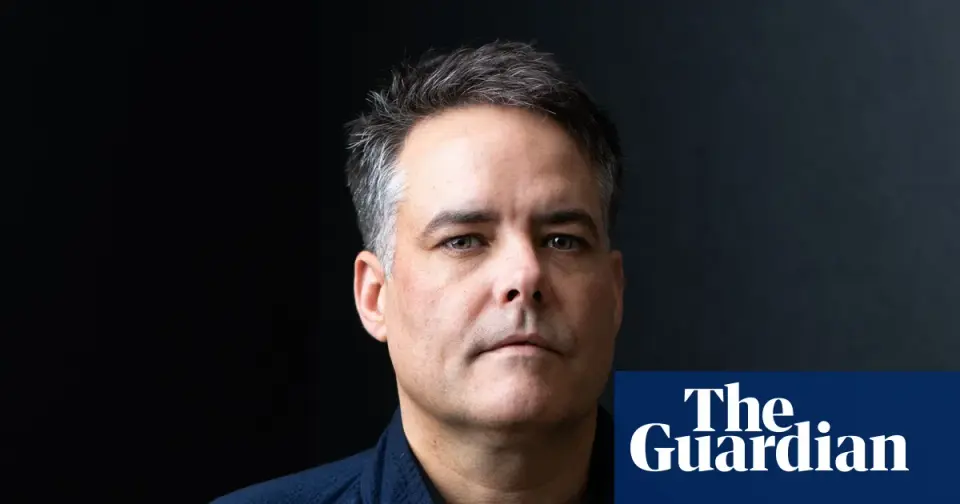
Chilean filmmaker Sebastián Lelio has died at age 52 in Santiago. His partner, Amalia Kassai, confirmed the news via Instagram, citing health complications but not specifying the cause. Lelio was best known for directing the 2018 Oscar-winning film 'A Fantastic Woman,' the first Chilean film to win the award for Best International Feature. He was also the director of 'Gloria Bell,' 'The Wonder,' and 'The Wave.' At the time of his death, he was in production on an adaptation of Alejandro Zambra’s novel 'Chilean Poet.'
Key points
- Sebastián Lelio died on November 6, 2026, at his home in Las Condes, Santiago, at the age of 52.
- His partner, actress and director Amalia Kassai, announced his passing on Instagram, stating it was due to health problems and requesting privacy for the family.
- Lelio won the Academy Award for Best International Feature in 2018 for 'A Fantastic Woman,' a drama starring trans actress Daniela Vega.
- He was in the middle of filming 'Chilean Poet,' an adaptation of a novel by Alejandro Zambra, when he died.
- Lelio was born in Argentina but moved to Chile at age two and studied at the Chilean Film School.
Background
Lelio’s career began in the early 2000s with documentary and short films before his narrative feature debut, 'The Sacred Family,' premiered in 2005. His 2013 film 'Gloria' earned its lead actress a Silver Bear at the Berlin Film Festival, marking his international breakthrough. In 2017, he directed 'Disobedience,' a queer romance starring Rachel Weisz and Rachel McAdams, and remade 'Gloria' as 'Gloria Bell' with Julianne Moore. His 2022 film 'The Wonder,' starring Florence Pugh, was a critical success. His most recent completed work, 'The Wave,' a musical drama about Chilean feminist protests, premiered at Cannes in 2025. Lelio frequently collaborated with producers Pablo and Juan de Dios Larraín.
How outlets are covering it
All four sources confirm the basic facts of Lelio’s death, age, and the announcement by his partner. The Guardian and AP News emphasize his cultural impact, particularly how 'A Fantastic Woman' helped reactivate the gender identity debate in Chile. IndieWire and Deadline provide more detail on his unfinished projects, noting he was filming 'Chilean Poet' and had another project, 'Voyagers,' in development. While the family statement cited 'health complications,' Chilean media reported he was found dead at his home. There is no disagreement on the core facts, but the outlets differ in emphasis: The Guardian focuses on his artistic philosophy, while Deadline and IndieWire highlight his unfinished work and industry connections.
Why it matters
Lelio’s death marks the loss of a significant figure in contemporary cinema, particularly for his groundbreaking portrayal of transgender characters and his focus on female-led narratives. His work is credited with influencing social attitudes and policy discussions in Chile. His unfinished film 'Chilean Poet' may now be shelved or completed by others, representing a loss to the industry. His legacy includes being the first Chilean director to win the Oscar for Best International Feature.
What to watch
The status of Lelio’s unfinished film 'Chilean Poet' is currently unknown. The Larraín brothers, who produced his recent films, may decide whether to complete or shelve the project. The family has requested privacy, so no public funeral or memorial details have been announced. The film 'The Wave' has already received a limited release, so no further distribution changes are expected for that title.
- Sebastián Lelio, director of A Fantastic Woman and Gloria, dies aged 52 The Guardian
- Oscar-winning Chilean filmmaker Sebastián Lelio dies at 52 AP News
- Sebastián Lelio, Chilean Director of Oscar-Winning ‘A Fantastic Woman,’ Dead at 52 IndieWire
- Sebastián Lelio Dead: Oscar-Winning 'A Fantastic Woman' Filmmaker Was 52 Deadline
- Sebastián Lelio Dead: ‘Fantastic Woman,’ ‘The Wonder’ Director Was 52 The Hollywood Reporter
Want the full story? Read the original reporting
Read on The Guardian