
Zimbabwean Caine Prize Winner Defends Authorship Against AI Detection Controversy
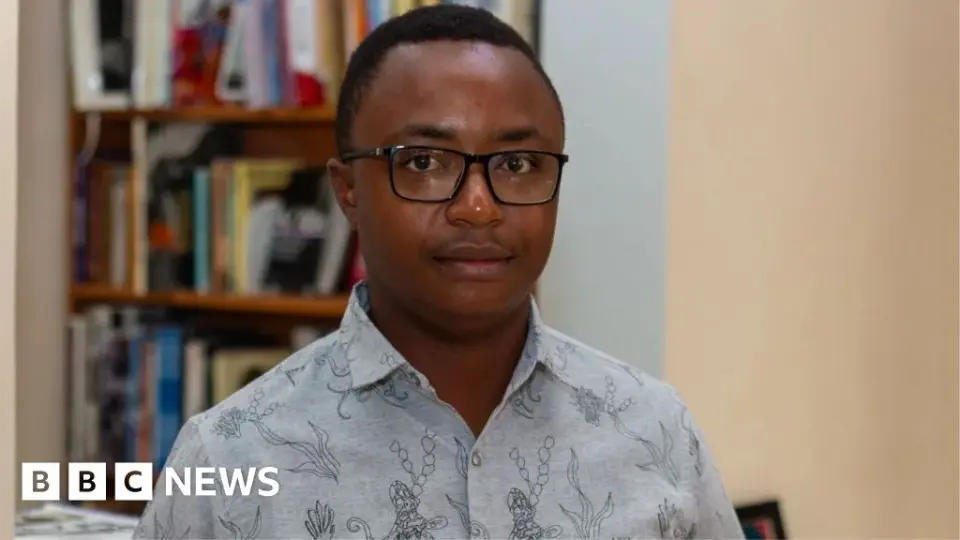
Zimbabwean author Simbarashe Kundizeza has firmly denied using artificial intelligence to write 'The Blue Fighter,' the short story that won the 2026 Caine Prize for African Writing. The dispute arose after The Atlantic published an article citing AI-detection software Pangram, which flagged the work as entirely AI-generated. Kundizeza provided a documented chronology of the story's development, linking it to a poem about fish tanks and his own family’s economic struggles in Zimbabwe. Caine Prize chair Ellah Wakatama criticized The Atlantic for publishing allegations without a full investigation, while critics accused the scrutiny of targeting Black and African writers. The controversy highlights ongoing tensions between automated detection tools and human creative evolution.
Key points
- Simbarashe Kundizeza won the 2026 Caine Prize for African Writing with his short story 'The Blue Fighter,' earning a £10,000 prize.
- The Atlantic published an article by Vauhini Vara claiming AI-detection tool Pangram identified the story as 100% AI-generated, sparking a social media backlash.
- Kundizeza denied the claims, stating he was inspired by a poem about fish tanks and fictionalized details from his life in Zimbabwe around 2002.
- Caine Prize chair Ellah Wakatama expressed shock that The Atlantic did not wait for a full investigation, noting that Pangram is an untested tool.
- Critics, including Nigerian publisher Modupe Daramola, argued that AI allegations disproportionately target Black and African writers, calling the scrutiny 'sinister.'
- Vauhini Vara defended her article by noting that previous Caine Prize winners tested as '100% human' and that Kundizeza’s earlier 2021 work also tested as human, suggesting a tonal shift in his new work.
Background
This controversy follows a series of AI-related disputes in literary circles, including the Commonwealth Short Story Prize and the Goncourt Prize. In August 2026, Marlon James discussed the personal nature of his writing, while in September 2026, Annie Dillard passed away, underscoring the enduring value of human literary craftsmanship. These events provide a backdrop to the current debate over the reliability of AI detection tools in evaluating human creativity.
Why it matters
The dispute raises critical questions about the reliability of AI-detection tools in literary contexts and the potential for racial bias in scrutinizing non-white authors. It challenges the integrity of prestigious literary awards and highlights the need for more nuanced, human-led investigations into authorship. The controversy also underscores the evolving nature of writing, where authors may shift styles or improve over time, complicating automated assessments of authenticity.
What to watch
The Caine Prize is conducting an internal investigation, with Kundizeza set to submit documentation of his drafts and ongoing discussions with judges and the publication that first featured 'The Blue Fighter.' The outcome will likely influence how literary institutions handle AI-detection allegations in the future.
Want the full story? Read the original reporting
Read on BBC