
Tupac’s family finds closure as Davis faces life sentence appeal
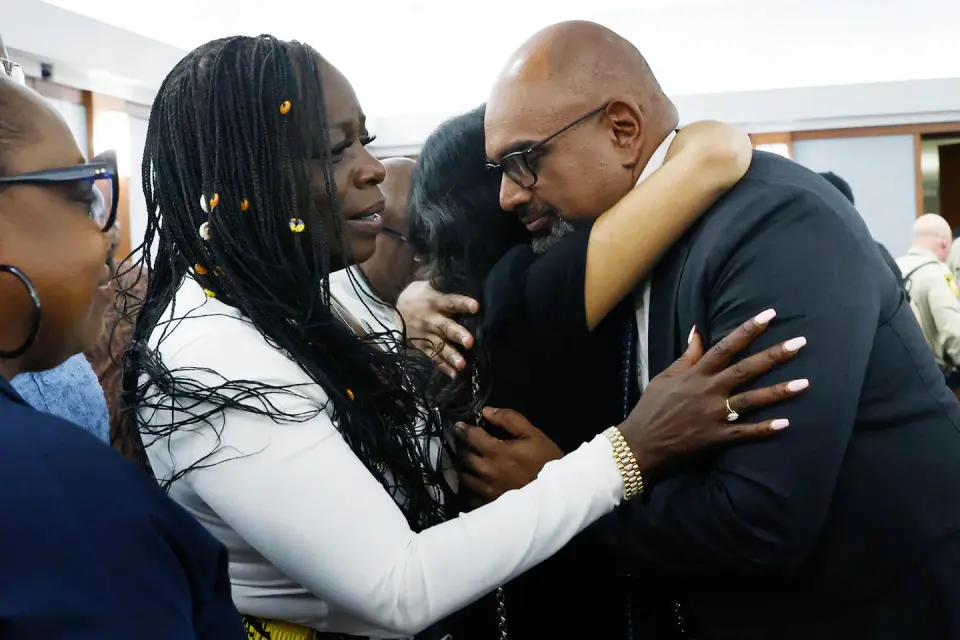
A Las Vegas jury has convicted Duane 'Keffe D' Davis of first-degree murder in the 1996 killing of rapper Tupac Shakur, marking the first criminal conviction in the 30-year-old case. The verdict, reached after less than three hours of deliberation, follows a trial where prosecutors relied heavily on Davis's own past statements and memoir. While Shakur's family expressed relief and gratitude, Davis's attorney has already signaled an appeal, arguing that evidence from a 2008 proffer agreement was unfairly used against him. Davis faces sentencing on October 13, with the possibility of a life sentence.
Key points
- Duane 'Keffe D' Davis was found guilty of first-degree murder with use of a deadly weapon in the 1996 death of Tupac Shakur.
- The jury deliberated for less than three hours before returning a unanimous guilty verdict.
- Prosecutors argued Davis orchestrated the shooting as revenge after his nephew was beaten by Shakur's associates.
- Davis's defense plans to appeal, challenging the admissibility of statements made during a 2008 federal proffer agreement.
- Sentencing is scheduled for October 13, 2026, where Davis could face life in prison.
Background
Tupac Shakur was shot on September 7, 1996, near the Las Vegas Strip and died six days later. For three decades, the case remained unsolved, with no one charged until Davis's public comments and 2019 memoir revived investigative interest. The 1990s were marked by significant cultural loss, including the deaths of both Shakur and Kurt Cobain, which shaped a generation's view of music and tragedy. This conviction closes a major chapter in that era's unresolved violence, though legal challenges remain.
How outlets are covering it
The Washington Post framed the verdict as a cultural milestone, emphasizing the emotional weight of the 1990s and the long delay in justice. NBC News focused on the legal strategy, highlighting the defense's plan to appeal based on the use of 2008 proffer statements. ABC News centered on the family's reaction, quoting cousin Aiysha Obafemi as 'elated and relieved,' while noting the family's gratitude toward the jury and marshals. All sources agree on the verdict's significance but differ in emphasis: The Post on cultural impact, NBC on legal technicalities, and ABC on emotional closure.
Why it matters
The conviction ends a 30-year cold case, providing legal closure for Shakur's family and fans. It also highlights the role of public statements and memoirs in reviving old cases. However, the planned appeal and the use of proffer agreements raise questions about the reliability of such evidence in criminal trials. The case underscores the lasting impact of 1990s gang violence and the slow pace of justice in high-profile cultural tragedies.
What to watch
Davis's sentencing is set for October 13, 2026, where he could face a life sentence. His attorney, Michael Sanft, has confirmed an appeal will be filed, focusing on the admissibility of 2008 proffer statements. The family has stated they will continue to honor Shakur's legacy, while the legal battle may extend for years. No other suspects have been charged, and the case remains the only prosecution in the 1996 killing.
- Column | The Tupac verdict dresses a wound from the traumatic 1990s The Washington Post
- Suge Knight behind Biggie murder, Diddy ‘scared to death’ of Suge, $1M claim unproven, Foxy Brown didn’t cooperate: Tupac prosecutors 8newsnow.com
- ‘Not the end of the movie’: Duane Davis’ lawyer on what’s next after Tupac murder verdict NBC News
- 'Elated and relieved': Tupac's family reacts to guilty verdict ABC News - Breaking News, Latest News and Videos
- Despite Duane Davis’s Conviction in Tupac Murder Trial, Some Still Seek Closure The New York Times
Want the full story? Read the original reporting
Read on The Washington Post