
Critics Clash Over Whether Rachel Cusk’s ‘Life of M’ Is a Portrait of Natalie Portman or a Study of Modern Fame
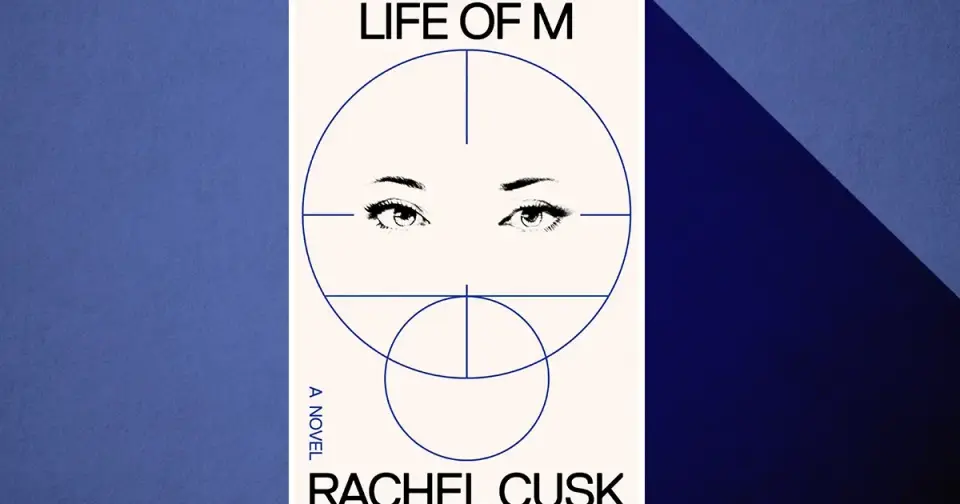
Rachel Cusk’s new novel, 'Life of M,' has ignited a debate over its connection to actress Natalie Portman. While the book features an unnamed celebrity whose life mirrors Portman’s, critics disagree on whether the work is a cruel exposé or a profound exploration of public identity. The novel, published by Farrar, Straus and Giroux, is praised for its psychological depth but criticized for its obtuse style and potential ethical violations regarding real people.
Key points
- The novel 'Life of M' was released on August 25, 2026, by Farrar, Straus and Giroux.
- The protagonist, 'M,' is widely believed to be based on Natalie Portman due to specific biographical parallels, including her early career and residence in Paris.
- The book is structured as a ghostwritten autobiography, featuring a narrator who struggles to capture the celebrity's authentic self.
- Cusk has previously faced legal challenges and public backlash for depicting real individuals in her fiction, such as in her 2009 memoir 'The Last Supper.'
- Critics are divided on the book's merit, with some calling it a masterpiece of interiority and others labeling it tedious and unkind.
Background
Rachel Cusk is known for her experimental, plotless novels, particularly her 'Outline' trilogy, which explores the boundaries between fiction and reality. Her 2009 memoir 'The Last Supper' was pulped in the UK after a libel lawsuit from a real person depicted in the book. Recent coverage in our archive highlights the ongoing controversy surrounding 'Life of M,' with earlier reports noting that Portman has remained silent on the matter, while legal experts debate the ethics of autofiction in the US and France.
How outlets are covering it
Vulture’s Emma Alpern argues that 'Life of M' is 'not very good,' criticizing Cusk’s writing as embellished and the portrayal of M as 'rudely' unkind. Alpern suggests the novel relies too heavily on external gossip and fails to deliver compelling narrative tension. In contrast, The Atlantic’s Sophie Gilbert frames the book as a 'grand confession' that raises ethical questions about autofiction, comparing Cusk’s methods to Janet Malcolm’s controversial journalism. The Los Angeles Times’ Marc Weingarten defends the novel, arguing that focusing on Portman misses the point; he views the book as a potent exploration of how all people navigate the gap between public and private personas in the age of social media. Book Riot highlights the intense public discourse, noting that readers are 'eating the discourse with a knife and fork,' while questioning if the controversy is a coordinated marketing effort.
Why it matters
The controversy surrounding 'Life of M' highlights the ongoing tension between literary freedom and privacy rights in the digital age. It raises questions about the ethics of writing about real people without consent and the blurring of lines between fiction and reality. The debate also reflects broader cultural anxieties about fame, authenticity, and the performative nature of identity in the 21st century.
What to watch
The book is now available for purchase, and readers are likely to form their own opinions on its merits and ethical implications. Cusk may face further scrutiny or legal challenges if Portman or other real individuals depicted in the book take action. The literary world will continue to debate the boundaries of autofiction and the responsibilities of authors when writing about real people.
- Rachel Cusk’s Alleged Natalie Portman Novel Is Not Very Good Vulture
- Who Is Rachel Cusk’s New Book Really About? The Atlantic
- Review: Some say this hot new novel is about Natalie Portman. They're missing the point Los Angeles Times
- Cusk’s ‘Life of M’ is cool, austere, and unforgettable The Boston Globe
- 📚 Book gossip is fired up Book Riot
Want the full story? Read the original reporting
Read on Vulture