
Greengrass’s ‘The Uprising’ Fails at Box Office Despite Robin Hood Marketing Pivot
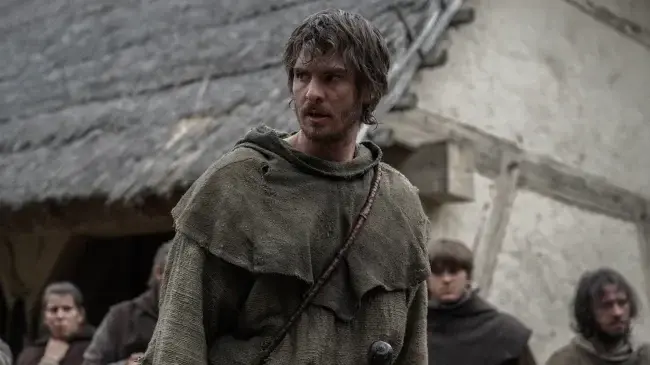
Paul Greengrass’s historical epic 'The Uprising' opened to a disappointing $3.25 million in North America, failing to recoup its $20 million production budget. Despite a last-minute marketing pivot to frame the film as a Robin Hood origin story, the movie received a B- CinemaScore and poor word-of-mouth. Critics and audiences criticized the film’s chaotic direction and Garfield’s physical casting, while the studio’s limited financial exposure mitigated the loss.
Key points
- The film earned $3.25 million from 2,068 theaters, far below expectations for a $20 million production.
- Focus Features abruptly rebranded the film as a Robin Hood origin story to boost interest, a move that generated headlines but not ticket sales.
- The film received a B- CinemaScore, indicating poor audience reception and limited word-of-mouth potential.
- The marketing pivot was controversial, with UK distributors denying any Robin Hood connection while US materials promoted it.
- The film’s failure mirrors the poor performance of A24’s 'The Death of Robin Hood,' suggesting a decline in audience interest for the character.
Background
The film had previously faced marketing confusion, with US and UK distributors issuing conflicting statements about its connection to the Robin Hood legend. Earlier coverage noted that Andrew Garfield framed the film as using 'Robin Hood energy' rather than depicting a literal character, and that the film received mixed critical reviews with a 55% Rotten Tomatoes score.
How outlets are covering it
IndieWire focuses on the financial failure and the broader trend of Robin Hood films underperforming, noting that Focus Features’ limited financial exposure mitigated the loss. The Globe and Mail criticizes the film’s direction and casting, calling it 'ungainly' and 'un-merry,' and highlights the marketing controversy as a case of 'bad decision-making.' The Conversation provides historical context, emphasizing that the 1381 Peasants’ Revolt was part of a broader tradition of medieval collective action, and notes that the film’s themes of anti-tax resistance and class struggle are historically grounded. The Washington Post highlights the film’s modern relevance, with Greengrass and Garfield drawing parallels between the 14th-century rebellion and contemporary activism, particularly the 'No Kings' protests against President Trump.
Why it matters
The film’s failure underscores the challenges of marketing historical epics in a modern market and the risks of last-minute branding pivots. It also highlights the declining popularity of Robin Hood as a box office draw, with multiple recent films about the character underperforming. The controversy over the marketing strategy raises questions about transparency in film promotion and the potential for audience backlash when a film’s identity is altered to fit a market trend.
What to watch
Focus Features is expected to absorb the financial loss, but the film’s poor word-of-mouth and low CinemaScore suggest limited potential for a strong domestic run. The film may find a more receptive audience in international markets, particularly in the UK, where the marketing was less controversial. The failure may also influence future marketing strategies for historical epics, with studios potentially avoiding last-minute pivots to avoid audience backlash.
- ‘The Uprising’ Bombs at Box Office Despite Last-Ditch Scramble to Market Film as Robin Hood Origin Story IndieWire
- ‘The Uprising’ Review: Sackcloth and Clashes The New York Times
- Andrew Garfield is no Prince of Thieves in ungainly, un-merry epic The Uprising The Globe and Mail
- ‘The Uprising’ shows how medieval people weren’t so obedient after all The Conversation
- The first No Kings movie is about a medieval peasant revolt and ‘people power’ The Washington Post
Want the full story? Read the original reporting
Read on IndieWire