
Paramount and State AGs Reject Booker's Criticism of Merger Settlement
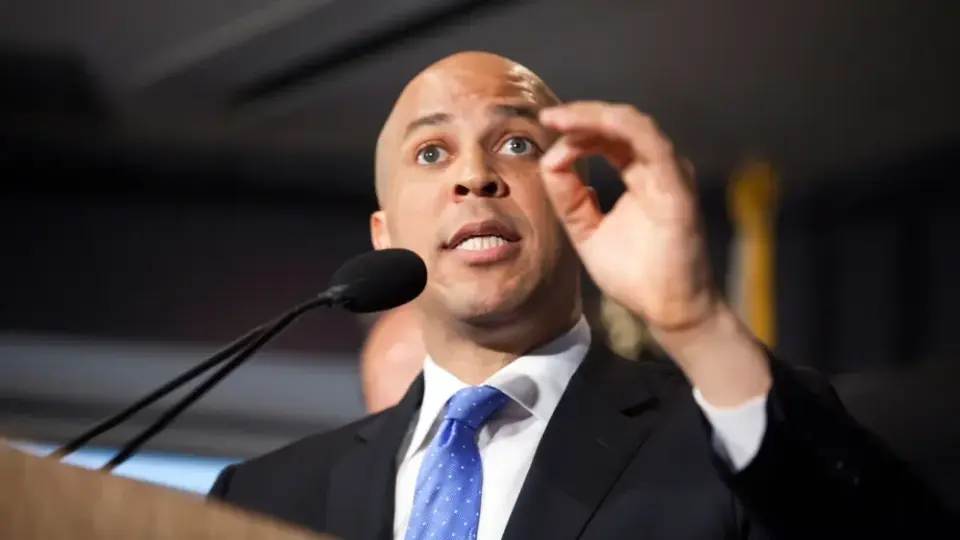
Paramount and 12 state attorneys general defended their antitrust settlement against Senator Cory Booker's objections, arguing the five-year deal is a fair compromise. Judge Martinez-Olguin has not yet approved the agreement, which remains in legal limbo.
Key points
- Paramount and 12 state attorneys general filed separate responses to Senator Cory Booker's objections, arguing the settlement is a valid compromise.
- Booker criticized the five-year term and the editorial independence board for CNN and CBS News, arguing the deal does not sufficiently address anticompetitive harms.
- Paramount argued the five-year term is reasonable given the fast-changing nature of the film and TV industry, while the states emphasized the deal's enforceable penalties.
- Judge Araceli Martinez-Olguin has not yet signed off on the consent decree, with a ruling expected in due course.
- The settlement includes commitments to maintain theatrical releases, boost film production spending, and preserve editorial independence for news divisions.
Background
The Paramount-Warner Bros. Discovery merger, valued at $111 billion, has faced significant opposition from Hollywood talent and political figures. Previous coverage highlighted concerns over job losses, reduced competition, and the influence of David Ellison's ties to President Trump. The settlement was reached after months of legal battles and public backlash, with critics arguing it does not adequately protect consumers or workers.
How outlets are covering it
Variety and Deadline emphasize the legal arguments made by Paramount and the state attorneys general, focusing on the enforceability and fairness of the settlement. The Los Angeles Times provides broader context on the challenges facing David Ellison, including financial pressures and industry opposition. Yahoo Finance focuses on the financial implications of the deal, noting the $110 billion valuation and the debt involved. All sources agree that the settlement is a compromise, but they differ in their emphasis on the legal, financial, and political dimensions of the merger.
Why it matters
The outcome of this antitrust case will determine whether the largest media merger in history proceeds, potentially reshaping the entertainment industry. The settlement's terms, including editorial independence and production commitments, will impact news coverage, job stability, and consumer choice. The case also highlights tensions between corporate consolidation and regulatory oversight in the media sector.
What to watch
Judge Araceli Martinez-Olguin is expected to issue a ruling on the consent decree in due course. If approved, the merger will proceed, and Paramount will face challenges in managing $80 billion in debt and repairing relationships with Hollywood talent. If rejected, the merger may be blocked, leading to further legal battles and potential financial penalties for both companies.
- Paramount and States Defend Antitrust Settlement From Sen. Booker’s Criticisms Variety
- After a bruising battle for Warner Bros., David Ellison faces daunting challenges in Hollywood Los Angeles Times
- A $111 Billion Hollywood Takeover With a Murky Future The Atlantic
- WBD’s $110 Billion Deal is Closer to Closing. What Does It Mean for WBD and PSKY? Yahoo Finance
- Paramount, Blue State AGs Hit Cory Booker Over Antitrust Suit Settlement Comments Deadline
Want the full story? Read the original reporting
Read on Variety