
Paramount-WBD Merger Nears Close Amid Legal Scrutiny and Industry Shifts
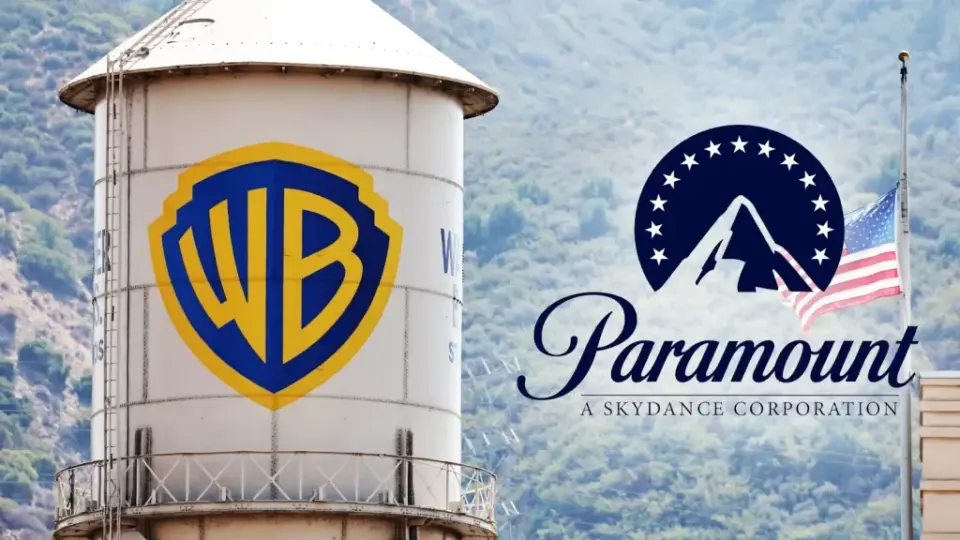
The $110 billion merger between Paramount and Warner Bros. Discovery is poised to close within two weeks, pending final judicial approval. While dealmakers view the transaction as a victory for traditional media against tech giants, legal hurdles remain. A federal judge delayed sign-off to review an antitrust settlement, prompting a $7.5 billion debt raise by Paramount. Critics, including California AG Rob Bonta and Senator Cory Booker, argue the settlement lacks adequate public scrutiny and structural remedies, though the deal aims to prevent Netflix’s total dominance of the streaming landscape.
Key points
- Paramount and Warner Bros. Discovery are expected to finalize their $110 billion merger within two weeks, contingent on federal judge approval.
- A settlement with 12 state attorneys general was reached on Monday, but Judge Araceli Martínez-Olguín delayed the hearing to address legal concerns.
- Paramount is raising an additional $7.5 billion in debt, bringing total new secured debt to approximately $44.4 billion to finance the acquisition.
- The settlement requires Paramount to invest $1.5 billion in U.S. film production over five years and release a minimum of 30 movies annually.
- California Attorney General Rob Bonta supported the settlement but emphasized it was not an endorsement of the merger, citing concerns over media consolidation.
- Senator Cory Booker requested an independent public-interest review, arguing the settlement lacked a competitive impact statement or public comment period.
Background
The merger follows a period of intense competition between traditional media conglomerates and tech-driven streaming platforms. Previous attempts by Netflix to acquire Warner Bros. Discovery were outbid by Paramount, led by CEO David Ellison. The deal has been controversial due to concerns over media consolidation, particularly regarding news outlets like CNN and CBS News. Earlier in 2026, Paramount faced antitrust lawsuits from 12 state attorneys general, alleging the combined entity would hold excessive power in theatrical and cable markets. The current settlement includes provisions for editorial independence boards and divestiture threats, marking a shift from previous 'structural' remedy demands.
How outlets are covering it
Deadline highlights the strategic victory for traditional media, with partners like David Hernand stating 'tech has won' in distribution but this deal allows traditional players to compete. Aaron Sobel of Apollo Global Management emphasizes the deal prevents Netflix from monopolizing the market, noting Paramount’s focus on IP. Conversely, The San Francisco Standard reports that California AG Rob Bonta’s support for the settlement is viewed skeptically by progressives, who call it a 'disastrous outcome' that ignores labor and journalistic concerns. Variety notes the legal friction, with Judge Martínez-Olguín questioning the settlement’s arm’s-length nature and Senator Cory Booker demanding a public-interest review. Paramount’s attorney Josh Holian rejects claims of 'blackmail' regarding potential relocation from California, while the Block the Merger coalition, including actors like Mark Ruffalo, opposes the deal as harmful to democracy and independent journalism.
Why it matters
The Paramount-WBD merger reshapes the global media landscape, creating a powerhouse that challenges tech giants like Netflix and Amazon. It influences employment in Hollywood, with commitments to U.S. production and job preservation. The legal battle sets a precedent for antitrust scrutiny of media consolidation, affecting future deals involving news and entertainment. Additionally, the financial structure, including $44.4 billion in new debt, impacts market stability and investor confidence in the entertainment sector.
What to watch
Judge Martínez-Olguín will issue a ruling on the settlement in 'due course,' with parties required to submit replies to Senator Booker’s request by September 28. Paramount faces a daily fee of $7 million starting October 1 if the merger is delayed. The combined entity must adhere to a five-year compliance period, including movie output minimums and editorial independence monitoring. Further M&A activity is expected, with potential spin-offs or mergits involving Comcast and NBCUniversal, as industry players adapt to the new competitive landscape.
- Dealmakers React To Paramount-WBD Settlement: "Tech Has Won" deadline.com
- Paramount Antitrust Suit Settlement Delayed; California AG Reacts deadline.com
- L.A. Comes to Grips With a Studio Merger Many Didn’t Want WSJ
- Rob Bonta had a tough week. Is more bad news ahead for California’s AG? The San Francisco Standard
- Judge Questions Legal Points of Paramount's Settlement With States at Hearing Variety
Want the full story? Read the original reporting
Read on deadline.com