
Skydance Launches with Tech-First Vision and Layoff Warnings
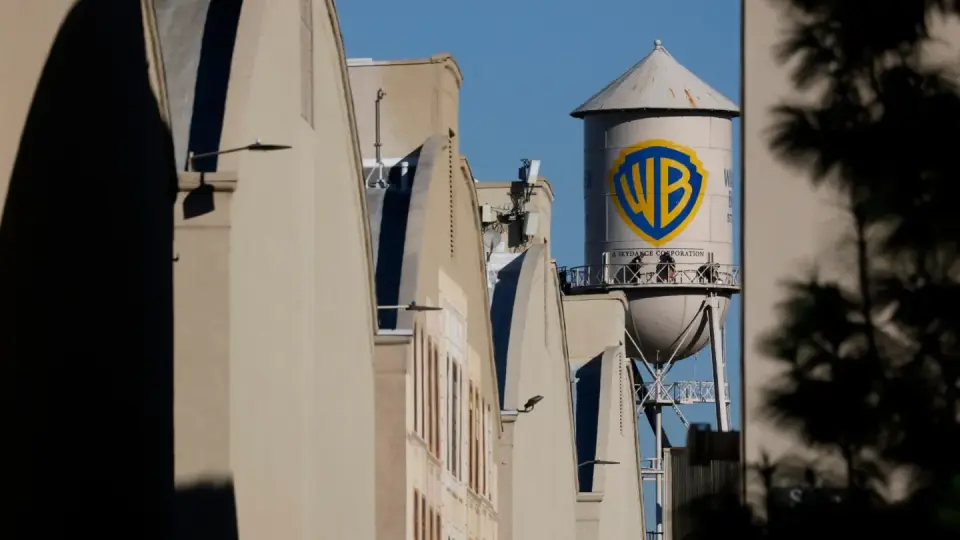
The $110 billion merger of Paramount and Warner Bros. Discovery officially closed on October 6, 2026, creating Skydance Corp. CEO David Ellison and co-CEO Ynon Kreiz addressed staff in Burbank, promising a tech-driven future but acknowledging upcoming layoffs. The new entity aims to rival Silicon Valley giants by unifying streaming services and leveraging AI, while facing significant debt and workforce reduction pressures.
Key points
- The merger of Paramount and Warner Bros. Discovery closed on October 6, 2026, forming Skydance Corp.
- David Ellison and Ynon Kreiz addressed employees at the Warner Bros. lot, emphasizing a 'Day 1' mentality and the need to compete with major tech companies.
- Leadership acknowledged that 'difficult decisions' and layoffs are inevitable to achieve cost savings and integration.
- The company plans to unify streaming platforms, including HBO Max and Paramount+, into a single service over time.
- Skydance aims to leverage artificial intelligence and technology to improve content creation and distribution, positioning itself as a tech-forward media company.
Background
The merger follows a year-long acquisition process initiated by David Ellison, who took control of Paramount in August 2025. Previous coverage indicated Ellison was deciding on the corporate name, ultimately choosing 'Skydance' while preserving legacy studio brands. The deal, valued at approximately $110 billion, was backed by significant equity from Larry Ellison and faced scrutiny from unions and state attorneys general over potential market concentration. Warner Bros. CEO David Zaslav exited with a substantial payout, and the new entity carries roughly $80 billion in debt.
How outlets are covering it
The Hollywood Reporter and Variety highlight the internal messaging to staff, focusing on the 'Day 1' spirit and the promise of a respectful but painful integration process. Variety obtained the full memo, which explicitly mentions workforce reductions. CNN emphasizes the strategic pivot toward technology, noting the hiring of Silicon Valley veterans and the goal to compete with platforms like YouTube and TikTok. Vox criticizes the merger for concentrating media power in the hands of five companies, arguing it may limit creative diversity and increase costs for consumers. While THR and Variety focus on the corporate culture and immediate operational changes, CNN and Vox analyze the broader industry implications and competitive landscape.
Why it matters
The formation of Skydance marks a significant consolidation in the media industry, creating a new global competitor with over 200 million streaming subscribers. The merger's success will depend on its ability to integrate disparate tech platforms and execute cost-cutting measures without stifling creative output. The move signals a shift in Hollywood toward tech-driven business models, potentially reshaping how content is produced, distributed, and consumed in the coming years.
What to watch
Skydance will begin the integration process, including the unification of streaming services and the implementation of AI tools. Layoffs are expected to follow as the company seeks to achieve over $6 billion in annualized cost savings over three years. The company will also focus on improving its tech stack to compete with Silicon Valley rivals. David Ellison is scheduled to ring the opening bell on Wall Street later this week.
- David Ellison Rallies the Troops at Warner Bros.’ Lot The Hollywood Reporter
- Skydance CEOs Acknowledge Layoffs Will Be Coming After Paramount-Warner Bros. Merger: Read the Full Memo Variety
- Movies may soon get more boring www.vox.com
- David Ellison has built a Hollywood giant in Skydance. Now he wants to make it a tech company CNN
- Paramount closes historic $110B deal for Warner Bros. Discovery to create Skydance Axios
Want the full story? Read the original reporting
Read on The Hollywood Reporter