
D4vd Trial Set After Judge Finds Evidence Sufficient Despite Missing Murder Weapon
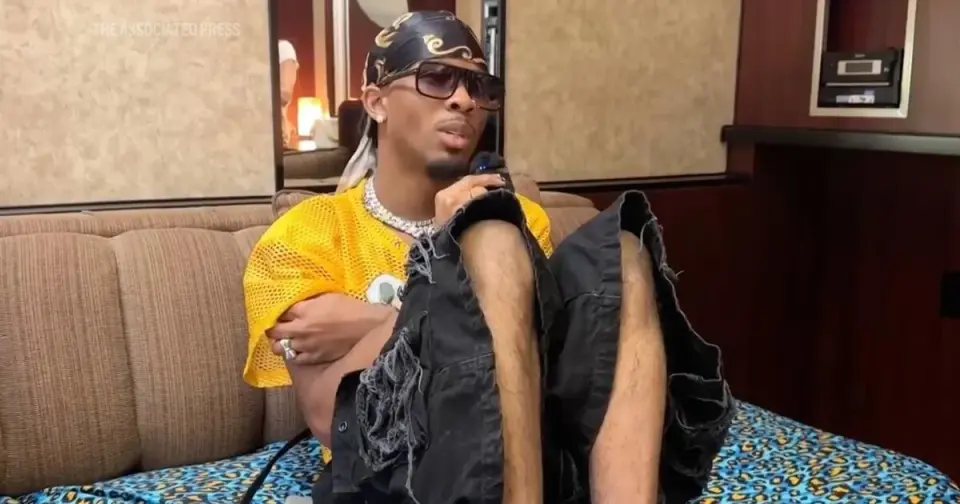
A Los Angeles judge has cleared the case for trial, ruling that singer David Burke, known as D4vd, faces sufficient evidence for first-degree murder, sexual abuse, and mutilation charges regarding the death of 14-year-old Celeste Rivas Hernandez. While prosecutors presented extensive text messages and forensic evidence, they failed to produce a murder weapon or direct witnesses to the killing. Burke remains jailed without bail, with an arraignment scheduled for August 31, 2026.
Key points
- Judge Charlaine Olmedo ruled on July 27, 2026, that there is probable cause to try Burke for the April 23, 2025, murder and dismemberment of Hernandez.
- Prosecutors presented hundreds of text messages showing a relationship spanning from 2022 to 2025, including evidence of Hernandez’s pregnancy and subsequent abortion.
- Hernandez’s remains were discovered in the front trunk of Burke’s Tesla in September 2025, months after she was reported missing.
- Burke is charged with first-degree murder with special circumstances, continuous sexual abuse of a child, and mutilation of human remains.
- The defense has not yet called witnesses, but attorneys have suggested the possibility of self-defense or that Hernandez harmed herself.
Background
This case gained national attention in 2026 due to the victim’s young age and the gruesome nature of the crime. Earlier coverage noted that Burke, a rising star on platforms like TikTok, had his world tour cancelled after the body was found. The preliminary hearing followed months of investigation by the Los Angeles Police Department and the District Attorney’s office, which had previously filed seven criminal charges against the 21-year-old singer.
How outlets are covering it
The Los Angeles Times and CNN emphasize the strength of the circumstantial evidence, particularly the text messages and forensic findings, while noting the absence of a murder weapon. CNN highlights the defense’s argument that the chainsaws recovered from Burke’s home lacked blood or DNA, suggesting they were not used in the crime. The BBC focuses heavily on the sexual abuse aspect, detailing texts where Burke discussed the abortion with the 13-year-old victim. All sources agree that the relationship was known to Hernandez’s family, but they differ on the interpretation of this fact: prosecutors view it as grooming, while the defense may argue consent or lack of intent to kill. Legal experts cited by the LA Times warn that the lack of direct witnesses to the murder could create reasonable doubt at trial.
Why it matters
The case highlights the legal challenges in prosecuting high-profile crimes where physical evidence is missing but digital evidence is abundant. It also raises questions about the death penalty in California, as Burke faces life without parole or capital punishment, though a moratorium currently prevents execution. The outcome will set precedents for cases involving digital evidence in homicide investigations.
What to watch
Burke is scheduled to return to court on August 31, 2026, for a post-preliminary hearing arraignment. A trial could be scheduled within 60 to 90 days of that date. Prosecutors must decide whether to seek the death penalty, though California’s moratorium makes execution unlikely. The defense may present witnesses to challenge the circumstantial nature of the evidence.
- D4vd murder case: What happens next — and could he be found not guilty? Los Angeles Times
- Celeste Rivas Hernandez Was Not Pregnant at Time of Killing, DA Says (Exclusive) people.com
- Los Angeles judge rules there’s enough evidence to go to trial in singer d4vd’s murder case CNN
- Teen who singer D4vd is accused of killing had multiple abortions, texts reveal BBC
- D4vd Murder Case Can Go to Trial, Judge Rules The New York Times
Want the full story? Read the original reporting
Read on Los Angeles Times