
Decades-Old Tupac Shakur Murder Trial Begins in Las Vegas
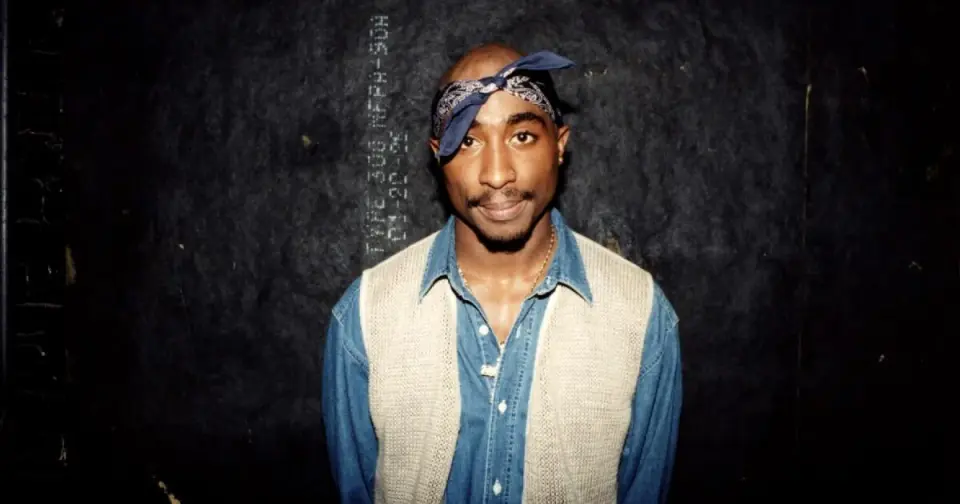
Duane 'Keffe D' Davis, a former Compton gang leader, is on trial in Las Vegas for orchestrating the 1996 murder of rapper Tupac Shakur. Prosecutors argue Davis provided the gun and masterminded the drive-by shooting as revenge for a gang feud, relying heavily on his own past admissions and a 2019 memoir. Davis has pleaded not guilty, claiming his previous statements were fabricated for financial gain. The trial, which began with jury selection, is expected to last one month and could result in a life sentence if he is convicted.
Key points
- Duane 'Keffe D' Davis, 63, faces a single charge of murder with a deadly weapon with intent to promote a criminal gang for the 1996 killing of Tupac Shakur.
- Prosecutors are not accusing Davis of firing the gun but of supplying the weapon and orchestrating the attack in retaliation for a beating of his cousin, Orlando 'Baby Lane' Anderson, by associates of Suge Knight.
- The prosecution's case relies on Davis's own statements, including a 2019 memoir titled 'Compton Street Legend' and interviews with police and media, which he has since disavowed as fiction written by a ghostwriter to make money.
- Davis has pleaded not guilty and claims he was not in Las Vegas or the vehicle involved in the shooting, blaming a former Death Row Records security head instead.
- The trial is expected to last approximately one month, with prosecutors calling witnesses to corroborate Davis's past admissions, while his defense argues his statements were made for entertainment purposes only.
- Suge Knight, the former Death Row Records boss who was driving the car when Shakur was shot, has stated he will not cooperate with the trial and is currently serving a prison sentence for an unrelated manslaughter case.
Background
This trial is the first criminal prosecution related to the 1996 death of Tupac Shakur, which occurred during a drive-by shooting in Las Vegas while he was riding in a car driven by Suge Knight. The case has been the subject of extensive speculation, documentaries, and police investigations for nearly three decades. Previous coverage from our archive in August 2026 noted that the trial was expected to last about a month and that the prosecution would call 35-45 witnesses, including gang experts and figures from Shakur's circle. The case is also linked to a civil lawsuit filed by Shakur's family and has been framed by some as a culmination of the East Coast-West Coast hip-hop rivalry between Death Row Records and Bad Boy Records.
How outlets are covering it
The Los Angeles Times and The Hollywood Reporter both report that the trial has begun with jury selection and that Davis is accused of orchestrating the murder and providing the gun, not firing it. Both outlets note that Davis has pleaded not guilty and has disavowed his previous statements, claiming they were fabricated. The Los Angeles Times emphasizes the legal challenges prosecutors face in corroborating Davis's admissions with independent evidence, given the age of the case and the lack of forensic evidence, while The Hollywood Reporter highlights the defense's argument that Davis's statements were made for entertainment purposes to promote his memoir. Both outlets note that Suge Knight has stated he will not cooperate with the trial. The Los Angeles Times provides more detail on the specific accounts Davis gave in his memoir and interviews, while The Hollywood Reporter focuses more on the broader context of the hip-hop rivalry and the potential impact of the trial on the unresolved case.
Why it matters
This trial is significant because it is the first criminal prosecution related to the 1996 murder of Tupac Shakur, one of the most famous unresolved cases in pop culture. The outcome could provide long-sought answers about the circumstances of his death and potentially hold someone accountable for the first time. The trial also highlights the challenges of prosecuting cases that are decades old, with limited forensic evidence and reliance on the defendant's own past statements, which he has since disavowed. The case has the potential to reframe decades of speculation and may have implications for other unresolved cases related to the hip-hop industry and gang violence in the 1990s.
What to watch
The trial is expected to last about one month, with prosecutors calling witnesses to corroborate Davis's past admissions and his defense arguing that his statements were fabricated. If Davis is convicted, he faces life in prison. The trial will likely not reveal who fired the fatal shots, but it could establish Davis as the shot caller. The outcome of the trial will be closely watched by the public and may have implications for other unresolved cases related to the hip-hop industry and gang violence in the 1990s.
- He was an ‘expert’ on the Tupac Shakur murder mystery. Now he’s on trial for killing rapper Los Angeles Times
- Tupac Shakur shooter ‘is no longer with us,’ Digital Underground’s Money B says NewsNation
- Jury selection begins for ex-gang leader charged with Tupac Shakur's 1996 murder Reuters
- Tupac’s Murder Case Heads to Trial, 30 Years After Rap Icon’s Death The Hollywood Reporter
- WRAP UP: Jury selection enters second day in Tupac Shakur murder trial KSNV
Want the full story? Read the original reporting
Read on Los Angeles Times