
Russell Brand Convicted of Rape and Sexual Assault, Sentenced to 10.5 Years
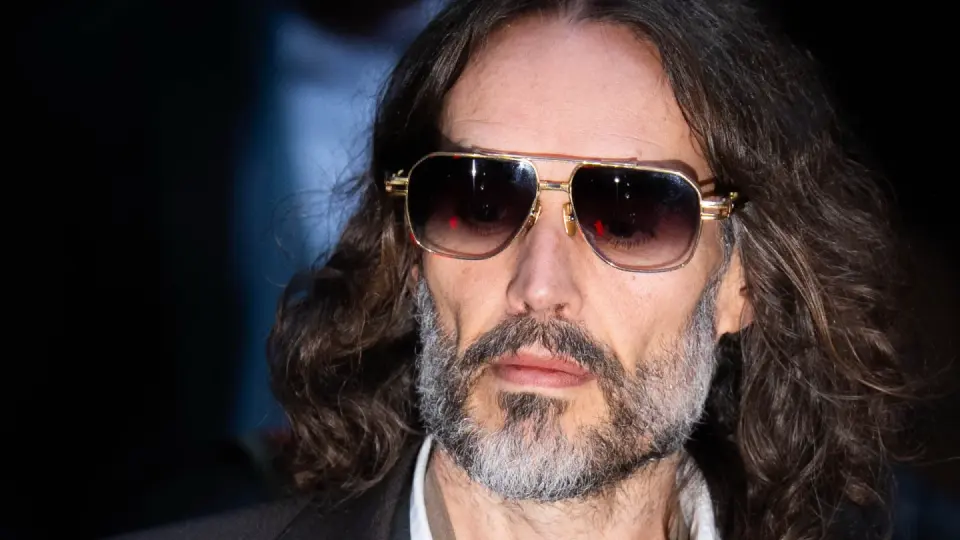
British comedian Russell Brand has been sentenced to 10 years and six months in prison after a jury found him guilty of one count of rape and three counts of sexual assault. The conviction follows a high-profile trial at Southwark Crown Court, where Brand was accused of offenses committed between 2004 and 2009. While he was acquitted of two additional rape charges and one count of attempted indecent assault, the verdict marks a significant precedent in holding entertainment industry figures accountable for sexual misconduct. The case highlights the role of investigative journalism in exposing long-standing allegations and the impact of freelance employment structures on victim reporting.
Key points
- Brand was sentenced to 10 years and six months by Justice Joel Bennathan on November 9, 2026, at Southwark Crown Court.
- The jury found Brand guilty of one rape and three sexual assaults involving four women, with offenses occurring between 2004 and 2009.
- Brand was acquitted of two additional rape charges and one count of attempted indecent assault, having faced seven counts in total.
- Investigative reporting by Channel 4 and The Sunday Times, led by Dorothy Byrne and others, was credited with prompting victims to come forward.
- Brand’s defense argued that media investigations 'poisoned the well of justice,' a claim the jury rejected.
- The conviction has triggered a broader reckoning in the UK entertainment industry, including new allegations against comedian David Walliams.
Background
Russell Brand, known for roles in films like 'Forgetting Sarah Marshall' and 'Rock of Ages,' was a prominent figure in British comedy and television before his conviction. His career included hosting shows such as 'Big Brother’s Big Mouth' and 'The Big Fat Quiz of the Year.' The case follows a 2023 investigation by Channel 4 and The Sunday Times that exposed allegations of misconduct. Brand’s legal team, led by barrister Ian Winter, attempted to discredit the media's role in the case, but the jury found the evidence compelling. The conviction coincides with a broader cultural shift in holding powerful figures accountable, as seen in the recent allegations against David Walliams.
How outlets are covering it
The Hollywood Reporter emphasizes the role of investigative journalism and the courage of victims in securing the conviction, highlighting the work of reporters Rosamund Urwin and Charlotte Wace. It also notes the defense's attempt to blame the media, which was rejected by the jury. Variety focuses on the cultural fallout, such as the removal of Brand’s pubic hair from a London museum, symbolizing the end of his public persona. Both sources agree on the significance of the conviction as a precedent, but THR places more weight on the systemic issues in the entertainment industry, such as freelance employment and workplace culture, while Variety highlights the symbolic and cultural reactions. The Hollywood Reporter also notes the potential for more victims to come forward, citing the Metropolitan Police's ongoing investigation into two additional alleged rapes.
Why it matters
The conviction of Russell Brand sets a precedent for holding high-profile entertainment figures accountable for sexual misconduct, challenging the notion that fame and power can shield individuals from legal consequences. It underscores the importance of investigative journalism in uncovering long-buried allegations and the need for stronger protections for victims in freelance-heavy industries. The case also highlights the cultural shift in addressing sexual violence, as seen in the concurrent allegations against David Walliams, and may encourage more victims to come forward. Additionally, it raises questions about the role of media in shaping public perception and the legal system's response to celebrity crimes.
What to watch
Brand will serve his sentence at HMP Wandsworth, with an expected stay of seven years. The Metropolitan Police is investigating two additional alleged rapes, which may lead to further charges. Civil cases are expected to follow, allowing victims to seek compensation. The UK’s Employment Rights Act, set to take effect in 2026 and 2027, may strengthen workplace harassment protections and whistleblower safeguards. The case may also influence public discourse on the role of media in criminal investigations and the need for stronger legal frameworks to protect victims in the entertainment industry.
- “Evil All Along”: How Russell Brand Got Caught The Hollywood Reporter
- What Russell Brand Can Expect in a U.K. Prison The New York Times
- Russell Brand's social media accounts disabled by Meta BBC
- British police say assessing further reports about Russell Brand Reuters
- Russell Brand Pubic Hair Removed From London Museum After Conivction Variety
Want the full story? Read the original reporting
Read on The Hollywood Reporter