
Susan Smith Seeks Parole Again for 1994 Sons' Drowning
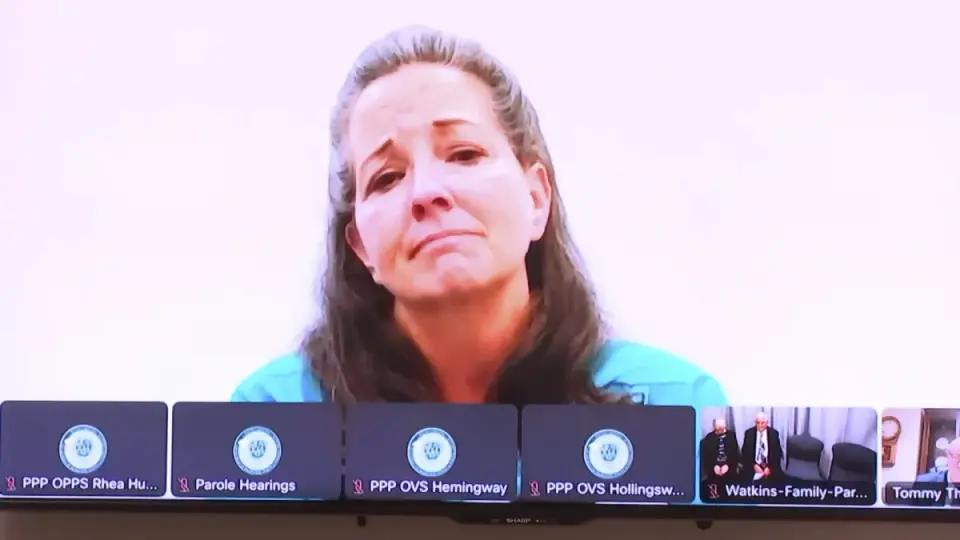
Susan Smith, 55, faces a second parole hearing on November 19 for the 1994 drowning of her two sons in South Carolina. She was convicted of the murders but spared the death penalty. Under state law, she became eligible for parole after 30 years. Her first request in 2024 was unanimously denied. The parole board grants release in only 4% of cases, mostly non-violent ones. Smith will appear via video, needing a two-thirds vote to be freed. Her ex-husband and original prosecutors plan to oppose her release. The case remains highly publicized due to her initial false claims of a carjacking.
Key points
- Smith is 55 and was sentenced to life in prison in 1994 for drowning her sons, Michael (3) and Alex (14 months), in John D. Long Lake.
- South Carolina law allowed her to request parole after 30 years, with subsequent requests every two years if denied.
- The parole board unanimously denied her first request in 2024.
- Smith must secure a two-thirds majority from the seven-member board to be released.
- The board granted parole in only 4% of cases in the past, primarily for non-violent offenses.
- David Smith, the boys' father, and original prosecutors plan to travel to Columbia to oppose her release.
Background
This is Smith's second parole attempt since her 1994 conviction. Her first request in 2024 was rejected unanimously. The case gained international attention in 1994 when Smith falsely claimed a carjacking, sparking widespread fear and racial tensions. She eventually confessed after nine days of public pleas. The 1994 trial resulted in a life sentence without the death penalty. Recent archive coverage confirms the November 19 hearing date and David Smith's ongoing opposition to her release.
Why it matters
This hearing highlights the rigid standards for parole in violent cases and the enduring impact of high-profile crimes on public perception. It also underscores the role of victim advocacy and family opposition in parole decisions. The case remains a touchstone for discussions on criminal justice, remorse, and the long-term consequences of false accusations.
What to watch
The parole board will vote on Smith's request following the virtual hearing. If denied, she can apply again in two years. David Smith and prosecutors will present their opposition in Columbia. Smith's legal team will likely argue she poses a low risk and has no other criminal history.
Want the full story? Read the original reporting
Read on AP News