
Russell Brand Begins 10-Year Prison Sentence at Wandsworth After Rape Conviction
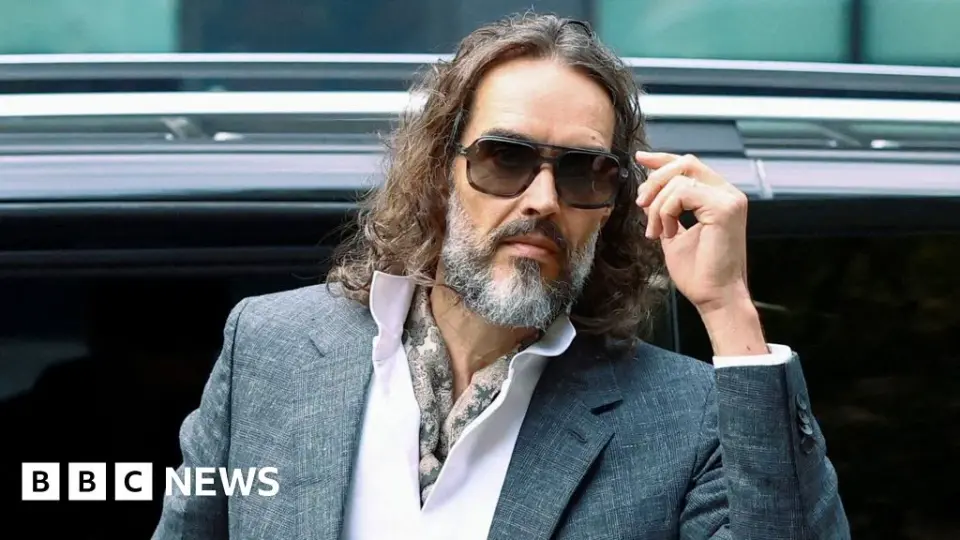
British comedian Russell Brand has begun a 10-year, six-month prison sentence after being convicted of one count of rape and three counts of sexual assault. He was initially transferred to Wandsworth Prison, a facility with a poor safety record, while Meta permanently deleted his social media accounts. The case has triggered a broader reckoning in UK comedy, coinciding with new allegations against comedian David Walliams.
Key points
- Judge Bennathan sentenced Brand to 10 years and six months at Southwark Crown Court on Nov. 9, 2026, following a jury verdict on four of seven charges.
- Brand was initially taken to Wandsworth Prison, which an independent report described as having 'unsanitary and squalid' conditions and high rates of assault.
- Meta permanently disabled Brand's Instagram and Facebook accounts, citing community standards violations, while his X account remains active.
- A London museum removed a lock of Brand's pubic hair from its collection following the conviction.
- The conviction has intensified scrutiny of UK comedy, coinciding with grooming allegations against comedian David Walliams.
Background
Brand, 51, was a prominent figure in British media and politics before his trial. His case followed a four-week trial where six women testified. The conviction marks a significant legal outcome for a high-profile celebrity, contrasting with his previous public persona as a political commentator and Christian convert.
How outlets are covering it
The New York Times emphasized the harsh conditions of Wandsworth Prison, noting overcrowding and safety risks, while suggesting Brand might be transferred to a specialist facility for sex offenders. NPR focused on the legal proceedings, highlighting the judge's characterization of Brand as a 'sexual predator' and the emotional impact statements from victims. Variety reported on the cultural fallout, specifically the removal of Brand's memorabilia from a London museum. BBC reported on the digital aftermath, noting Meta's decision to disable his accounts, a move Brand criticized on X. While all sources agree on the conviction and sentence, they differ in focus: NYT on prison conditions, NPR on the trial, Variety on cultural artifacts, and BBC on social media policy.
Why it matters
The case represents a major legal and cultural shift in the UK, holding a high-profile celebrity accountable for sexual crimes. It highlights the conditions of the British prison system and the rapid response of tech platforms to criminal convictions. The timing alongside allegations against David Walliams suggests a broader industry reckoning regarding misconduct in comedy and media.
What to watch
A risk assessment board will determine if Brand is transferred from Wandsworth to a specialist prison for sex offenders, such as Whatton. His location may change multiple times during his sentence. The broader impact on UK comedy and media standards will likely continue as the Walliams allegations develop.
- Russell Brand's social media accounts disabled by Meta BBC
- What Russell Brand Can Expect in a U.K. Prison The New York Times
- British police say assessing further reports about Russell Brand Reuters
- British comedian Russell Brand sentenced to over 10 years for rape and sexual assault NPR
- Russell Brand Pubic Hair Removed From London Museum After Conivction Variety
Want the full story? Read the original reporting
Read on BBC