
Tupac Conviction Sparks Debate on Reviving Biggie Smalls Cold Case
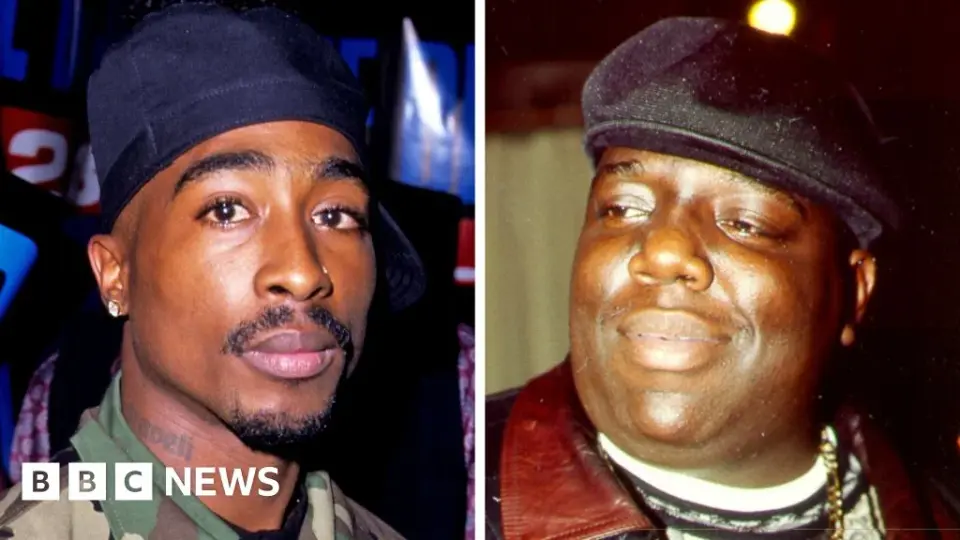
Duane 'Keffe D' Davis was convicted of first-degree murder for orchestrating the 1996 killing of Tupac Shakur, ending a 30-year investigation. The verdict, based largely on Davis's own admissions, has prompted calls to reopen the unsolved 1997 murder of rival rapper Notorious B.I.G., though LAPD officials maintain their investigation remains active.
Key points
- A Las Vegas jury convicted 63-year-old Duane Davis of first-degree murder on August 31, 2026, nearly 30 years after the shooting that killed Tupac Shakur.
- Prosecutors argued Davis orchestrated the attack as revenge for a prior assault on his nephew, Orlando Anderson, who was the actual gunman but died in 1998.
- The case lacked physical evidence, such as a murder weapon or DNA, relying instead on Davis's inconsistent statements in memoirs, interviews, and police interrogations.
- Davis's defense attorney argued the defendant was a liar motivated by financial gain, but the jury returned a guilty verdict in less than three hours.
- The conviction has led observers to question whether it will inspire new efforts to solve the 1997 murder of Christopher 'Biggie Smalls' Wallace, which occurred under similar circumstances in Los Angeles.
Background
The 1996 and 1997 murders of Tupac Shakur and Notorious B.I.G. are central to 1990s hip-hop history, symbolizing the East Coast-West Coast rivalry. Both artists were killed in drive-by shootings in Los Vegas and Los Angeles, respectively, within months of each other. For decades, both cases remained unsolved, generating numerous conspiracy theories and documentaries. Recent archival coverage noted that evidence from the Biggie case had previously influenced the Tupac investigation, though no arrests were made in the Wallace case until now.
How outlets are covering it
CNN and The Washington Post emphasized the legal significance of the verdict, noting the lack of direct physical evidence and the jury's reliance on Davis's own admissions. The Fader highlighted the gang dynamics, identifying Davis as a leader of the South Side Compton Crips. The BBC focused on the cultural impact, suggesting the Tupac conviction might embolden prosecutors in Los Angeles to revisit the Biggie Smalls case. While The Fader and CNN focused on the trial mechanics, the BBC and The Washington Post drew parallels between the two unsolved cases, noting that Wallace's name appeared during the Davis trial. LAPD officials, however, stated the Wallace case remains open but did not confirm any new investigative steps.
Why it matters
The conviction provides long-sought closure for Shakur's family and the public, resolving one of the most famous unsolved murders in pop culture. It also highlights the potential for cold case breakthroughs when suspects provide their own testimony, potentially influencing how other high-profile unsolved cases, such as the murder of Notorious B.I.G., are approached by law enforcement.
What to watch
Duane Davis is scheduled for sentencing on October 13, 2026, where he faces a potential life sentence without the possibility of parole. He has requested an appeal. Meanwhile, the LAPD has urged the public to provide tips regarding the unsolved 1997 murder of Christopher Wallace, though no new arrests have been announced.
- Could Tupac verdict inspire new efforts to find killer of his rival the Notorious B.I.G.? BBC
- A 30-year wait for justice in Tupac’s killing ends with a murder conviction in under 3 hours CNN
- Man convicted in 1996 killing of Tupac Shakur The Fader
- Ex-gang leader convicted of murder 30 years after Tupac Shakur’s death The Washington Post
- Tupac Shakur Was at His Cultural Peak When He Was Killed The New York Times
Want the full story? Read the original reporting
Read on BBC