
Tupac Murder Conviction Exposes 27-Year Police Failure, Sparks Davis Appeal
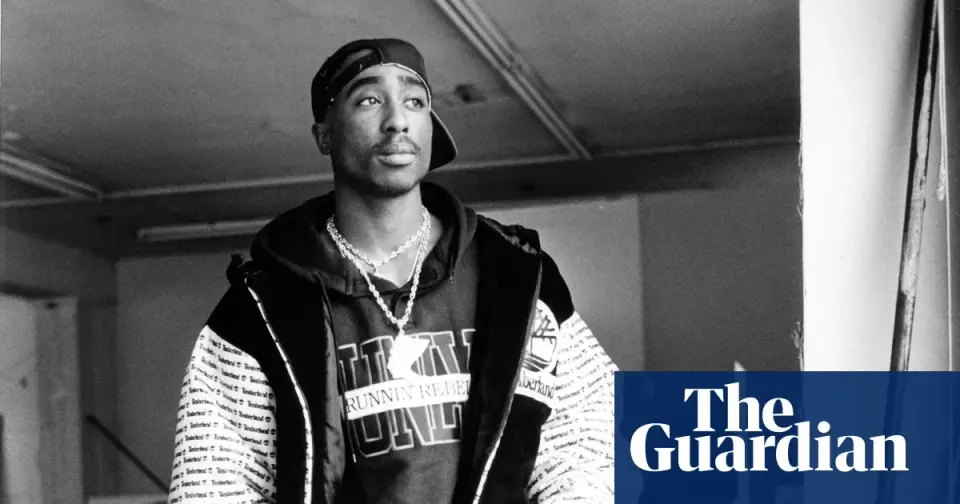
A Las Vegas jury convicted Duane 'Keffe D' Davis of first-degree murder in Tupac Shakur's 1996 killing, ending a 27-year investigation. The verdict, reached in under three hours, relied heavily on Davis's own admissions and a 2019 memoir, despite a lack of physical evidence. Davis has requested an appeal, citing witness dishonesty and a prior federal immunity deal.
Key points
- A 12-person jury in Clark County, Nevada, found Duane Davis guilty of first-degree murder in less than three hours, making him the first person held legally accountable for Shakur's death.
- The prosecution's case relied on circumstantial evidence, including Davis's 2019 memoir 'Compton Street Legend' and prior statements to police, as no murder weapon, DNA, or fingerprints linked him to the scene.
- Davis was arrested in 2023, 27 years after the shooting, despite police receiving information about the suspect nearly immediately after the 1996 killing.
- Davis faces a life sentence without parole, with sentencing scheduled for October 13, 2026.
- Davis's defense argued that his memoir was ghostwritten and that his prior federal proffer agreement should supersede the state conviction.
Background
Tupac Shakur was shot in Las Vegas in September 1996 and died days later. The case remained unsolved for decades, fueling widespread conspiracy theories and cultural fascination. The 2026 trial marked the first major legal attempt to hold a suspect accountable, following years of investigative dead ends and the deaths of other alleged suspects.
How outlets are covering it
The Guardian emphasizes the systemic failure of Las Vegas police, highlighting the 27-year gap between the crime and the arrest. CNN focuses on the emotional impact on Shakur's family and the jury's swift decision, noting the lack of direct physical evidence. Rolling Stone reports on Davis's post-conviction interview, where he maintains his innocence and accuses witnesses of lying. Yahoo notes Davis's claim that he is 'not worried' due to a prior federal immunity deal, contrasting with the state's 'slam dunk' assessment.
Why it matters
The conviction closes a high-profile cultural case but raises questions about the reliability of evidence gathered decades after a crime. It highlights the challenges of prosecuting cases based on circumstantial and self-incriminating evidence without physical proof, while also exposing long-standing gaps in police investigative follow-up.
What to watch
Davis is scheduled for sentencing on October 13, 2026. His legal team plans to file an appeal, arguing that his federal immunity agreement and witness credibility issues should overturn the conviction. The case may continue through the Nevada court system for years.
- Tupac trial spotlights decades of US police failures in solving the case The Guardian
- A 30-year wait for justice in Tupac’s killing ends with a murder conviction in under 3 hours CNN
- Duane ‘Keffe D’ Davis Says ‘I’m Innocent’ in First Interview Since Tupac Murder Conviction rollingstone.com
- Keffe D says he's 'not worried' after conviction in Tupac Shakur's murder Yahoo
- Jury finds ex-gang leader guilty of murder in Tupac case Reuters
Want the full story? Read the original reporting
Read on The Guardian