
Goldsmith admits Brand violence, defends gag order against accuser
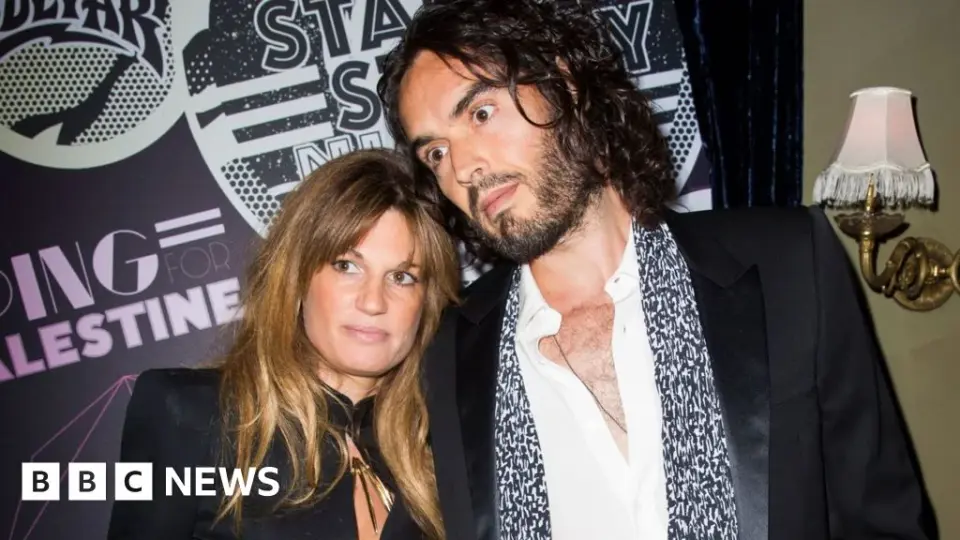
Jemima Goldsmith has accused Russell Brand of physical abuse and coercive control, stating she called police to remove him from her home in 2014 but did not press charges. She defended a 2015 harassment injunction against massage therapist Szilvia Berki, claiming it was necessary to stop harassment of her family. Brand was sentenced to 10.5 years in prison for rape and sexual assault. Tax Policy Associates argues the injunction was a 'libel in disguise' that permanently silenced Berki, while Goldsmith maintains she acted to protect her children.
Key points
- Jemima Goldsmith, 52, stated she experienced 'violence, coercive control and abuse' from Russell Brand during their relationship, which ended in September 2014.
- Goldsmith confirmed she called police to remove Brand from her home during a violent incident in 2014 but chose not to press charges to protect her teenage children.
- Russell Brand, 51, was sentenced to 10.5 years in prison on Monday after being convicted of one rape and three sexual assaults between 2004 and 2009.
- Goldsmith defended a 2015 harassment injunction against Szilvia Berki, a massage therapist who alleged Brand assaulted her in 2014, stating the order was to stop Berki's 'vicious antisemitic and threatening' messages.
- Tax Policy Associates obtained the injunction document, arguing it went beyond harassment prevention to ban Berki from speaking to police, journalists, or family, effectively silencing her for life.
- Goldsmith stated she assisted journalists who exposed Brand in 2023 and was willing to testify against him if the media outlets were sued.
Background
Russell Brand's trial concluded in November 2026 with a conviction for rape and sexual assault, following a period of intense media scrutiny and public allegations. Prior to his sentencing, police confirmed investigations into two additional rape complaints, suggesting more victims may come forward. The case highlights ongoing debates about the use of injunctions in UK courts, particularly regarding the balance between protecting public figures and silencing potential accusers. Goldsmith's statement adds a new dimension to the narrative, linking her personal experience of abuse to the legal mechanisms used to suppress other allegations against Brand.
How outlets are covering it
BBC and The Guardian focus on Goldsmith's admission of abuse and her support for Brand's victims, emphasizing her statement as a validation of the trial's outcome. The Independent highlights Goldsmith's defense of the injunction, framing it as a protective measure for her family. Tax Policy Associates provides a critical legal analysis, arguing the injunction was disproportionate and effectively a libel order, raising concerns about the treatment of unrepresented defendants. The outlets differ in emphasis: mainstream media centers Goldsmith's personal testimony, while Tax Policy Associates focuses on the procedural and legal implications of the injunction, suggesting a systemic issue in how harassment orders are granted.
Why it matters
This story underscores the complex interplay between personal accountability, legal mechanisms, and public perception in high-profile cases. Goldsmith's admission adds credibility to the narrative of Brand's abusive behavior, while the injunction controversy raises questions about the use of legal tools to silence potential accusers. It highlights the need for transparency in court orders and the potential for abuse of legal processes by powerful individuals. The case also reflects broader societal concerns about the treatment of victims and the role of media in shaping public understanding of sexual misconduct.
What to watch
Goldsmith has indicated she is amenable to varying the injunction, but a court application is required, and Brand is unlikely to consent. The Metropolitan Police are investigating two new rape allegations against Brand, with officials suggesting more victims may come forward. The legal community may scrutinize the use of injunctions in similar cases, potentially leading to reforms in how harassment orders are granted and enforced. The outcome of any appeal or variation of the injunction will be closely watched as a test case for the balance between protecting public figures and preserving the right to speak.
- Russell Brand's ex Jemima Goldsmith accuses him of violence and abuse against her BBC
- Jemima Goldsmith says ex-partner Russell Brand physically assaulted her The Guardian
- Russell Brand’s secret injunction: the order that silenced his accuser Tax Policy Associates
- Russell Brand was granted gagging order against accuser in 2015 The Times
- Russell Brand’s ex Jemima Goldsmith says she backed gagging order against masseuse to protect her family The Independent
Want the full story? Read the original reporting
Read on BBC