
Keffe D Sentenced to 40 Years to Life for Tupac Shakur's 1996 Murder
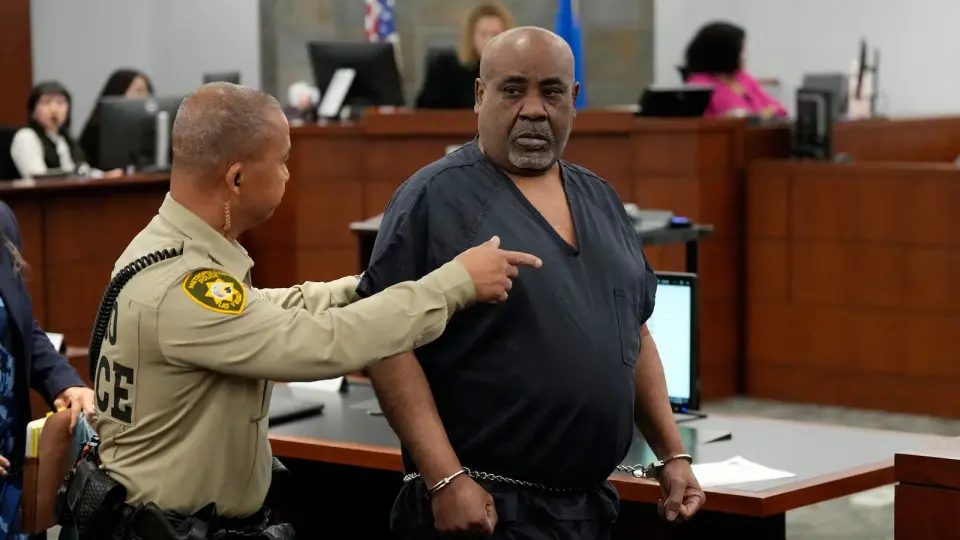
Duane 'Keffe D' Davis, 63, was sentenced to 40 years to life in prison on October 13, 2026, for orchestrating the 1996 drive-by shooting of rapper Tupac Shakur in Las Vegas. Davis is the only person ever charged with the murder, which occurred during a gang-related retaliation. The case, which remained unsolved for nearly three decades, relied heavily on Davis's own public admissions and memoir, as physical evidence was scarce. Davis has indicated he plans to appeal the conviction.
Key points
- Sentencing: Duane 'Keffe D' Davis was sentenced to 40 years to life in prison by Judge Carli Kierny on October 13, 2026, in Clark County, Nevada.
- Conviction: Davis was found guilty of first-degree murder with a deadly weapon by a jury after less than three hours of deliberation in August 2026.
- Evidence: Prosecutors relied on Davis's own words from police interviews, a 2019 memoir, and public statements, as no murder weapon was recovered and physical evidence had degraded over 30 years.
- Background: Davis, a former Southside Compton Crips leader, was arrested in September 2023 and charged with murder. He pleaded not guilty and maintains his innocence.
- Appeal: Davis has stated he plans to appeal the conviction, though he has 731 days of credit for time already served.
Background
The murder of Tupac Shakur occurred on September 7, 1996, near the Las Vegas Strip, during a period of intense East Coast-West Coast hip-hop rivalry. Shakur died six days later from gunshot wounds. The case remained unsolved for nearly 30 years due to a lack of physical evidence and gang-related silence. Davis's 2008 police interview, conducted under a proffer agreement related to the murder of Notorious B.I.G., and his 2019 memoir 'Compton Street Legend' provided key admissions that prosecutors used to build the case. The conviction is the first in the Shakur murder case, though it does not resolve the related 1997 murder of Christopher Wallace (Biggie Smalls), which Davis denied involvement in during the 2008 interview.
How outlets are covering it
ABC News and WRAL emphasize the emotional impact statements from Shakur's family, particularly sister Sekyiwa Shakur, and the judge's statement that Davis would not 'walk away' from the crime. BBC highlights the significance of the conviction as the first in a 30-year cold case and notes Davis's admission in his memoir that he provided the gun. All sources agree that Davis's own words were the primary evidence, but WRAL and ABC News detail the legal dispute over the proffer agreement, noting that Davis's public statements negated his immunity. BBC and WRAL also mention the broader context of the East Coast-West Coast rivalry and the subsequent murder of Notorious B.I.G., though no source suggests Davis was involved in Wallace's death. All outlets report Davis's intention to appeal, but only WRAL specifies the 731 days of credit for time served.
Why it matters
The sentencing marks the first legal resolution in the 30-year-old Tupac Shakur murder case, a high-profile crime that became a cultural symbol of the 1990s hip-hop rivalry. The case highlights the challenges of prosecuting cold cases where physical evidence is absent and relies on the defendant's own admissions. It also underscores the long-term impact of gang violence on the music industry and the difficulty of securing justice when key witnesses and evidence are lost over time. The conviction may influence future cases involving gang-related violence and the use of proffer agreements in criminal investigations.
What to watch
Davis has stated he plans to appeal the conviction, which could lead to further legal proceedings. The case may also prompt renewed interest in other unresolved gang-related murders from the 1990s, including the 1997 murder of Notorious B.I.G., though no charges have been filed in that case. The sentencing may also lead to increased scrutiny of the use of proffer agreements in criminal investigations and the admissibility of a defendant's public statements as evidence.
- Duane 'Keffe D' Davis sentenced to 40 years to life in prison for Tupac Shakur's murder ABC News - Breaking News, Latest News and Videos
- Tupac Shakur Murder Conviction Lands Man 40 Years to Life in Prison The New York Times
- Duane "Keffe D" Davis sentenced to 40 years for rapper Tupac Shakur's murder BBC
- Ex-gang leader sentenced to 40 years to life in prison for Tupac Shakur murder Yahoo
- Duane Davis sentenced to 40 years to life for the death of Tupac Shakur WRAL
Want the full story? Read the original reporting
Read on ABC News - Breaking News, Latest News and Videos