
Gibney’s 4-Hour 'Musk' Documentary Debuts Amid Platform Censorship and Political Fallout
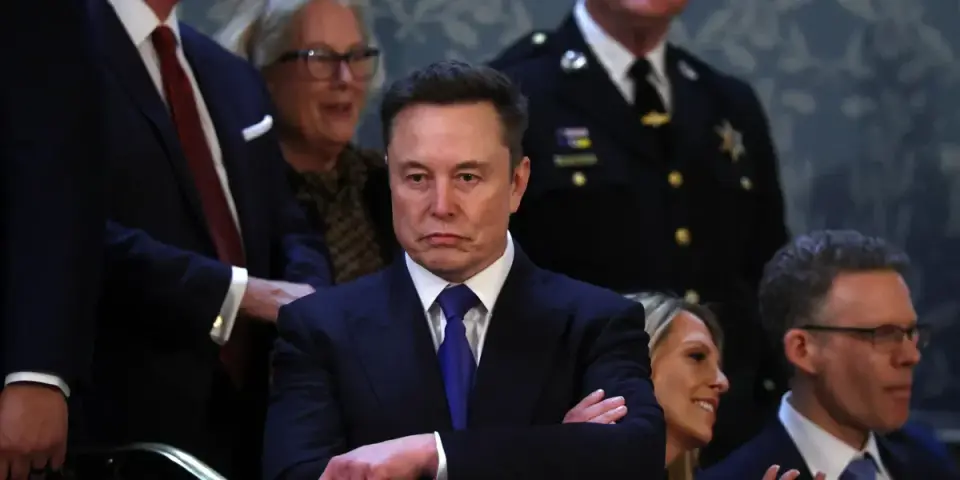
Alex Gibney’s nearly four-hour documentary, 'Musk,' opened nationwide on October 16, 2026, offering a critical examination of Elon Musk’s accumulation of power. The film, which features a CGI avatar of Musk using his own audio recordings, faced significant distribution hurdles, including ad bans on major platforms like TikTok, YouTube, and Meta, which were later reversed. Critics and outlets describe the film as a 'chilling' look at a 'sociopathic' figure who has merged economic, technological, and political influence. The documentary highlights how Musk leveraged federal incentives and cultural biases to build his empire, while also detailing the human cost of his actions, particularly through the dismantling of USAID. The release coincides with a broader cultural reckoning against tech power, with other films targeting figures like Sam Altman and Mark Zuckerberg.
Key points
- Alex Gibney’s documentary 'Musk' is nearly four hours long and opened in theaters on October 16, 2026.
- The film uses a CGI avatar of Musk, populated with his real audio recordings, as he refused to participate in interviews.
- Distributor Bleecker Street faced ad bans on TikTok, YouTube, and Meta, which were reversed after public pressure and media coverage.
- Critics describe Musk as 'sociopathic' and 'self-centered,' noting his integration into the Trump administration and the Department of Government Efficiency (DOGE).
- The documentary explores how Musk exploited American cultural tropes of genius and wealth to amass power, while also highlighting the negative impacts of his actions on global aid and media integrity.
Background
This release follows a period of heightened scrutiny on tech leaders, with previous coverage in our archive highlighting geopolitical tensions and domestic policy shifts. The documentary’s themes of unchecked power and media manipulation align with broader concerns about the influence of tech billionaires on democratic institutions, a topic that has been increasingly prominent in political discourse since the 2024 elections.
How outlets are covering it
The Washington Post and Salon emphasize the film’s critical stance and the unprecedented media suppression it faced, framing it as a necessary confrontation with tech power. The New Republic focuses on the film’s narrative structure, comparing Musk’s rise to a 'simulation' and highlighting the cultural and regulatory failures that enabled his dominance. Alternet.org, while primarily featuring the headline, underscores the 'chilling' nature of the film’s warnings about Musk’s influence. All sources agree on the film’s significance but differ in emphasis: The Post and Salon focus on the political and media implications, while The New Republic delves into the psychological and cultural aspects of Musk’s persona.
Why it matters
The documentary’s release and the subsequent media backlash highlight the growing tension between tech power and democratic accountability. It raises critical questions about the concentration of power in the hands of a few individuals and the role of media platforms in shaping public discourse. As the film opens, it serves as a cultural and political touchstone, reflecting broader anxieties about the future of democracy and the influence of technology on society.
What to watch
The documentary is expected to spark further debate on the role of tech billionaires in politics and media. Its release coincides with other critical films targeting tech leaders, suggesting a broader cultural reckoning. The film’s impact may also influence public opinion ahead of the 2026 midterm elections, where issues of media integrity and political influence are likely to be prominent.
- 'An anomaly in the Matrix': Filmmaker issues chilling new warning about Musk Alternet
- A filmmaker spent years in an Elon Musk rabbit hole. Conclusion? ‘Sociopathic.’ The Washington Post
- Alex Gibney’s "Musk" asks why we gave Elon Musk so much power Salon.com
- Watching Musk Feels Like Being Trapped in a Simulation The New Republic
- My Musk film is a terrifying portrait of 21st-century pow... The Observer
Want the full story? Read the original reporting
Read on Alternet