
GB News Doctor Defends 59th-Birthday Pregnancy Amid Backlash
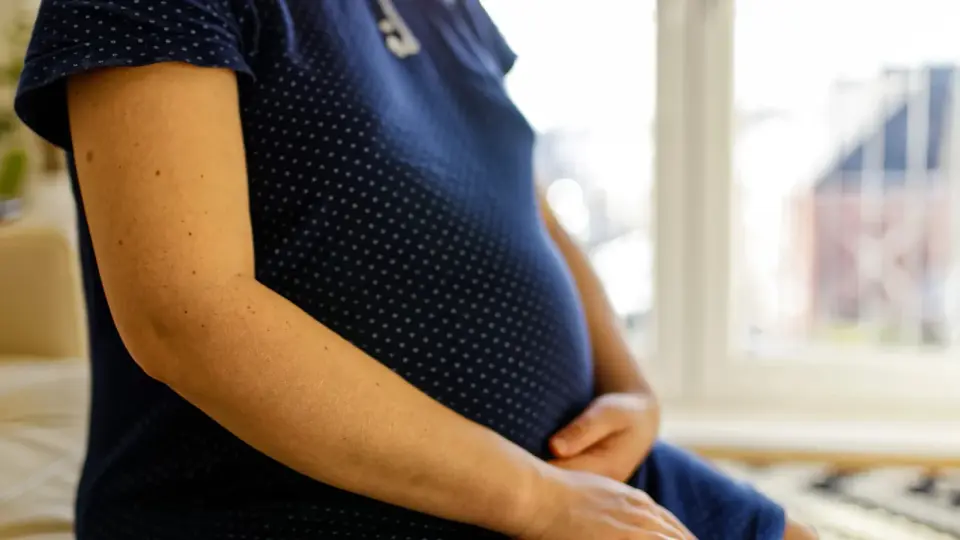
Dr. Renée Hoenderkamp, a 59-year-old British GP and GB News co-host, announced on November 14 that she is 12 weeks pregnant with her third child. She revealed she conceived via IVF using eggs frozen in her 30s at a Polish clinic after UK providers declined treatment. The announcement sparked intense online backlash, with critics calling her choice 'selfish' and 'disgusting.' Hoenderkamp responded by highlighting a societal double standard, noting that her 66-year-old partner faces no similar scrutiny. She argued that age brings wisdom and financial stability, countering claims that late motherhood is inherently harmful.
Key points
- Hoenderkamp, a National Health Service general practitioner, revealed her pregnancy during a live broadcast of 'The Saturday Five,' surprising her all-male panel.
- She is 12 weeks pregnant with a girl, conceived through IVF using eggs frozen in her 30s after three embryo transfers at a clinic in Poland.
- UK NHS and private clinics typically refuse IVF for women over 55, prompting Hoenderkamp to seek treatment abroad.
- Critics labeled her decision 'revolting' and 'selfish,' while supporters praised her resilience and the joy of her existing children.
- Hoenderkamp noted that her partner, Colin, is 66, and pointed out that society rarely criticizes men for fathering children at advanced ages.
Background
This story follows a broader trend of increasing fertility rates among women over 40 in the US and UK. Recent data shows rising birth rates for women aged 40-44, despite overall declines. Public figures like Hilary Swank (52) and Anne Hathaway (44) have recently announced pregnancies, sparking similar debates. Medical experts note that while age increases risks like miscarriage and gestational diabetes, egg freezing and IVF offer viable options for many. The debate often centers on whether societal norms should dictate personal reproductive choices, especially as life expectancy increases.
How outlets are covering it
USA TODAY and People.com emphasize the surprise factor and the statistical trend of older mothers, framing Hoenderkamp’s story as part of a larger shift in family planning. ABC News highlights the medical risks associated with advanced maternal age, including potential genetic mutations for older fathers, while also noting the societal double standard. The Daily Mail, featuring Hoenderkamp’s own essay, provides a deeply personal defense, detailing her emotional journey, the failure of two IVF attempts, and her argument that maturity and financial security outweigh biological age. Critics, as reported by all outlets, focus on the perceived selfishness and health risks, while supporters, including her family, view it as a celebration of love and stability.
Why it matters
The case underscores ongoing tensions between medical ethics, societal norms, and personal autonomy in reproductive choices. It highlights the limitations of UK fertility services for older women and the growing reliance on international clinics. The backlash reflects deep-seated biases against older mothers, while the defense challenges these norms by emphasizing the benefits of experience and stability. As fertility technologies advance, such cases will likely become more common, forcing society to reconsider its definitions of 'normal' family structures and the validity of age-based restrictions on parenthood.
What to watch
Hoenderkamp is expected to continue her medical career and public commentary while navigating her pregnancy. The baby is due next year, when she will be 60. The case may influence public discourse on fertility access for older women in the UK and potentially prompt discussions about revising NHS age limits for IVF. Media coverage is likely to continue focusing on the social and medical implications of late-life pregnancies, with experts weighing in on the risks and benefits.
- A TV host announced she's pregnant at 59. How motherhood is changing USA Today
- Doctor and TV host, 59, slams 'double standard' after announcing pregnancy ABC News - Breaking News, Latest News and Videos
- TV Host, 59, Announces Pregnancy Nearly 40 Years After Giving Birth to Her First Baby People.com
- Why I'm NOT selfish for getting pregnant at 59: Dr RENEE HOENDERKAMP Daily Mail
- This GB News presenter is pregnant at 59, but who are we to judge? The Independent
Want the full story? Read the original reporting
Read on USA Today