
Burning Man’s 2026 debut sparks debate over its shift from anarchist roots to elite spectacle
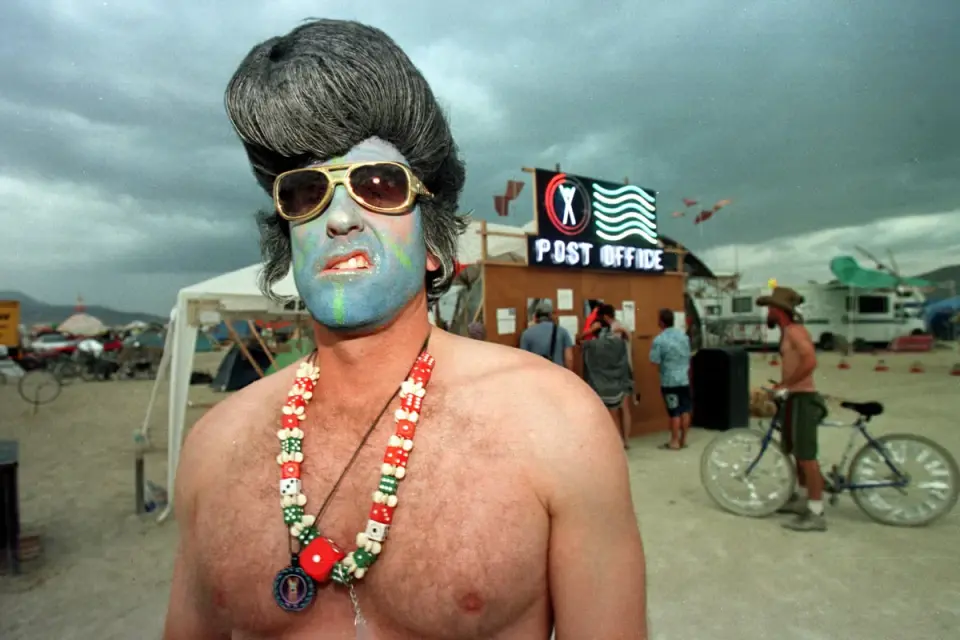
Burning Man 2026 opens in Nevada amid a sharp debate over its cultural identity. Co-founder John Law argues the event has lost its original anarchist spirit, becoming a luxury playground for the wealthy, while data shows a significant rise in high-income attendees. Despite criticism, the festival remains a major draw, with 80% of participants valuing its core philosophy, and new first-timers continue to arrive in large numbers.
Key points
- John Law, a co-founder of Burning Man, has publicly stated that the festival has lost its 'anarchist soul' and transformed into a 'Disneyland for the well-heeled,' contrasting the current event with the collaborative, non-hierarchical gatherings of the early 1990s.
- Statista data indicates a dramatic shift in attendee demographics, with the percentage of participants earning over $100,000 annually rising from 24% in 2015 to nearly 48% in 2025, a figure far exceeding the 18% of Americans with similar incomes.
- The 2026 festival features record-breaking 'mutant' art vehicles, some costing millions of dollars, and includes luxury camps with private chefs, highlighting the commercialization and exclusivity that critics argue contradict the event's original ethos.
- Despite the shift toward wealth and exclusivity, approximately 80% of attendees still report that the festival's stated philosophy is important to them, and first-time attendees remain a stable 25-30% of the crowd, suggesting the event retains broad appeal.
- The festival's growth from roughly 80 attendees in 1990 to tens of thousands today is linked by critics to the influence of Silicon Valley elites, who adopted the event as a corporate-sanctioned retreat, leading to a more hierarchical and controlled structure.
Background
Burning Man originated in 1990 as a small, anarchic gathering in the Black Rock Desert, rooted in the San Francisco underground art scene and the concept of a 'Temporary Autonomous Zone.' It was characterized by collective creation, self-sufficiency, and a lack of formal hierarchy or commercialism. Over the decades, the event expanded significantly, becoming a major cultural and economic phenomenon. Recent years have seen a marked increase in the wealth of attendees and the cost of participation, with ticket prices rising substantially and the introduction of luxury amenities that were previously absent. This evolution has sparked ongoing debates about whether the festival has retained its original countercultural values or has been co-opted by mainstream capitalism and elite culture.
How outlets are covering it
The Independent and The San Francisco Standard present a critical view, with John Law arguing that the festival has lost its soul and become a commercialized spectacle for the wealthy. Statista provides quantitative evidence supporting this view, showing a significant increase in high-income attendees. However, The Independent also notes that the festival retains a radical spirit for many, and Statista data indicates that 80% of attendees still value the event's philosophy, suggesting that the core experience remains meaningful for a large portion of participants. The perspectives differ in emphasis: critics focus on the loss of anarchic, collaborative values, while data suggests that the event's philosophical appeal remains strong despite its commercialization.
Why it matters
The debate over Burning Man's evolution reflects broader tensions in contemporary culture between countercultural ideals and commercialization. The festival's shift toward exclusivity and luxury raises questions about the accessibility and authenticity of cultural events, as well as the influence of wealth and technology on artistic and communal practices. Understanding these dynamics is important for analyzing how cultural movements are shaped by economic forces and how they maintain or lose their original meaning over time.
What to watch
The 2026 Burning Man festival will continue to draw attention and debate, with its extravagant art vehicles and luxury camps likely to be central to discussions about its cultural identity. Future surveys and data may further reveal trends in attendee demographics and the balance between commercialization and philosophical adherence. The festival's organizers will likely continue to navigate the tension between maintaining its core principles and managing its growing commercial footprint.
- I’ve been to Burning Man four times. It may have ‘lost its soul’ — but here’s why I still envy this year’s ‘burgins’ The Independent
- I co-founded Burning Man. The festival has lost its soul. The San Francisco Standard
- Burning Man co-founder says festival ‘has lost its soul’ and become ‘Disneyland for the well-heeled’ yahoo.com
- Burning Man: Richest Hippies Alive? Statista
- Data shows Burning Man is an aging millenial San Francisco Chronicle
Want the full story? Read the original reporting
Read on The Independent