
The Grateful Dead’s Enduring Fandom: A Cultural Legacy Beyond the Band
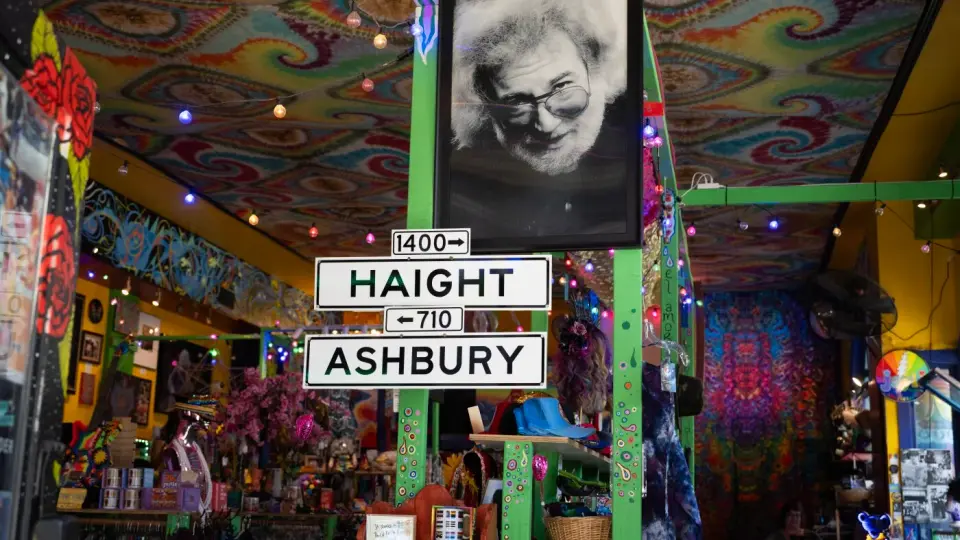
NPR’s 'Days Between' series explores why the Grateful Dead’s fanbase remains vibrant decades after the band’s dissolution. The legacy is sustained by a communal ethos, improvisational music, and new generations of fans. Key figures like Dennis McNally and Bob Weir highlight the fandom’s resilience, while the documentary 'Summer Tour' captures the youth-driven revival. The Dead’s influence persists through cover bands, venues, and cultural artifacts, proving that the music and community outlive the original lineup.
Key points
- NPR’s 'Days Between' series (Aug 1-9) examines the enduring appeal of the Grateful Dead and its fanbase, known as Deadheads.
- Dennis McNally, the band’s biographer, attributes the Dead’s allure to an egalitarian ethos and improvisational nature, rooted in Ken Kesey’s 'Acid Test' parties.
- The fanbase has proven renewable, welcoming younger generations without the exclusionary attitudes common in other rock scenes.
- Dead & Company, formed in 2015, revitalized the band’s popularity, bringing in millennials and Gen Z, and was named 'tour of the year' by GQ in 2019.
- The documentary 'Summer Tour' by Mischa Richter focuses on young fans following Dead & Company’s final 2023 tour, highlighting the community’s positivity and ingenuity.
- Bob Weir, a surviving member, emphasized the unifying power of American music, stating it can help pull the country together despite political divisions.
Background
The Grateful Dead, active from the 1960s until Jerry Garcia’s death in 1995, developed a dedicated fanbase known for their communal and improvisational ethos. The band’s influence extended beyond music, impacting counterculture and live music venues. After the band’s dissolution, various configurations of surviving members and cover bands kept the music alive. The 2015 'Fare Thee Well' concerts marked a significant reunion, leading to the formation of Dead & Company, which revitalized the fanbase. The 2023 final tour of Dead & Company and the subsequent documentary 'Summer Tour' highlight the ongoing relevance of the Dead’s legacy among younger generations. The archive articles provide background on the broader music industry and the impact of personal struggles on artists, but the focus here is on the Grateful Dead’s unique cultural phenomenon.
How outlets are covering it
NPR’s coverage emphasizes the communal and egalitarian aspects of the Grateful Dead’s fanbase, highlighting the band’s improvisational nature and the renewal of its legacy through younger generations. Dennis McNally and Bob Weir stress the unifying power of the music and the community’s resilience. The Good Times article from Santa Cruz focuses on the local and archival aspects of the Dead’s legacy, with Nicholas Meriwether arguing that cover bands are not mere imitations but unique interpretations, akin to jazz or symphony orchestras. OB Rag’s coverage is more anecdotal, focusing on personal stories and the community’s engagement with NPR’s 'Days Between' series. The perspectives differ in their emphasis: NPR and McNally focus on the cultural and communal aspects, while Good Times highlights the archival and local significance, and OB Rag provides a more personal, community-driven view.
Why it matters
The Grateful Dead’s enduring fandom demonstrates the power of music and community to transcend time and generational divides. The Dead’s legacy, sustained through improvisation, communal ethos, and new generations of fans, offers a model for how cultural phenomena can evolve and remain relevant. The unifying power of the music, as highlighted by Bob Weir, suggests that shared cultural experiences can help bridge political and social divides. The ongoing presence of the Dead’s influence through cover bands, venues, and documentaries like 'Summer Tour' shows that the band’s impact extends beyond its original lineup, shaping live music culture and fostering a sense of community in an increasingly fragmented society.
What to watch
The Grateful Dead’s legacy will likely continue through cover bands, tribute shows, and new generations of fans. The documentary 'Summer Tour' and NPR’s 'Days Between' series will further explore and document the evolving fanbase. Venues like Brooklyn Bowl and Garcia’s will continue to host live music events, fostering community and exploration. The archival efforts at UCSC and the Grateful Dead Studies Association will preserve and study the band’s cultural impact. As new fans engage with the Dead’s music and ethos, the legacy will adapt and remain relevant, potentially influencing future live music culture and community-building efforts.
- How Deadheads became rock and roll's greatest renewable resource NPR
- The living legacy of the Grateful Dead Good Times | Santa Cruz California's Leading Free Weekly
- How did you become a Deadhead? NPR wants to know OB Rag
- The Grateful Dead Lives On in Santa Cruz Good Times | Santa Cruz California's Leading Free Weekly
- How long will the Grateful Dead's songs survive? NPR
Want the full story? Read the original reporting
Read on NPR