
Dolly Parton’s Death Sparks Debate Over Her Childlessness and Endometriosis
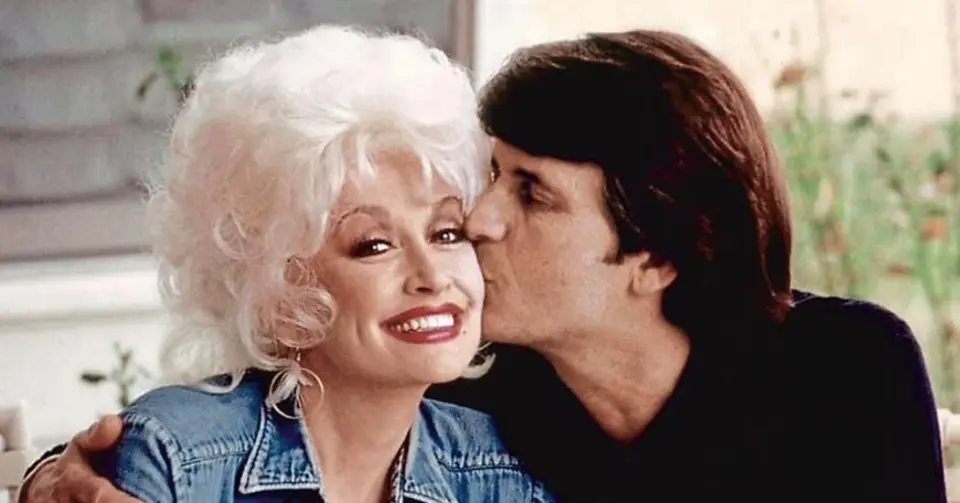
Dolly Parton died at 80, prompting media analysis of her 60-year marriage to Carl Dean and her childless life. While The New York Times highlighted the distance and privacy that defined their union, The Washington Post focused on her choice to remain childless. This sparked backlash from fans who argued the Post ignored her endometriosis diagnosis, which prevented pregnancy. Parton’s legacy is marked by her Imagination Library nonprofit and her public statements on health and independence.
Key points
- Dolly Parton died at age 80, ending a nearly 60-year marriage to Carl Dean, who passed away in March 2025.
- The New York Times reported that their relationship was defined by distance, with Dean rarely attending her performances and maintaining a private lifestyle.
- The Washington Post published a column arguing that Parton’s lack of children was a voluntary choice that redefined motherhood through philanthropy.
- Fans criticized the Washington Post for omitting Parton’s endometriosis diagnosis and partial hysterectomy, which medically prevented her from having children.
- Parton’s Imagination Library donated over 330 million books, which she cited as her way of raising 'everyone’s kids.'
- Parton postponed Las Vegas concerts in late 2025 due to health issues while caring for Dean, neglecting her own well-being.
Background
Parton and Dean eloped in 1966 and remained together until Dean’s death in 2025. Their marriage was often described as unconventional due to their separate lives and Dean’s avoidance of the spotlight. Parton had previously debunked rumors of infidelity, including those involving Kenny Rogers, and maintained that their bond was 'sacred.'
How outlets are covering it
The New York Times emphasized the structural distance and privacy in Parton and Dean’s marriage, noting that Dean saw her perform only once. In contrast, The Washington Post focused on Parton’s childlessness as a deliberate cultural statement, arguing she proved that parenting is not the only way to invest in children. The New York Post highlighted fan backlash against the Washington Post, noting that critics felt the outlet ignored Parton’s endometriosis and partial hysterectomy, which made pregnancy impossible. Fans also criticized the double standard of focusing on a woman’s parental status while ignoring that of deceased men.
Why it matters
The debate highlights ongoing tensions in media regarding how women’s bodies and choices are framed in obituaries. It underscores the importance of medical history in understanding personal decisions and the impact of philanthropy on legacy. Parton’s life illustrates how public figures navigate privacy, health, and societal expectations of motherhood.
What to watch
Parton is to be buried beside Carl Dean in Nashville. Her Imagination Library will continue its operations, and her estate will likely manage her extensive philanthropic legacy. Media coverage will likely continue to focus on her cultural impact and the controversies surrounding her obituary coverage.
- In Parton’s 60-Year Marriage, Love Fueled by Distance and Difference The New York Times
- Column | Why it matters that Dolly Parton wasn’t a mother The Washington Post
- Dolly Parton Shared the Baby Name She Chose if She and Carl Dean Were to Have Children instyle.com
- Dolly Parton Joked About ‘Wishy-Washy’ Romance with Husband Carl Dean in Her 1975 Profile in PEOPLE People.com
- Dolly Parton fans blast WaPo reporter for claiming legend chose ‘against parenting’ — without mentioning her endometriosis struggles New York Post
Want the full story? Read the original reporting
Read on The New York Times