
Elephant Grief Image Wins 2026 Wildlife Photographer of Year Amid Record Global Entries
Italian photographer Federico Veronesi won the 61st Wildlife Photographer of the Year with an image of an elephant carrying a deceased calf in Namibia. The competition received a record 65,403 entries from 121 countries. Winners were announced on October 13, 2026, with an exhibition opening at London's Natural History Museum on October 16.
Key points
- Federico Veronesi won the grand prize for 'The Aftermath,' depicting a female elephant carrying a dead calf in Namibia's Huab River Valley.
- The 2026 competition received a record-breaking 65,403 entries from 121 countries and territories.
- The annual exhibition opens at the Natural History Museum in London on October 16, 2026, and runs until July 2027.
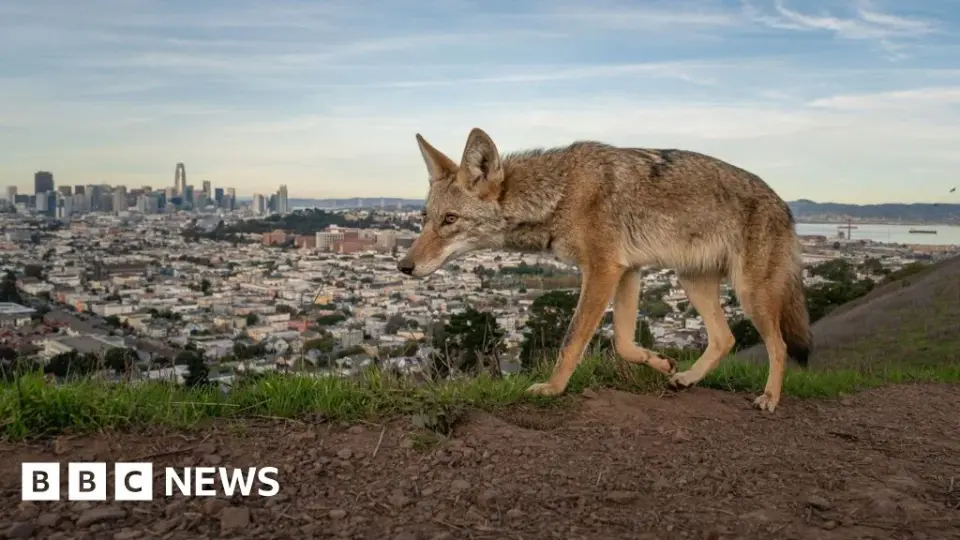
- Loren Elliott won the Photojournalist Story Award for images of coyotes in San Francisco.
- Oscar Whitfield won the Young Grand Title for a dung beetle in Zimbabwe, while Amelie Davis won the 10 Years and Under category using a smartphone.
Background
This award follows recent record-breaking submissions in other wildlife photography competitions, such as the 2026 Nikon Comedy Wildlife Awards, which also saw over 10,000 global entries. The Wildlife Photographer of the Year is a long-standing annual competition organized by the Natural History Museum, highlighting conservation and animal behavior through visual storytelling.
How outlets are covering it
BBC and The Guardian focus on the emotional impact of Veronesi's winning image and the technical details of other category winners. National Geographic emphasizes the scientific debate surrounding elephant grief, noting that researchers interpret the behavior as either a mourning ritual or a complex cognitive response to death. All sources agree on the record number of entries and the exhibition dates, but National Geographic provides additional context on the biological interpretation of the winning image, while The Guardian highlights the conservation implications of the 'Great Divide' wetland photo.
Why it matters
The record number of entries indicates growing global interest in wildlife photography as a tool for conservation awareness. The winning image sparks debate about animal cognition and emotional depth, potentially influencing public perception and policy regarding elephant protection. The exhibition provides a public platform for these narratives, bridging scientific research and popular culture.
What to watch
The exhibition will open to the public at the Natural History Museum on October 16, 2026. The competition's focus on diverse categories, from urban wildlife to underwater scenes, suggests continued emphasis on documenting human-wildlife interactions and environmental changes.
- Pictured: Winning entries for Wildlife Photographer of the Year 2026 BBC
- 16 Striking Photos From This Year’s Best Wildlife Photographers National Geographic
- Wildlife photographer of the year 2026 winners – in pictures The Guardian
- Incredible winning images from Wildlife Photographer of the Year 2026 CNN
- Heartbreaking photograph of an elephant and deceased calf wins Wildlife Photographer of the Year 2026 Natural History Museum
Want the full story? Read the original reporting
Read on BBC