
Gen Z Ditches Traditional Phone Greetings in Favor of Customized, Context-Aware Responses
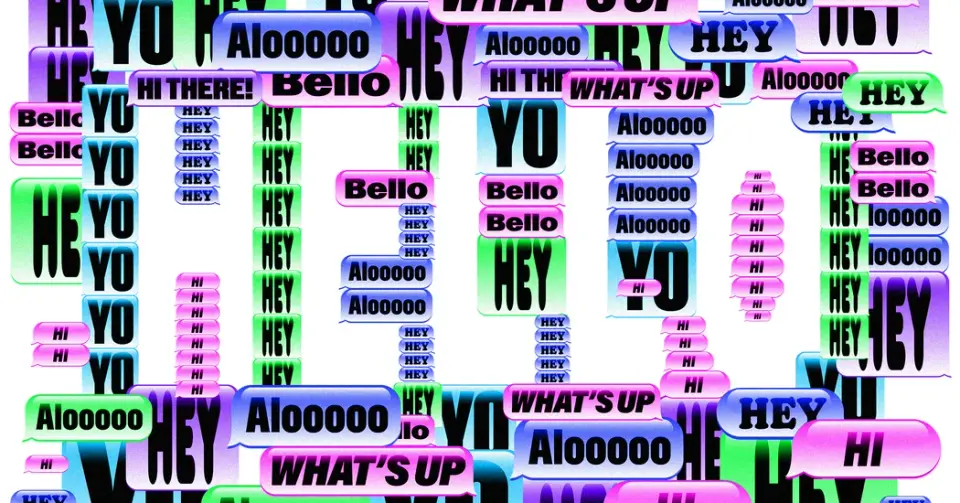
A New York Times feature highlights how Gen Z and Gen Alpha have largely abandoned the traditional 'Hello?' phone greeting. Because caller ID and messaging apps eliminate the mystery of incoming calls, younger generations have adopted personalized, often humorous, or non-verbal responses. This shift reflects a broader change in communication norms where context is pre-established, making formal greetings feel redundant or performative.
Key points
- Gen Z and Gen Alpha rarely use the standard 'Hello?' when answering phone calls, as caller ID and digital communication make the caller's identity known before the call connects.
- Younger generations have adopted custom greetings, such as 'Bello' or speaking in 'Minionese,' or simply omitting a greeting entirely, depending on the relationship with the caller.
- The shift is driven by the removal of uncertainty in phone interactions; since the caller is known, the traditional function of a greeting to identify the person is obsolete.
- This behavior contrasts with older generations, who still use standard greetings like 'Hi' or 'Hello?' to acknowledge the call, often finding the younger generation's approach confusing or rude.
- The trend reflects a broader cultural shift in communication where context is pre-loaded, allowing for more casual, informal, or playful interactions.
Background
This development follows earlier cultural shifts in communication norms, such as the rise of text-based communication and the decline of voice calls among younger demographics. While previous archive articles focused on technology and gaming, they highlight a broader trend of changing user expectations and norms in digital spaces. The current story extends this to voice communication, showing how pre-established context (via caller ID) is reshaping even traditional phone etiquette.
Why it matters
The decline of traditional phone greetings signals a deeper shift in social norms and communication expectations. As younger generations prioritize efficiency and context-awareness, they are redefining what is considered polite or necessary in interpersonal interactions. This could impact how businesses and older generations communicate with younger ones, potentially leading to misunderstandings or a need for updated etiquette guidelines. It also reflects the broader influence of technology on social behavior, where digital tools (like caller ID) are reshaping even the most basic aspects of human interaction.
What to watch
Expect further evolution in phone etiquette as younger generations continue to set new norms. Businesses and older generations may need to adapt their communication styles to align with these changes, potentially leading to a generational divide in expectations. Additionally, as technology continues to evolve, new forms of communication may emerge that further reduce the need for traditional greetings, such as AI-assisted calls or automated responses.
Want the full story? Read the original reporting
Read on nytimes.com