
Netflix documentary argues 9/11 decisions, not just attacks, reshaped US society
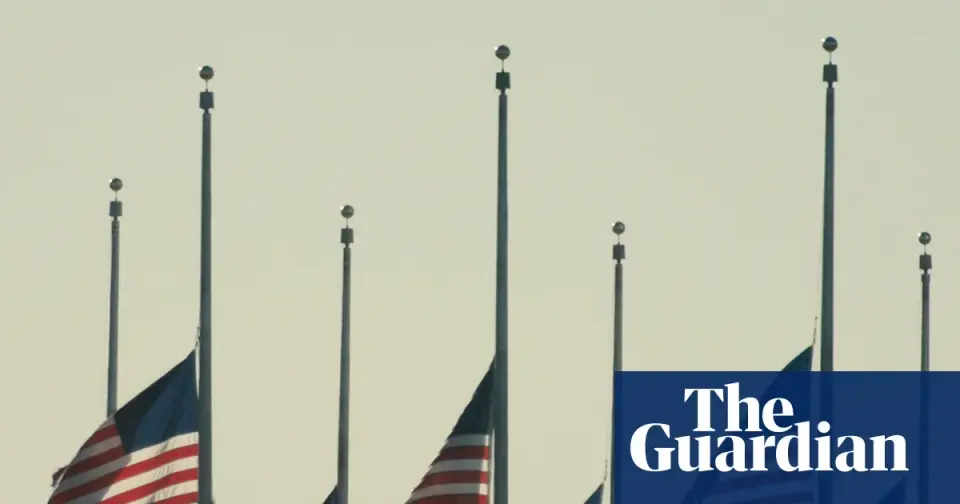
A new Netflix documentary, 'Turning Point: Generation 9/11,' argues that the long-term impact of the September 11 attacks stems more from subsequent political decisions than the events themselves. Directed by Brian Knappenberger, the film examines how post-9/11 policies created a 'vividly 9/11 world' characterized by expanded executive power, civil liberties erosion, and persistent foreign wars. It highlights the experiences of young people whose lives were defined by the attacks, including children of victims, and traces a direct line from early conspiracy theories to modern disinformation and aggressive immigration enforcement. The documentary suggests that the US is still grappling with the consequences of fear-based decisions made two decades ago, urging a new generation to reject this path.
Key points
- The documentary 'Turning Point: Generation 9/11' premiered on Netflix on September 2, 2026.
- Director Brian Knappenberger argues that decisions made in the aftermath of 9/11 changed America more than the attacks themselves.
- The film features interviews with young people, including Laurel Homer, daughter of United Flight 93 co-pilot, and An Nguyen, son of a Pentagon victim.
- Knappenberger links the rise of conspiracy theories and the 'truther' movement to the early 2000s and the emergence of social media platforms.
- The documentary connects the creation of ICE and DHS to current aggressive immigration enforcement tactics under the Trump administration.
- It critiques the 2001 Authorization for Use of Military Force (AUMF) for expanding executive power and justifying 'forever wars.'
Background
This release follows a period of increased scrutiny on US foreign policy and domestic security, as seen in recent coverage of NATO troop deployments and immigration enforcement. The documentary arrives as the US approaches the point where half its population was born after 9/11, shifting the event from living memory to historical record. It complements broader cultural discussions about the long-term impacts of the 'war on terror' on civil liberties and international relations.
Why it matters
The documentary provides a critical lens on how post-9/11 policies continue to shape US society, from immigration enforcement to foreign wars. It highlights the enduring impact of fear-based decisions on civil liberties and international relations, urging a reevaluation of these choices by a new generation. By connecting historical events to current political realities, it offers a framework for understanding contemporary divisions and conflicts.
What to watch
The documentary is available on Netflix, potentially sparking renewed public debate about the legacy of 9/11 and its ongoing impact on US policy. It may influence discussions on immigration, foreign intervention, and the role of executive power in the coming years. As the US approaches the 25th anniversary of the attacks, the film could serve as a catalyst for broader conversations about national identity and security.
Want the full story? Read the original reporting
Read on The Guardian