
Highsmith’s Legacy: From American Outcast to European Icon
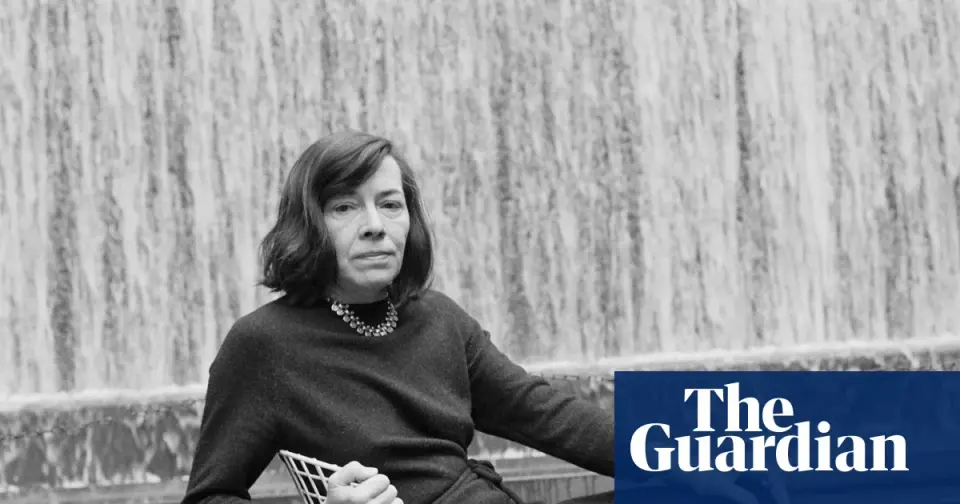
Patricia Highsmith, the author of the Ripley novels, was a difficult figure who struggled commercially in the US but found success in Europe. Her recent biographical film, A Talent for Murder, starring Helen Mirren, highlights her complex personality and enduring literary influence. Despite her antisemitic and racist views, her work remains celebrated for its psychological depth and precision.
Key points
- Highsmith’s American career stalled in the 1960s due to her perceived unpleasantness and subtle writing style, leading to a lack of US publishers by 1984.
- Otto Penzler, a New York bookseller, signed a six-book deal with Highsmith in 1984, creating a new imprint to publish her work after she was rejected by major US houses.
- Highsmith’s relationship with the Swiss publisher Diogenes was crucial to her legacy, as they controlled her estate and published her works in Europe, where she was a superstar.
- The 2026 film A Talent for Murder, directed by Anton Corbijn and starring Helen Mirren, explores Highsmith’s life and work, focusing on her final years in Switzerland.
- Highsmith’s diaries, published in 2021, revealed her antisemitic and racist views, which were edited by her Swiss editor Anna von Planta to remove the most extreme instances.
- Gary Fisketjon, Highsmith’s final American editor, recalled her as a difficult but engaging figure, noting her interest in the literary scene and her cats.
Background
Patricia Highsmith, born in 1921 in Fort Worth, Texas, was a prominent American author known for her psychological thrillers, particularly the Ripley series. Her debut, Strangers on a Train, was adapted into a film by Alfred Hitchcock in 1951. She later wrote The Price of Salt, a lesbian novel published under the pseudonym Claire Morgan, and The Talented Mr Ripley, which became a critical success. Highsmith lived in Europe for 20 years, moving from England to France and then to Switzerland, where she resided until her death in 1995. Her work was characterized by its dark themes and precise characterizations, and she was known for her misanthropy and difficult personality. The recent film A Talent for Murder, which premiered at the SCAD Savannah Film Festival in October 2026, has brought renewed attention to her life and work.
Why it matters
Highsmith’s story illustrates the complex relationship between an author’s personal life and their literary legacy. Her difficult personality and bigoted views are contrasted with the empathy and psychological depth of her work, which continues to resonate with readers and filmmakers. The recent film and republishing of her works in the US highlight the enduring relevance of her writing and the ongoing debate about how to engage with authors who held offensive views. Highsmith’s experience also underscores the importance of international publishing in preserving and promoting literary works that may not find a home in their country of origin.
What to watch
The film A Talent for Murder is set to release in cinemas on 20 November 2026, which may further revive interest in Highsmith’s work. The republishing of her short stories and novels in the US, including the 2001 collection Nothing That Meets the Eye, suggests a continued effort to explore her backlist for potential screen adaptations. The ongoing debate about her bigoted views and the editing of her diaries will likely continue to shape discussions about her legacy and the ethics of publishing her work.
Want the full story? Read the original reporting
Read on The Guardian