
Horror Films and Catholicism: A Cultural and Theological Debate
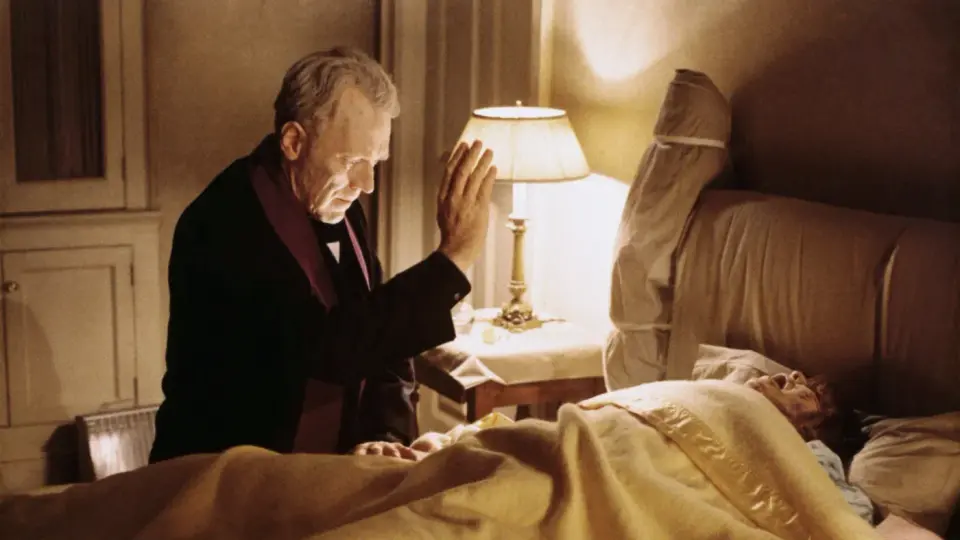
Horror films frequently draw on Catholic imagery and theology, sparking debate among religious figures about whether the genre is spiritually harmful or theologically profound. While some conservative voices argue that consuming horror contradicts biblical commands against fear, others contend that the genre uniquely explores spiritual warfare, suffering, and redemption, making it a valuable tool for engaging with theological questions.
Key points
- Catholicism is a dominant theme in horror films, with icons like The Exorcist and The Omen featuring priests and exorcisms.
- Conservative Christian commentator Allie Beth Stuckey argued that watching horror films contradicts Jesus's command not to fear, a view she later deleted after backlash.
- Podcaster Matt Walsh countered that horror is the 'most Christian genre' because it takes the supernatural, demons, and the Church seriously.
- Catholic priest Aaron Williams, who consulted on the 2025 film The Ritual, noted that while possession is rare, the Church still performs exorcisms and views clergy as having authority against evil.
- Director Aislinn Clarke, who grew up Irish Catholic, stated that her childhood exposure to stories of saints' suffering prepared her for horror filmmaking.
- Crisis Magazine argues that horror can be appropriate for Christians if it leads to a redemptive conclusion, contrasting fear with faith and hope.
Background
The debate over horror films and religion is not new; Billy Graham criticized The Exorcist in 1973 as 'spiritual pornography.' The 2024 film Fréwaka and 2018 film The Devil's Doorway, directed by Aislinn Clarke, have used Catholic imagery to critique historical abuses like the Magdalene laundries. The 2025 film The Ritual, which consulted Catholic priest Aaron Williams, further blurs the line between fiction and theological reality.
How outlets are covering it
NPR emphasizes the cultural and theological reasons why Catholicism is a frequent subject in horror, highlighting the genre's use of suffering and redemption. The Atlantic presents a more nuanced view, arguing that while horror can seem irreverent, many films are deeply interested in theological questions. Crisis Magazine takes a balanced stance, acknowledging that extreme horror can be harmful but arguing that fear, when properly contextualized, can strengthen faith and is a legitimate part of storytelling. The debate centers on whether horror is a contradiction of Christian peace or a tool for exploring spiritual realities.
Why it matters
The intersection of horror and religion reflects broader cultural tensions about how faith engages with fear, evil, and the supernatural. As horror films continue to draw on Catholic imagery, they influence public perceptions of the Church and its role in spiritual warfare. The debate also highlights the diversity of Christian views on media consumption, with some seeing horror as a spiritual danger and others as a means of exploring theological truths. This discussion is relevant not only to film enthusiasts but also to religious communities navigating the boundaries of faith and entertainment in a modern media landscape.
What to watch
The debate is likely to continue as new horror films are released, particularly those that engage with religious themes. The 2025 film The Ritual, which consulted a Catholic priest, suggests a growing trend of horror films seeking theological authenticity. As public discourse around media consumption and faith evolves, the conversation about horror's place in Christian life may become more nuanced, with more voices advocating for a balanced view that acknowledges both the risks and the potential spiritual value of the genre.
- Why so many horror movies have Catholic themes NPR
- What Horror Films Have to Say About God The Atlantic
- Jesus Said ‘Fear Not.’ He Didn’t Say ‘Don’t Watch Scary Movies’ Sojourners
- Fear Not… a Little Horror Never Hurt a Soul Crisis Magazine
- The Catholic Roots of Modern Horror The New York Sun
Want the full story? Read the original reporting
Read on NPR