
Italy's 'Scarpetta' Ritual: From Table Manners Taboo to Public Food Pleasure
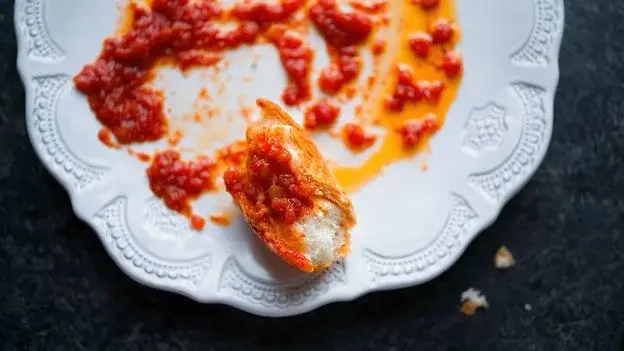
The Italian practice of 'fare la scarpetta'—using bread to mop up leftover sauce—has shifted from a frowned-upon bourgeois taboo to a celebrated public ritual. Once considered improper in formal settings, the habit is now embraced in restaurants across Italy, symbolizing appreciation for food and a rejection of waste. Historical records trace the term to 1871, with its acceptance growing as Italy rediscovered 'cucina povera' and viewed waste as the true breach of manners.
Key points
- The term 'fare la scarpetta' (to do the little shoe) refers to using bread to absorb remaining sauce or juices from a plate.
- Historian Luca Cesari notes the earliest written reference is from 1871 in Roman dialect, with the name possibly deriving from 'a little walk' in central Italian dialect.
- Attitudes varied by region and class; northern cities like Turin once deemed it improper, while southern regions like Puglia viewed leaving food as rude.
- Chef Gualtiero Marchesi, a pioneer of modern Italian fine dining, defended the practice in 2015, calling it elegant if done with nonchalance.
- The ritual has become mainstream, with restaurants like 'A Scarpetta' in Naples designing menus specifically to allow for this final mop-up.
Background
This story highlights evolving cultural norms in Italy, where traditional dining practices are being reinterpreted through modern lenses of sustainability and pleasure. While previous coverage of Italian culture focused on infrastructure and security issues, such as the 2026 Rome 'red zone' around the Colosseum, this piece explores softer social shifts. The acceptance of 'scarpetta' mirrors broader trends in Italian society where 'cucina povera' (poor cuisine) has gained prestige, and waste is increasingly viewed as the ultimate bad manners, contrasting with older bourgeois etiquette that frowned upon hand-eating.
Why it matters
The normalization of 'scarpetta' reflects a broader cultural shift in Italy from rigid class-based etiquette to a more inclusive, pleasure-driven dining culture. It demonstrates how historical taboos can be redefined by changing values around waste and enjoyment, influencing how food is served and consumed in both casual and fine dining settings.
What to watch
The practice is likely to continue gaining acceptance globally as Italian culinary traditions influence international dining. Restaurants may increasingly design menus to accommodate 'scarpetta', and the phrase may become more widely used in Italian to express enjoyment of experiences beyond food.
Want the full story? Read the original reporting
Read on BBC