
Ken Casey’s Union Roots Fuel Dropkick Murphys’ Anti-Trump Crusade
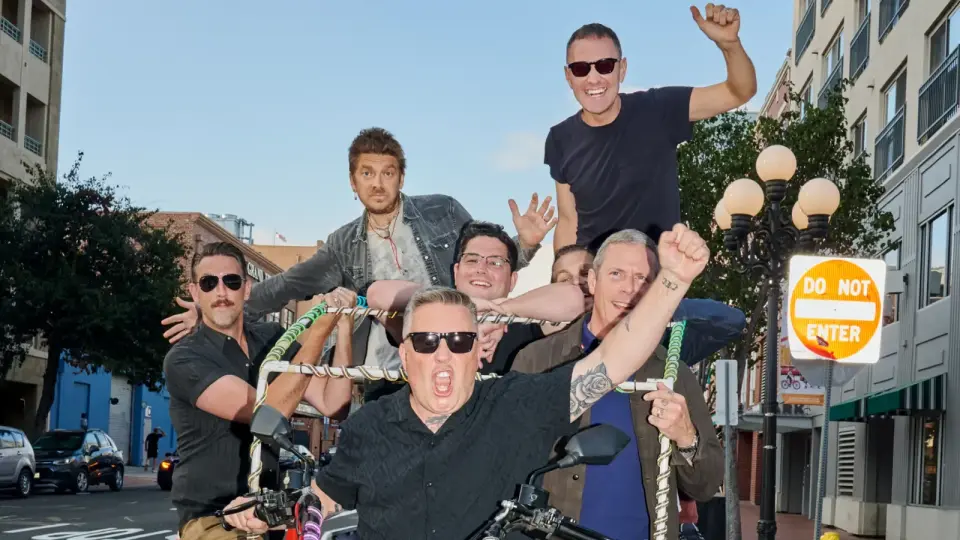
Dropkick Murphys frontman Ken Casey has evolved from a punk rocker into a prominent anti-Trump voice, leveraging his union background to criticize the wealth gap and support working-class rights. He recently performed at the International Brotherhood of Electrical Workers convention in San Diego, where he stayed on stage for nearly 30 minutes after the show to interact with fans. Casey’s outspoken stance, including viral confrontations with MAGA supporters and collaborations with figures like Bruce Springsteen, has solidified the band’s reputation as a political force. He also advocates for policies like capping concert ticket resale prices and supports addiction recovery through his charity, the Claddagh Fund.
Key points
- Ken Casey performed at the 41st annual convention of the International Brotherhood of Electrical Workers in San Diego, staying on stage for 29 minutes after the show to interact with union members.
- Casey criticized President Trump and the wealth gap during the performance, stating that the current administration undermines the rights of workers and their children.
- The band has become a vocal anti-Trump force, with Casey going viral for confronting MAGA supporters and calling the president a 'swindler.'
- Casey collaborated with Gov. Maura Healey to promote a bill capping concert ticket resale prices and was named Massachusetts Storyteller of the Year.
- The frontman launched the Claddagh Fund in 2009 to support addiction recovery and other charities, reflecting his personal history of sobriety.
- Dropkick Murphys formed in 1996 in Boston, blending Celtic music with punk rock, and have maintained a steady lineup for over 20 years.
Background
Dropkick Murphys, formed in 1996 in Boston, initially focused on union life and hard work but evolved into a more politically active band. The group gained mainstream recognition after Martin Scorsese used their song 'I’m Shipping Up to Boston' in the 2006 film The Departed. Casey’s personal history, including his grandfather’s union organizing and his own sobriety, has shaped the band’s values. The archive notes no direct connection to this story, but the band’s long-standing presence in punk and labor activism provides background for their current political stance.
Why it matters
Casey’s activism highlights the intersection of music, labor, and political dissent, offering a counter-narrative to mainstream media. His efforts to support unions and working-class rights resonate with a segment of the population feeling disenfranchised, while his confrontations with MAGA supporters illustrate the polarizing nature of current political discourse. The band’s use of music as a tool for social change underscores the potential for cultural figures to influence public opinion and policy.
What to watch
Casey is set to launch a podcast with Michael Fanone, a police officer assaulted on Jan. 6, 2021, and is considering starting his own radio show. The band will continue touring, with plans to release a cover of the Pogues’ 'Body of an American' in November. Casey’s advocacy for ticket price caps and addiction recovery will likely remain central to his public activities.
Want the full story? Read the original reporting
Read on Rolling Stone