
Min Jin Lee's 'American Hagwon' Examines Korean Education Costs and Diaspora
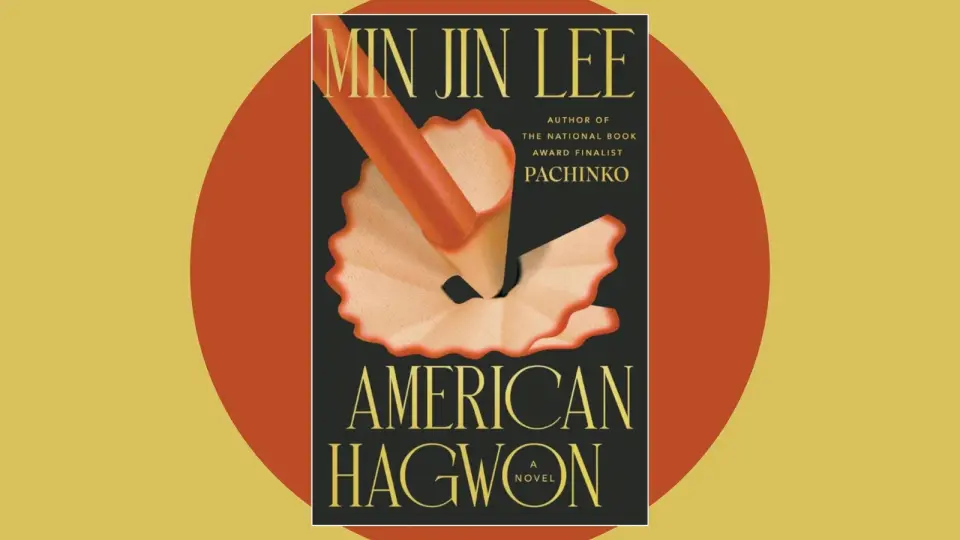
Min Jin Lee’s new novel, 'American Hagwon,' explores the financial and emotional toll of South Korea’s intensive tutoring culture on a family migrating across three continents. The book, part of her 'Diaspora Quartet,' contrasts the high stakes of education in the US and Korea with more accessible systems in Australia, reflecting on how economic uncertainty reshapes family strategies for status and survival.
Key points
- The novel follows the Koh family, including math prodigy John and pragmatic Helen, as they navigate education systems in Asia, Australia, and North America over 15 years.
- Lee highlights the 'hagwon' system, where 80% of South Korean children attend for-profit learning centers, often starting at age five, to prepare for elite schools and exams.
- The 1997 Asian financial crisis is a central backdrop, forcing families without generational wealth to make extreme sacrifices to maintain educational opportunities for their children.
- Lee contrasts the US and Korean systems with Australia’s HECS and TAFE models, noting that the US treats education as a commodity with high debt risks, while Australia offers a more sustainable path.
- The book is the third in Lee’s 'Diaspora Quartet,' following 'Pachinko' and 'Free Food for Millionaires,' with a fourth installment, 'The Marshall Plan,' currently in development.
Background
Min Jin Lee gained international fame with 'Pachinko,' which sold over two million copies in the US and was adapted into an Apple TV series. Her previous work, 'Free Food for Millionaires,' explored Korean American identity. The current release of 'American Hagwon' follows recent discussions about the 2026 National Book Awards, where visa issues barred two finalists from attending the ceremony, highlighting ongoing tensions in the literary world.
How outlets are covering it
TIME’s review emphasizes the novel’s comic and tragic registers, focusing on the social skirmishes of prestigious acceptances and questions of belonging. CBS News highlights Lee’s personal journey, including her liver diagnosis and her advocacy for Korean studies at Yale, framing the book as a 'social novel' that addresses modern conditions of economic and environmental diaspora. ABC News focuses on the economic data, noting that South Korea spent $29 billion on private education in 2022 and links hagwon culture to the country’s low fertility rate and high suicide rates among youth. While all sources agree on the book’s focus on education, TIME and CBS stress the personal and literary aspects, whereas ABC News emphasizes the systemic and economic consequences of the hagwon model.
Why it matters
The novel offers a critical lens on how education systems in the US, South Korea, and Australia shape individual lives and societal outcomes. It underscores the global trend of 'economic diaspora,' where families migrate or invest heavily in education to navigate shifting job markets and economic uncertainties. By comparing different national systems, the book invites readers to reconsider the value of education as a tool for liberation versus a commodity, especially in an era defined by AI and rapid technological change.
What to watch
Lee is currently researching her fourth and final novel in the 'Diaspora Quartet,' titled 'The Marshall Plan,' which will examine the Korean diaspora in Europe after World War II. The book is available in hardcover, large print, eBook, and audio formats through major retailers.
- 'American Hagwon' Is One of the 100 Must-Read Books of 2026 Time Magazine
- On 'Settle In,' Min Jin Lee and Amna Nawaz discuss the real stories behind her novels PBS
- Min Jin Lee on "American Hagwon" and writing "social novels" CBS News
- Why Pachinko author Min Jin Lee loves Australia's TAFE system ABC News & Headlines – Australian Broadcasting Corporation
- [K-LIT REVIEW] Life lessons from Min Jin Lee's 'American Hagwon' The Korea Times
Want the full story? Read the original reporting
Read on Time Magazine